Amid the West Asia crisis, PM Modi spoke with Iranian President Masoud Pezeshkian. India stated that the safety of its citizens and the uninterrupted supply of oil and gas are its top priorities.
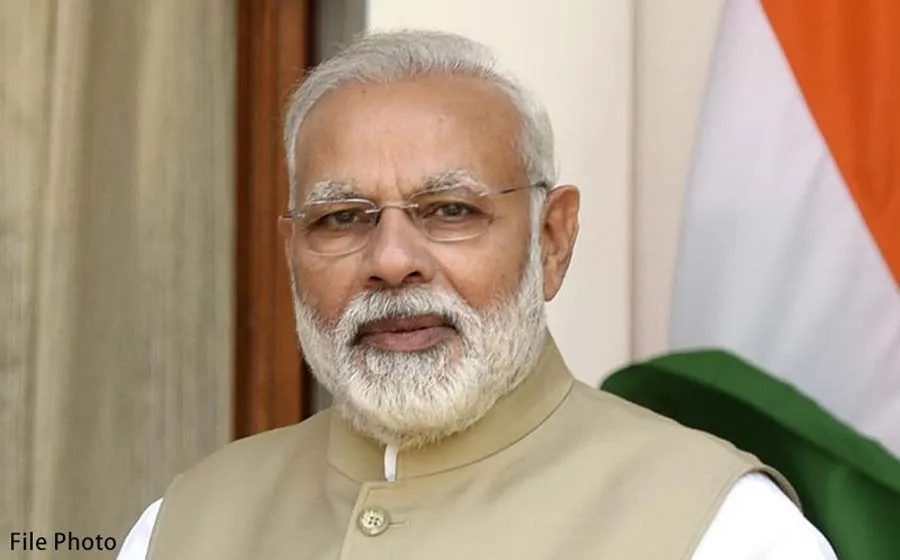
Amid the ongoing conflict in the Middle East, Prime Minister Narendra Modi held a crucial phone conversation with Iranian President Masoud Pezeshkian. This is considered the first direct talks between the two leaders during the current war-like situation. The aim of this conversation was to discuss the rapidly deteriorating security situation in the region, energy supply, and issues related to the safety of Indian citizens.
Following the conversation, Prime Minister Modi shared information on social media, stating that he discussed the serious circumstances in the region in detail with President Pezeshkian. He expressed deep concern over the rising tensions, civilian deaths, and damage to civilian infrastructure.
The Prime Minister also clarified that in the current circumstances, ensuring the safety of Indian citizens and an uninterrupted supply of oil and gas for the country is India’s highest priority.
India supports peace. Prime Minister Narendra Modi reiterated during this time that India has always been a supporter of peace and stability in the region. He emphasized that any kind of conflict should be resolved through dialogue and diplomatic efforts.
India has always supported resolving crises through dialogue and cooperation, and the same approach has been adopted this time as well. This conversation took place at a time when Iran has nearly closed the strategically crucial maritime route, the Strait of Hormuz.
This strait is considered extremely important for the world’s energy trade because approximately 20 percent of global crude oil and natural gas supply passes through this route. Restrictions on this route and increased military activities in the region have caused significant concern in the international energy market.
In addition to the global oil supply being severely affected, attacks by Iran on oil installations in Gulf countries and military actions by the US and Israel in Iran have made the situation even more serious.
Due to these events, the global oil supply has been affected, leading to a sharp increase in oil prices in many countries.
Prior to this, India’s External Affairs Minister S. Jaishankar had also spoken with his Iranian counterpart Abbas Araghchi regarding the situation.
According to media reports, following this dialogue, Iran has permitted the safe passage of Indian oil tankers through the Strait of Hormuz.