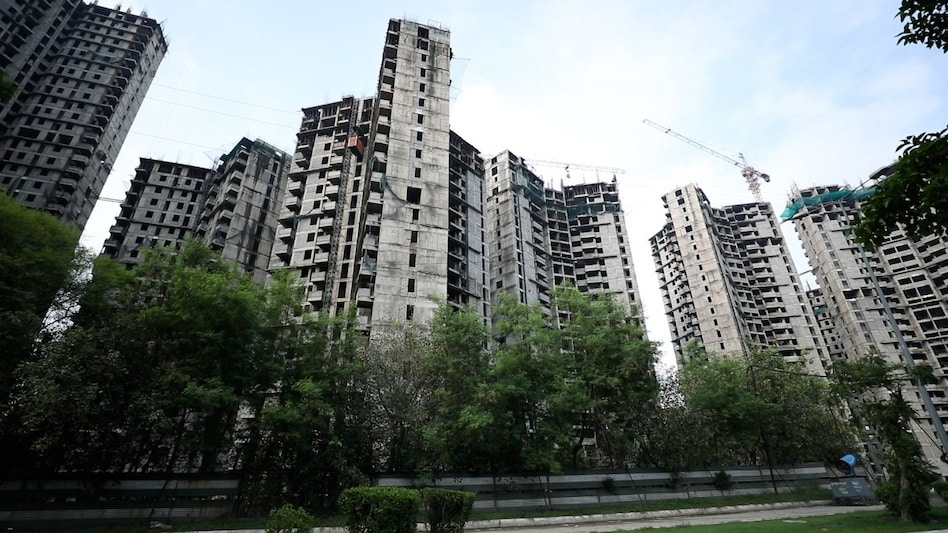
Experts say this surge in property prices is no longer confined to major cities like Delhi, Mumbai, or Bangalore. The main reasons are the spread of jobs to other cities, improved urban planning, and changing lifestyles, which are no longer centered solely around large metros.
Delhi
Delhi is India’s capital city, with a history spanning over two millennia, serving as the seat of several empires including the Delhi Sultanate and the Mughals. It is a major cultural and political hub, home to UNESCO World Heritage Sites like the Red Fort, Qutub Minar, and Humayun’s Tomb, which reflect its layered historical legacy. Today, it is a bustling metropolis blending ancient monuments with modern urban life.
Mumbai
Mumbai, formerly known as Bombay, is a major port city on India’s west coast and the financial capital of the country. Its modern history began in the 17th century when it was ceded to the British East India Company, evolving from a group of seven islands into a bustling metropolis through land reclamation projects. Today, it is a vibrant cultural hub known for the Bollywood film industry, colonial-era architecture like the Chhatrapati Shivaji Terminus, and iconic landmarks such as the Gateway of India.
Bangalore
Bangalore, officially known as Bengaluru, is the capital of India’s Karnataka state and a major technology hub often called the “Silicon Valley of India.” Historically, it was founded in the 16th century by Kempe Gowda I and later became an important British military station in the 19th century. Today, it blends its historic landmarks like the Bangalore Palace and Tipu Sultan’s Summer Palace with its modern identity as a cosmopolitan center for innovation and education.