-
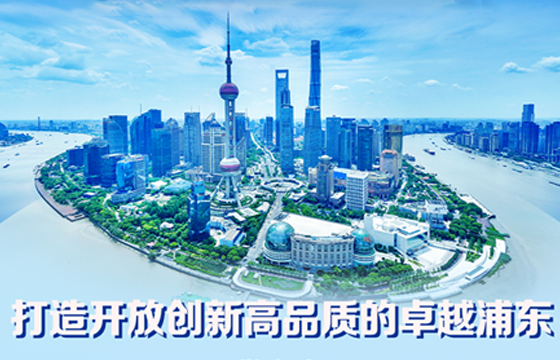
This year marks the 35th anniversary of Pudong’s development and opening-up, the fifth anniversary of the important speech delivered at the celebration of its 30th anniversary, and the final year of the 14th Five-Year Plan. Pudong’s development and opening-up is a cross-century national strategy. Through pioneering and experimental efforts, it has become a trailblazer in reform, opening-up, and innovation. Built on what was once farmland, it is now a modern new city with concentrated functions, comprehensive elements, and advanced facilities. In 2024, its regional GDP reached 1.78 trillion yuan, with a per capita GDP of 43,100 USD. Accounting for just 1/8000 of the nation’s land area, it contributes 1/76 of the national GDP and 1/17 of the total import and export volume of goods, providing the most vivid demonstration of the strengths of the socialist system with Chinese characteristics…
-
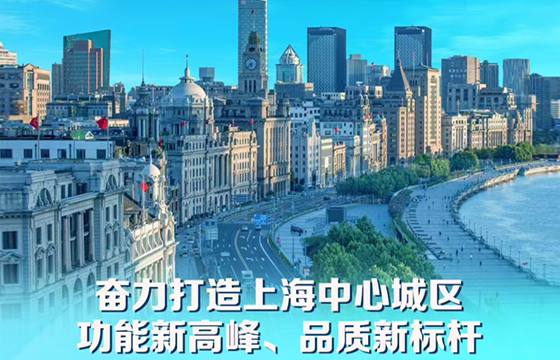
Huangpu District is the location of Shanghai’s economic, administrative, and cultural center. It has been positioned as the city’s “heart, window, and name card.” Since the start of the 14th Five-Year Plan period, focusing on building a core leading district and the development theme of “new peaks in function and new benchmarks in quality,” the district has fully promoted high-quality development, the creation of a high-quality life, and efficient governance, steadily enhancing its urban development capacity and comprehensive competitiveness. By the end of 2024, Huangpu’s regional GDP reached 334.4 billion yuan, with an average annual comparable growth of about 4.5% in the first four years of the 14th Five-Year Plan period. Its economic density reached 16.3 billion yuan per square kilometer, ranking first in the city and among the top nationally. District-level general public budget revenue reached 29.9 billion yuan, with an average annual growth of over 6%…
-
-
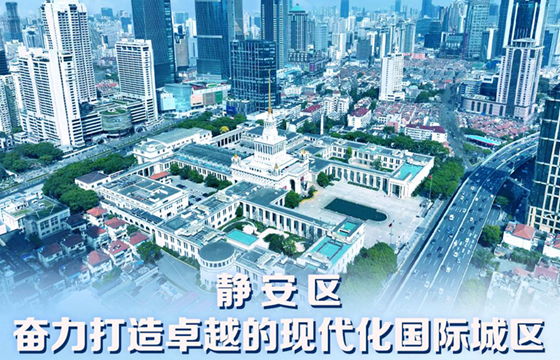
As a core area of Shanghai’s central city, Jing’an District has a high degree of internationalization, a concentration of high-end factors, a developed service economy, and has long been at the forefront of the city’s regional economic and social development. The 14th Five-Year Plan period has been an extraordinary five years in Jing’an’s development. In accordance with the requirements, and focusing on the goal of “accelerating the construction of an excellent modern international district,” the district has coordinated the advancement of high-quality development, high-level reform and opening-up, a high-quality life, and efficient governance, striving to create a district-level model of Chinese modernization…
-
-
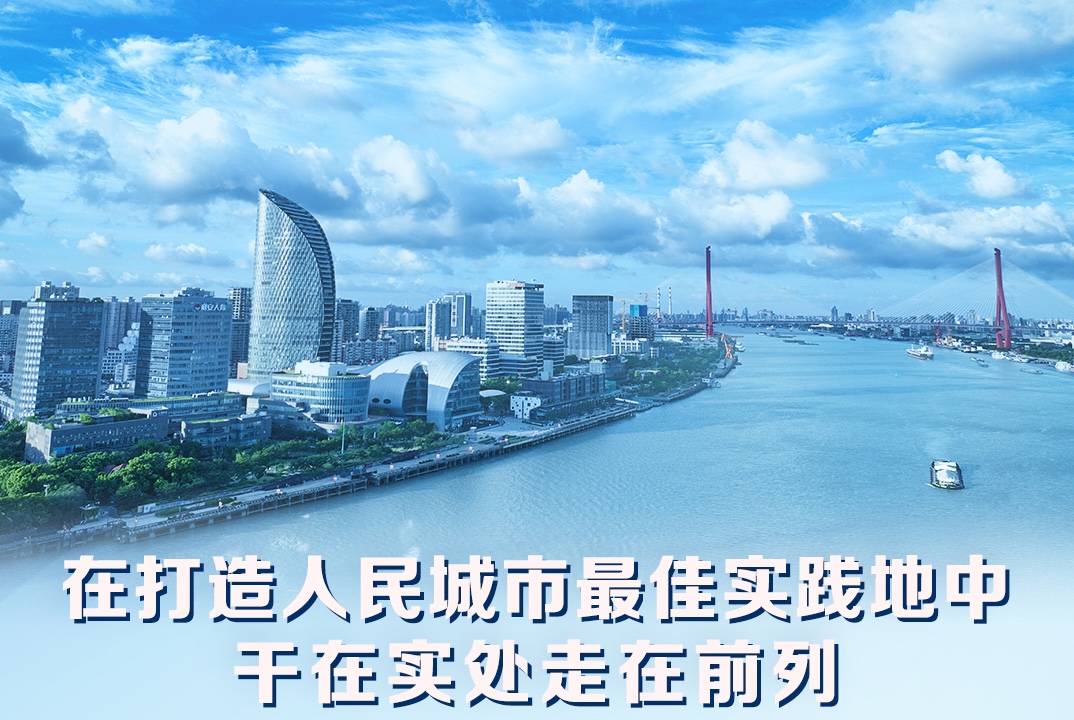
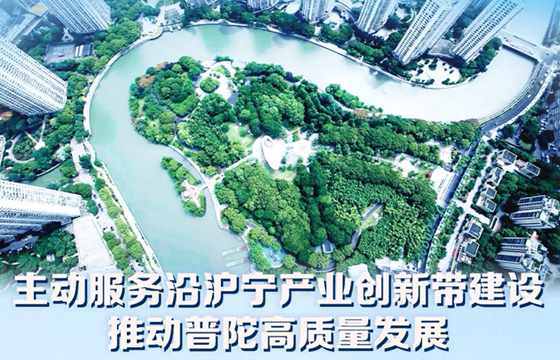
Placing a livable and secure living environment as the top priority. Efforts to intensify urban renewal and accelerate the pace of relocation and renovation have continued. Three goals were achieved and three levels were ascended within five years: the renovation of substandard old housing below the second category was fully completed in 2022; the task of renovating ‘small beam thin slab’ housing was concluded in 2024; and this year, the era of “carrying chamber pots” has been relegated to history. Over these five years, a total of 421,000 square meters of old housing has been relocated and renovated, fulfilling the “dream of a livable and secure home” for over 20,000 households. At the same time, concepts such as heritage preservation, all-age friendliness, a park city, and resilient safety have been integrated into urban renewal, jointly promoting the construction of beautiful homes, beautiful blocks, and 15-minute community living circles, striving to allow the people of Yangpu to enjoy the
Pudong
Pudong is a district in Shanghai, China, situated east of the Huangpu River. Once largely agricultural land, it was designated as a special economic zone in the 1990s and rapidly transformed into a global financial hub, symbolized by its iconic skyline featuring the Oriental Pearl Tower and Shanghai Tower.Huangpu District
Huangpu District is the historic and administrative heart of Shanghai, China, encompassing the iconic waterfront area known as The Bund. Its history dates to Shanghai’s origins as a fishing village, but it grew dramatically in the late 19th and early 20th centuries as the center of foreign concessions and international trade. Today, it is a major financial and commercial hub, where colonial-era architecture stands alongside modern skyscrapers, symbolizing Shanghai’s past and future.Jing’an District
Jing’an District is a central urban district of Shanghai, China, known for its modern skyline and bustling commercial centers. Historically, the area takes its name from the ancient Jing’an Temple, a Buddhist temple originally built in 247 AD, though the present structures date from later reconstructions. Today, it is a major hub blending historic cultural sites with contemporary finance, shopping, and entertainment.Yangpu
Yangpu is a district in northeastern Shanghai, historically known as an early industrial hub and the site of China’s first modern waterworks. It is now a major center for education and innovation, home to prestigious universities like Fudan University and Tongji University, and features revitalized waterfront areas along the Huangpu River.