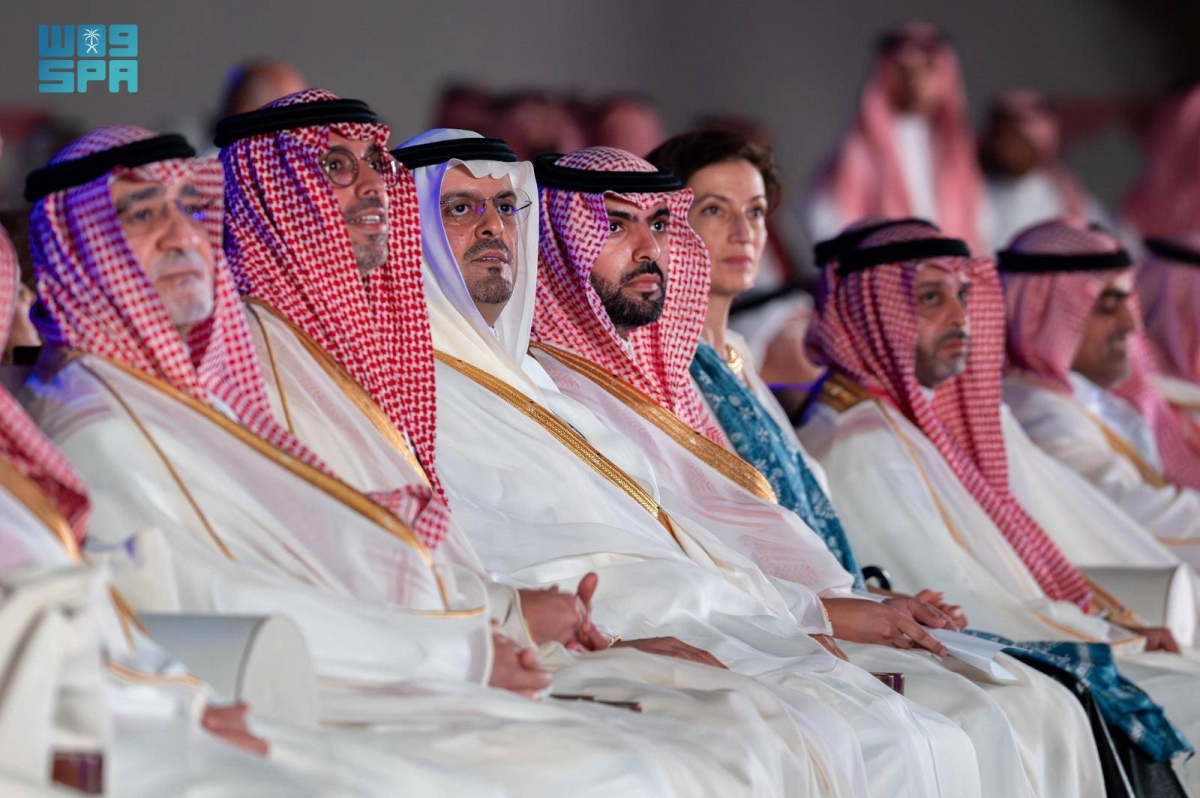
In the presence of Prince Saud bin Mishal bin Abdulaziz, Deputy Governor of the Makkah Region, and Prince Badr bin Abdullah bin Farhan, Minister of Culture and Chairman of the Board of the Museums Commission, the Museums Commission inaugurated the Red Sea Museum in the historic Bab Al Bunt building. This opening is part of the revitalization of Historic Jeddah, a UNESCO World Heritage site, establishing it as a global museum dedicated to documenting the tangible, intangible, and natural heritage of the Red Sea. The event was attended by a number of officials and individuals interested in cultural, artistic, and media affairs.
The festivities began with guided tours for guests through the museum’s permanent halls, alongside the opening of the first temporary exhibition titled “Gateway of Gateways” by Saudi artist Moath Alofi. The events culminated with a special performance by the “Silk Road” ensemble, playing pieces inspired by the musical diversity of the Red Sea region.
In his speech, the Minister of Culture emphasized that the Red Sea Museum opens a vast space for creativity and provides a comprehensive cultural platform that promotes dialogue between civilizations and cultural and intellectual exchange. It reflects the Kingdom’s commitment and vision to preserve its cultural and natural heritage, forming part of an ambitious journey to revitalize Historic Jeddah with unlimited support from the wise leadership, to build a rich cultural future where various types of culture and arts flourish.
The museum is located within the historic Bab Al Bunt building at the meeting point of land and sea. It has been restored according to the highest standards of environmental sustainability in heritage building restoration, as part of the Quality of Life Program initiatives to achieve the goals of the Kingdom’s Vision 2030. This aims to advance the infrastructure of cultural sectors, enhance their sustainable urban presence, preserve the architectural spirit of the Bab Al Bunt building, and restore its role as a gateway to the world from a century ago. Today, it returns as a cultural landmark connecting the past to the present, highlighting Historic Jeddah as a bridge between cultures on the shores of the Red Sea.
The Red Sea Museum offers a comprehensive cultural experience through more than 1,000 artifacts and artworks distributed across seven main themes within 23 exhibition halls. These exhibits embody the journey of civilizational and human interaction on the shores of the Red Sea from ancient times to the present day. The displays include navigational tools, Chinese ceramics, manuscripts, rare photographs, alongside contemporary artworks by artists from Saudi Arabia, the region, and the world.
The Acting CEO of the Museums Commission stated that the Red Sea Museum embodies the Ministry of Culture’s commitment to developing museums of global standing in the Kingdom. This is achieved through an approach based on specialized exhibitions, scientific research, and diverse cultural programs, making it a beacon for knowledge, creativity, and cultural exchange, reflecting the growing role of Saudi cultural institutions on the global scene.
The inauguration of the Red Sea Museum conveys the message of Historic Jeddah to the Ministry of Culture regarding reviving national heritage in a sustainable manner and developing the cultural economy. The program was established with the aim of managing and developing Historic Jeddah and preserving its tangible and intangible heritage.
The Red Sea Museum is one of the key projects within this urban revitalization and a symbol of the potential for integration in heritage preservation and contemporary cultural innovation.