

35 Nam Ky Khoi Nghia Street
35 Nam Ky Khoi Nghia Street in Ho Chi Minh City, Vietnam, is a historic address known for housing the War Remnants Museum. Originally established in 1975, the museum is housed in a former U.S. Information Service building and documents the impacts of the Vietnam War, including the effects of Agent Orange and war crimes. It has become a major cultural site, drawing millions of visitors to reflect on the war’s history and promote peace.
Ben Thanh Ward
Ben Thanh Ward is a central district in Ho Chi Minh City, Vietnam, named after the iconic Ben Thanh Market, which has been a bustling commercial hub since the early 20th century during the French colonial period. The ward itself is historically significant as it was part of the original Saigon city center, serving as a key area for trade, culture, and transportation. Today, it remains a vibrant destination for both locals and tourists, blending colonial-era architecture with modern urban life.
Ho Chi Minh City
Ho Chi Minh City, formerly known as Saigon, is Vietnam’s largest city and economic hub. Originally a small fishing village, it grew into a major port under French colonial rule in the 19th century and later became the capital of South Vietnam during the Vietnam War. Today, it is a vibrant metropolis blending historic French colonial architecture with modern skyscrapers, reflecting its dynamic history and rapid development.
35 Nam Ky Khoi Nghia Street
35 Nam Ky Khoi Nghia Street is a notable address in Ho Chi Minh City, Vietnam, historically linked to the city’s colonial and wartime past. The street itself is named after the 1860 uprising against French colonial rule in southern Vietnam, known as the Nam Ky Khoi Nghia. Today, the area is a bustling part of District 1, home to significant landmarks like the Reunification Palace and the Notre-Dame Cathedral, reflecting the city’s blend of history and modernity.
War Remnants Museum
The War Remnants Museum in Ho Chi Minh City, Vietnam, is a poignant museum that documents the devastating impacts of the Vietnam War (known locally as the American War). Originally opened in 1975, it houses extensive exhibits of wartime photography, military equipment, and Agent Orange-related artifacts, offering a powerful Vietnamese perspective on the conflict. The museum serves as a stark reminder of the horrors of war and a call for peace.
U.S. Information Service building
The U.S. Information Service (USIS) building was a key diplomatic and cultural outpost of the United States during the Cold War, often housing libraries, exhibition spaces, and English-language programs to promote American values and counter Soviet influence. These facilities, managed by the U.S. Information Agency (USIA), were established in major cities worldwide, with notable examples like the one in Taipei, which operated from the 1950s until the late 1970s before closing after the U.S. shifted diplomatic recognition to the People’s Republic of China. Today, many former USIS buildings have been rep
35 Nam Ky Khoi Nghia Street
35 Nam Ky Khoi Nghia Street in Ho Chi Minh City, Vietnam, is the address of the War Remnants Museum, a major cultural and historical site. The museum was originally opened in 1975 as the “Exhibition House for US and Puppet Crimes,” and later renamed in 1995 to focus on the devastating impacts of the Vietnam War. It houses extensive exhibits, including photographs, military equipment, and artifacts, offering a poignant perspective on the war’s history and consequences.
War Remnants Museum
The War Remnants Museum in Ho Chi Minh City, Vietnam, is a poignant museum documenting the devastating impacts of the Vietnam War (known locally as the American War) and other French and American conflicts in Indochina. Originally opened in 1975, its extensive exhibits include photographs, military equipment, and personal accounts that highlight the human cost and suffering caused by war, particularly the effects of Agent Orange and unexploded ordnance. The museum serves as a powerful reminder of the horrors of conflict and a call for peace.
Ben Thanh Market
Ben Thanh Market is a bustling landmark in the heart of Ho Chi Minh City, Vietnam, with a history dating back to the early 20th century during French colonial rule. Originally constructed as a simple market in 1912, it was rebuilt in 1914 after a fire, becoming a central hub for trade and culture. Today, it remains a vibrant symbol of the city, offering a wide array of local goods, food, and souvenirs.
Ben Thanh Ward
Ben Thanh Ward is a central district in Ho Chi Minh City, Vietnam, named after the iconic Ben Thanh Market, which has been a bustling commercial hub since the early 20th century during French colonial rule. The area is historically significant as a key trading center and a symbol of the city’s economic and cultural life. Today, it remains a vibrant destination for locals and tourists, blending historic architecture with modern urban energy.
Ho Chi Minh City
Ho Chi Minh City, formerly known as Saigon, is the largest city in Vietnam and a major economic and cultural hub. Its history dates back to the 17th century as a small fishing village, but it grew significantly under French colonial rule, becoming the capital of French Indochina. The city played a pivotal role in the Vietnam War, and after the war ended in 1975, it was renamed Ho Chi Minh City, though many locals still refer to it as Saigon.
Reunification Palace
The Reunification Palace, located in Ho Chi Minh City, Vietnam, is a historic landmark symbolizing the end of the Vietnam War. It was originally built in the 1960s as the home and workplace of the President of South Vietnam. On April 30, 1975, a North Vietnamese tank crashed through its gates, marking the fall of Saigon and the reunification of the country.
Notre-Dame Cathedral
Notre-Dame Cathedral is a historic Catholic cathedral located on the Île de la Cité in Paris, France. Construction began in 1163 during the reign of King Louis VII and was largely completed by 1345, showcasing French Gothic architecture with its iconic flying buttresses, rose windows, and spire. The cathedral survived centuries of history, including the French Revolution, but suffered a devastating fire in April 2019; restoration efforts are underway to reopen it by December 2024.
U.S. Information Service building
The U.S. Information Service (USIS) building was part of a network of American diplomatic facilities established during the Cold War to promote U.S. culture, policies, and values abroad through libraries, cultural events, and educational exchanges. These buildings often served as symbols of American soft power, housing public libraries and hosting lectures and exhibitions. Today, many former USIS sites have been repurposed or closed, but they remain historically significant as key instruments of U.S. public diplomacy in the mid-20th century.
Related news

U.S. Says Deal with Iran Possible in Next Day or Two; Oil Prices Plunge Nearly 10%
Trump: Peace Deal with Iran Could Be Reached in th...
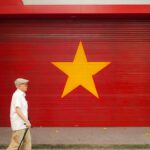
Vietnam wants to be the next Asian tiger and is overhauling its economy to make it happen.
Vietnam is launching its biggest economic overhaul...
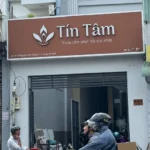
Healthcare facility for stroke prevention suspended for 18 months after investigation.
The Tin Tam therapy center in Ho Chi Minh City - w...
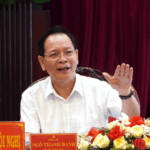
The Dak Nong Provincial Party Secretary asserts that his daughter is not being positioned for a commune leadership role.
In response to public speculation that his daughte...
Land, Forests, and the ‘Green Gold’ of Carbon Credits
In the context of increasingly severe climate chan...