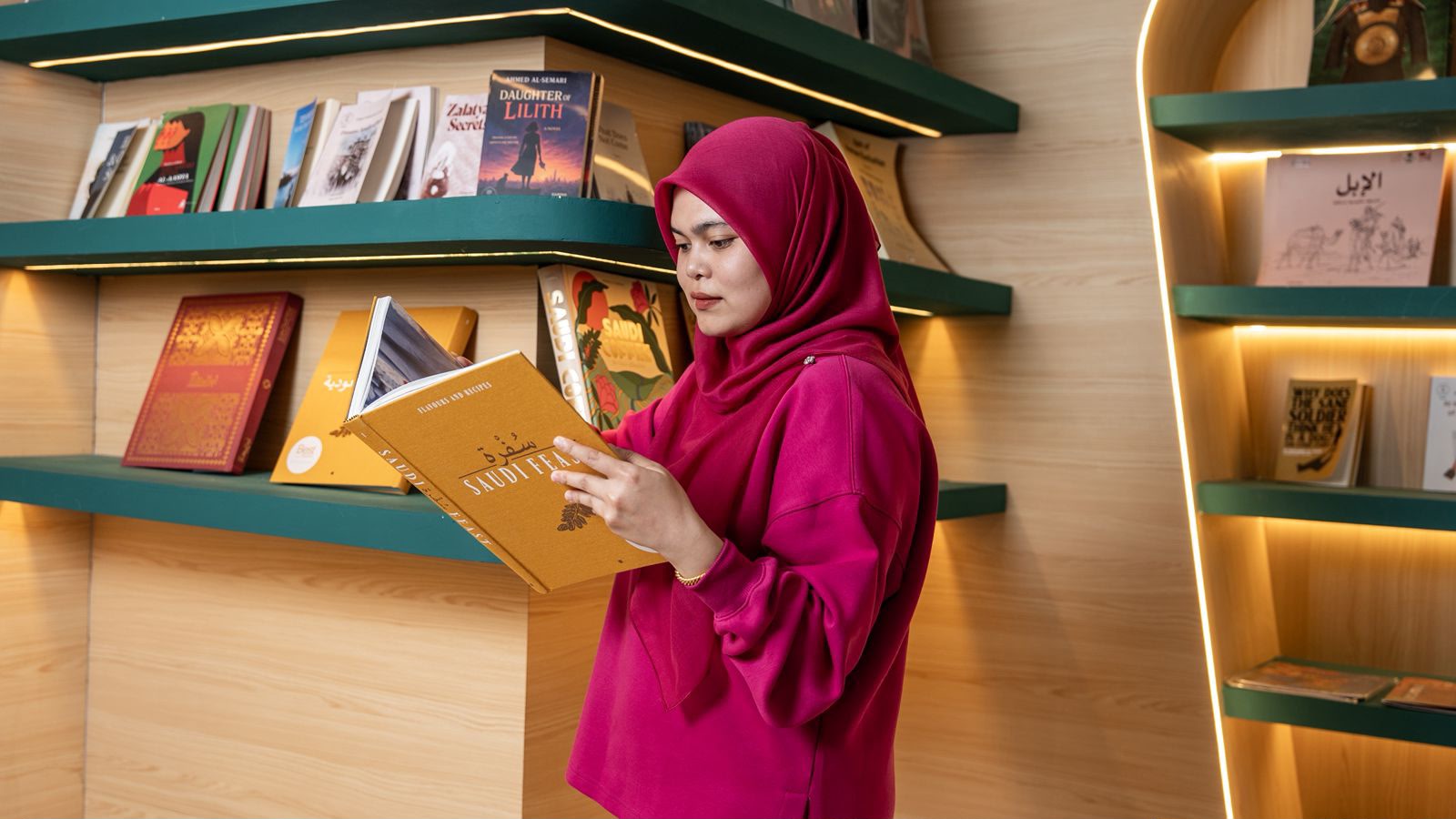
The Culinary Arts Commission is participating in the Saudi Arabia pavilion at the 2026 Kuala Lumpur International Book Fair with a collection of publications that document Saudi food heritage and highlight local culinary arts as part of the Kingdom’s cultural identity.
Leading the publications is the book “The Saudi Table,” released by the “Our Kitchen Heritage” initiative, which documents cooking traditions in the Kingdom’s thirteen regions. In 2024, it won the Gourmand World Award in the categories of “Best Hospitality Book” and “Best Arabic Cookbook.”
The corner also features the book “Buraydah,” which presents the food and cultural heritage of the Qassim region, including its distinctive popular dishes tied to the agricultural environment and traditional markets. It also discusses the city’s journey toward being recognized as a UNESCO Creative City of Gastronomy, making it the first Gulf city and the second Arab city to join the Creative Cities Network in this field.
Through its participation, the Commission aims to introduce fair visitors to its efforts in documenting traditional Saudi recipes, empowering chefs and artisans, and preserving national food heritage as an element of intangible cultural heritage.
Saudi Arabia pavilion
The Saudi Arabia Pavilion at Expo 2020 Dubai showcased the Kingdom’s rich heritage and ambitious future, featuring a striking mirrored facade and interactive exhibits. It highlighted Saudi history from ancient trade routes to the modern Vision 2030 initiative, emphasizing cultural preservation and technological innovation. The pavilion also served as a gateway to explore the country’s natural landscapes, from the Red Sea to the Empty Quarter desert.
Kuala Lumpur International Book Fair
The Kuala Lumpur International Book Fair (PBAKL) is Malaysia’s largest and longest-running book event, first held in 1982. Organized by the National Book Council of Malaysia, it takes place annually at the World Trade Centre Kuala Lumpur, attracting hundreds of publishers and thousands of visitors. The fair promotes reading culture and showcases a wide range of books, including Malay, English, and Chinese titles, alongside cultural performances and author meet-and-greets.
Buraydah
Buraydah is the capital of the Al-Qassim Province in central Saudi Arabia, known as a major agricultural hub. Historically, it has been a key trading and cultural center for the Najd region, particularly famous for its annual date festival and traditional mud-brick architecture. Today, it blends its rich heritage with modern development, serving as a commercial and administrative focal point.
Qassim region
The Qassim region, located in central Saudi Arabia, is historically known as a major agricultural and trade hub, particularly famous for its vast date palm farms and production of high-quality dates. Its capital, Buraydah, has long served as a key stop along ancient caravan routes connecting the Arabian Peninsula’s interior to the Gulf and Levant. Today, Qassim blends its deep-rooted Bedouin and agricultural heritage with modern development, hosting the annual Buraydah Date Festival, one of the world’s largest date markets.
UNESCO Creative City of Gastronomy
The UNESCO Creative City of Gastronomy is a designation awarded to cities recognized for their vibrant culinary traditions and commitment to sustainable food practices. This title, part of the UNESCO Creative Cities Network launched in 2004, highlights cities like Parma (Italy), Tucson (USA), and San Antonio (USA) for their unique food heritage and efforts to promote gastronomy as a driver of cultural and economic development. Each city leverages its local cuisine, history, and innovation to foster community engagement and global cultural exchange.
Creative Cities Network
The Creative Cities Network was launched by UNESCO in 2004 to promote international cooperation among cities that have identified creativity as a strategic factor for sustainable urban development. The network covers seven creative fields: Crafts and Folk Arts, Media Arts, Film, Design, Gastronomy, Literature, and Music. By sharing best practices and fostering partnerships, it aims to enhance cultural diversity and economic growth while aligning with UNESCO’s global priorities.