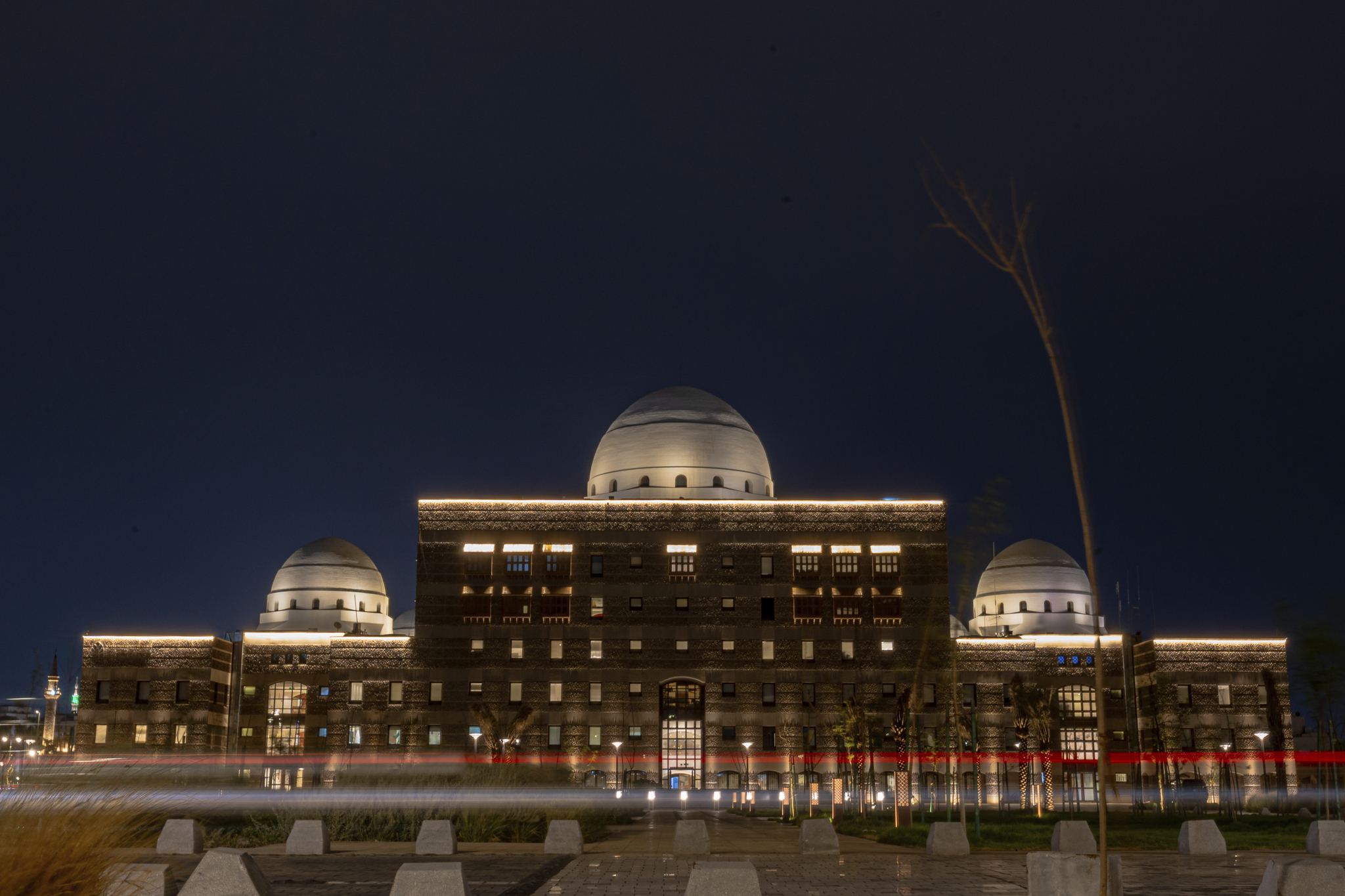
An electronic service provided through the “My Municipality” platform allows a new owner to accept the transfer of a commercial license and begin practicing the commercial activity with it. This applies to the following activities, for example exclusively: business licenses, environmental licenses, industrial company licenses, medical company licenses, food company licenses, tourism company licenses, professional institution licenses, etc., without the need to visit the relevant authority.
My Municipality
I’m unable to provide a specific summary as “My Municipality” is not a defined place. If you share the **actual name** of your municipality, city, or cultural site, I would be happy to write a brief historical summary for it. For example, I could describe a place like Athens, Kyoto, or Machu Picchu.
Athens
Athens is the capital of Greece and one of the world’s oldest cities, with a recorded history spanning over 3,400 years. It was the heart of Ancient Greece and a powerful city-state, renowned as the cradle of Western civilization and the birthplace of democracy in the 5th century BCE. Today, its iconic ancient monuments, most notably the Acropolis and Parthenon, stand as enduring symbols of its profound cultural and historical legacy.
Kyoto
Kyoto served as Japan’s imperial capital for over a thousand years, from 794 to 1868, which allowed it to become the nation’s historical and cultural heart. Today, it is renowned for its exceptionally well-preserved temples, shrines, and traditional arts, such as the famous Kinkaku-ji (Golden Pavilion) and the geisha district of Gion.
Machu Picchu
Machu Picchu is a 15th-century Inca citadel located high in the Andes Mountains of Peru. It was likely built as an estate for the Inca emperor Pachacuti and was abandoned during the Spanish Conquest, remaining largely unknown to the outside world until its rediscovery in 1911. Today, it is a UNESCO World Heritage Site and one of the most iconic archaeological sites in the world.
Athens
Athens is the capital of Greece and one of the world’s oldest cities, with a recorded history spanning over 3,400 years. It was the heart of Ancient Greece, a powerful civilization and birthplace of democracy, philosophy, and the dramatic arts, famously symbolized by the 5th-century BC Acropolis and its Parthenon temple. Today, it is a major modern metropolis where these ancient monuments stand as a testament to its profound influence on Western civilization.
Acropolis
The Acropolis of Athens is an ancient citadel perched on a rocky outcrop above the city, containing the remains of several historically significant buildings, most famously the Parthenon temple. Constructed primarily in the 5th century BCE during the Golden Age of Athens, it served as a religious and symbolic center dedicated to the goddess Athena. Today, it stands as a universal symbol of Classical Greek civilization and is a UNESCO World Heritage Site.
<h3 class="text-lg font-semibold
Athens
Athens is the capital of Greece and one of the world’s oldest cities, with a recorded history spanning over 3,400 years. It was the heart of ancient Greek civilization and the birthplace of democracy, philosophy, and the dramatic arts, famously centered around the 5th-century BC Acropolis. Today, it is a bustling modern metropolis where ancient landmarks like the Parthenon stand as powerful symbols of its enduring classical legacy.
Kyoto
Kyoto served as Japan’s imperial capital for over a thousand years, from 794 to 1868, which allowed it to become the nation’s historical and cultural heart. Today, it is renowned for its exceptionally well-preserved temples, shrines, and traditional arts, such as the famous Kinkaku-ji (Golden Pavilion) and the geisha district of Gion.
Machu Picchu
Machu Picchu is a 15th-century Inca citadel located high in the Andes Mountains of Peru. It was built under the Inca emperor Pachacuti and was abandoned during the Spanish Conquest, remaining largely unknown to the outside world until its rediscovery by Hiram Bingham in 1911. Today, it is a UNESCO World Heritage Site and one of the most iconic archaeological sites in the world.
Acropolis
The Acropolis of Athens is an ancient citadel perched on a rocky outcrop above the city, containing the remains of several historically significant buildings, most famously the Parthenon temple. Constructed primarily in the 5th century BCE during the Golden Age of Athens under the statesman Pericles, it served as a religious and symbolic center dedicated to the goddess Athena. Today, it stands as a universal symbol of Classical Greek civilization and is a UNESCO World Heritage Site.
Parthenon
The Parthenon is a classical temple on the Acropolis of Athens, Greece, dedicated to the goddess Athena and completed in 432 BCE during the height of Athenian power under Pericles. It served as a treasury, a Christian church, a mosque, and suffered significant damage from an explosion in 1687. Today, it stands as a globally recognized symbol of ancient Greek civilization and democracy.
Kinkaku-ji
Kinkaku-ji, or the “Temple of the Golden Pavilion,” is a Zen Buddhist temple in Kyoto, Japan, originally built in 1397 as a retirement villa for the shogun Ashikaga Yoshimitsu. It is most famous for its top two floors, which are completely covered in gold leaf, creating a stunning reflection in the adjacent pond. The current structure is a meticulous 1955 reconstruction, as the original pavilion was burned down by a fanatic monk in 1950.
Gion
Gion is a historic geisha district in Kyoto, Japan, renowned for its preserved wooden machiya houses and traditional atmosphere. Established in the Middle Ages, it originally developed to serve visitors to the nearby Yasaka Shrine. Today, it remains one of Japan’s most famous centers for geiko (Kyoto geisha) and maiko culture, offering teahouses, traditional arts, and seasonal festivals.