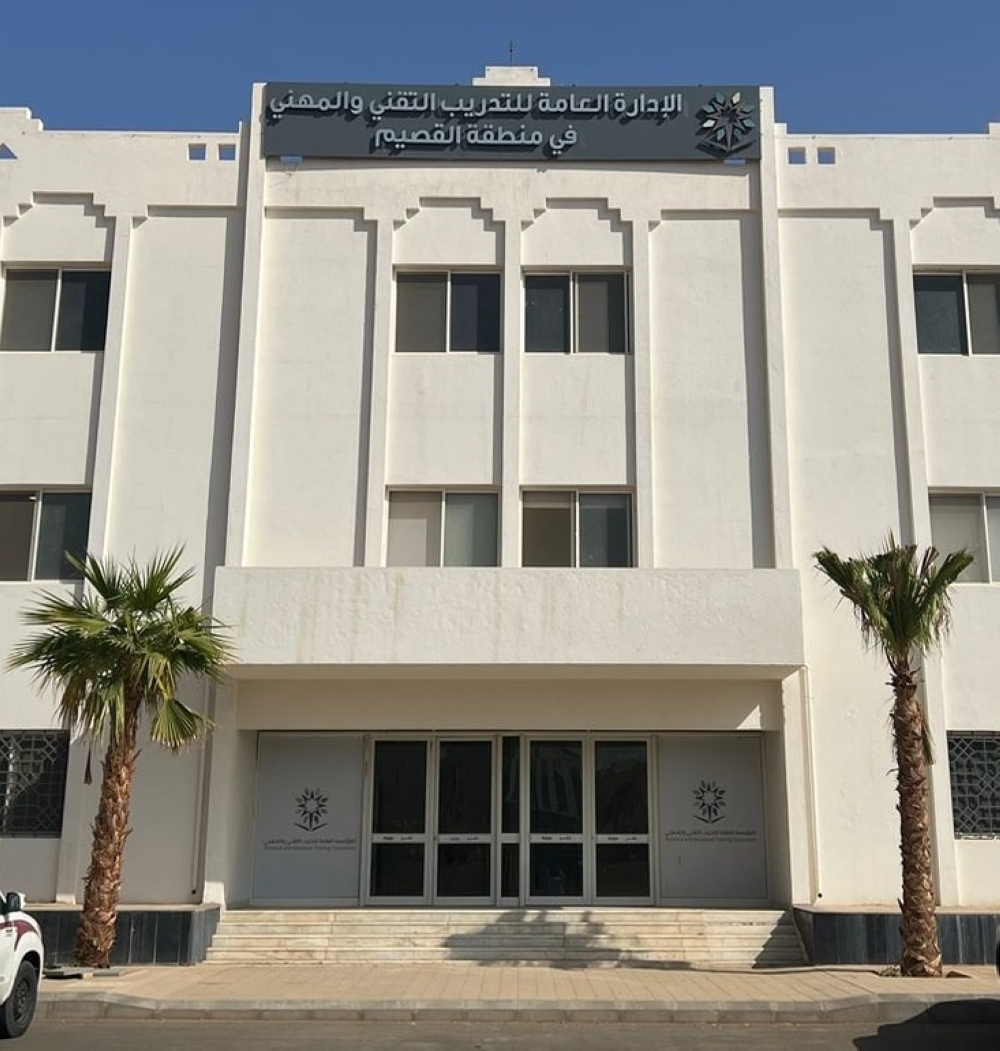
The General Administration for Technical and Vocational Training in the Qassim region announced the adoption of remote training and the suspension of in-person training at technical colleges and institutes in the region today, Thursday, for all male and female trainees and employees in training facilities.
It stated that this decision is based on reports from the National Center for Meteorology and due to the weather fluctuations in the Qassim region.
Qassim University and its schools
The Education Administration in the Qassim region announced the conversion of in-person study to “remote” study on Thursday via the “Madrasati” platform and approved educational platforms for all male and female students and school employees, both teaching and administrative staff, in the Qassim region and its affiliated governorates.
This decision is based on reports received from the National Center for Meteorology and out of concern for everyone’s safety.
Qassim University also announced the conversion of in-person study to “remote” study on Thursday for all male and female students of Qassim University at all university campuses.