Filtered by: Lifestyle
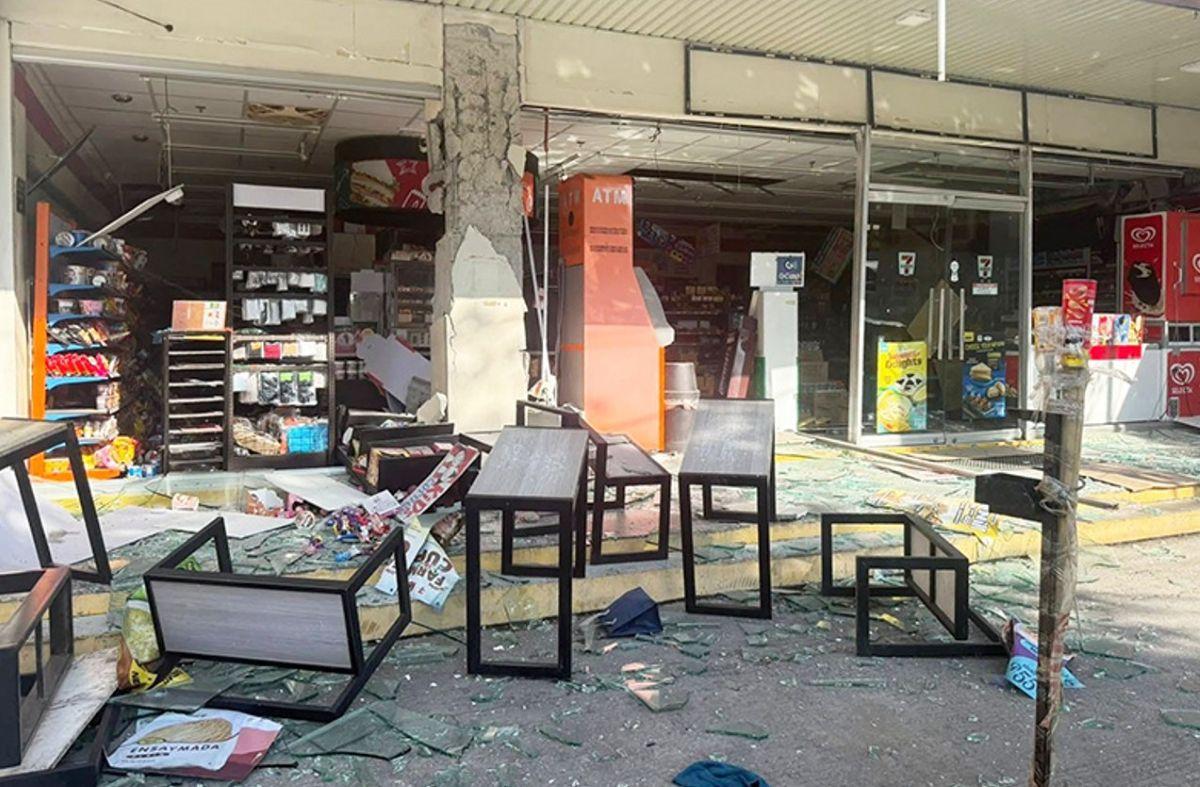
Over 17,000 families or 77,000 individuals in Mindanao have been affected following the magnitude 7.8 earthquake that struck offshore Sarangani on Monday.
The reported death toll from the earthquake was announced on Tuesday.
For those who wish to help affected communities, several organizations are accepting monetary and in-kind donations.
GMA Kapuso Foundation
The GMA Kapuso Foundation is accepting monetary donations to help purchase relief goods for earthquake victims.
Donations may be sent through Metrobank, Land Bank, BDO, Bank of Commerce, UnionBank, PNB, Cebuana Lhuillier, GCash, Lazada, and Shopee.
Visit the GMA Kapuso Foundation for donation details.
Palm Grill x Cabel
Community initiative Palm Grill x Cabel is accepting rice, canned goods, and over-the-counter medicines until June 15.
Donations may be dropped off at the Palm Grill Tomas Morato branch from 12 p.m. to 9 p.m. and will be forwarded to the Congressional Office of the Lone District of General Santos City for distribution.
Tulong Lasalyano
The De La Salle Brothers Inc., in partnership with the Diocese of Marbel–Social Action Center, launched Operation Uplift to provide immediate aid and recovery assistance to communities affected by the earthquake.
Donors may contribute through the campaign’s posted QR code.
Tabang Ta Bai
Tabang Ta Bai, together with Youth Service Philippines and its National Youth Volunteers Summit network, is raising funds for relief and recovery efforts across affected areas in Mindanao.
Donations will support emergency food, clean water, temporary shelter, and livelihood recovery initiatives.
Monetary donations are accepted until June 20 through:
GoTyme Bank
- Account Name: Lea Grazielle Z. Batuhinay
- Account Number: 019901667801
Rotaract Club of Cebu
The Rotaract Club of Cebu, through the RotaAct Initiative, provides relief and support to communities affected by the Mindanao earthquake.
The group is accepting monetary donations for its relief efforts through the following channels:
GCash
- Account Name: Hazel Dolorito
- Account Number: 09973387073
PNB
- Account Name: Catherine Girlie Lumaghan
- Account Number: 303010060010