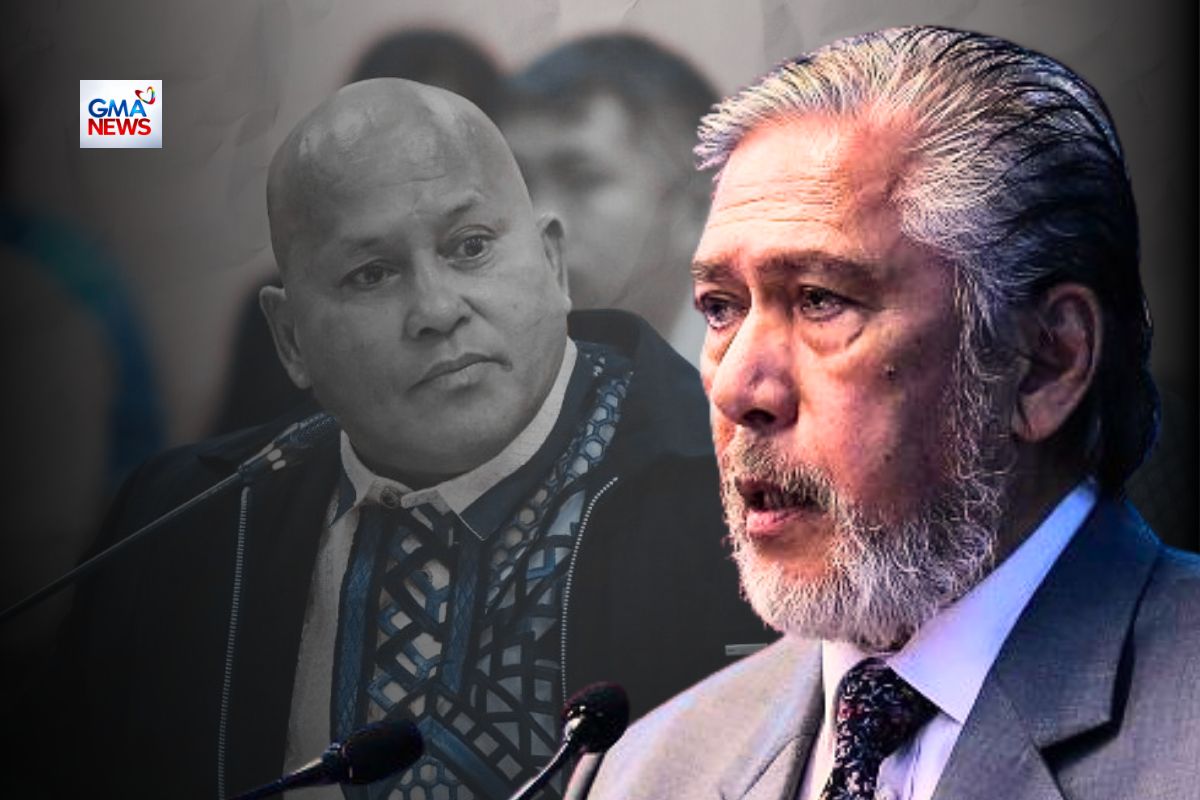
Senate President Vicente “Tito” Sotto III on Thursday advised Senator Ronald “Bato” dela Rosa to heed the call and voluntarily give up his salary and allowances “as soon as possible” amid his prolonged absence in the upper chamber.
Sotto reiterated his suggestion to the senator—who has not been seen in the Senate for over five months now—following the similar appeal made by Ethics committee chair Senator JV Ejercito on Tuesday.
“It’s best he do it [as soon as possible] to save the Ethics Committee from deciding for him,” the Senate President said.
“I suggested that to the daughter, his Chief of Staff, a couple of months ago. No response,” he added.
Ejercito said Wednesday that should dela Rosa refrain from receiving his salary and allowances, it may be a ground for dismissing the ethics complaint filed against him.
Dela Rosa has not made any public appearance and has not attended any session at the Senate since November 2025, amid claims that the International Criminal Court (ICC) issued a warrant of arrest against him over his links to the controversial war on drugs.
It was civil society group “Wag Kang KuCorrupt” who filed the complaint against the absentee senator in February 2026, urging the Senate committee to conduct a formal inquiry into the matter, determine whether there has been a violation of Senate rules and ethical standards, and impose appropriate sanctions if warranted.