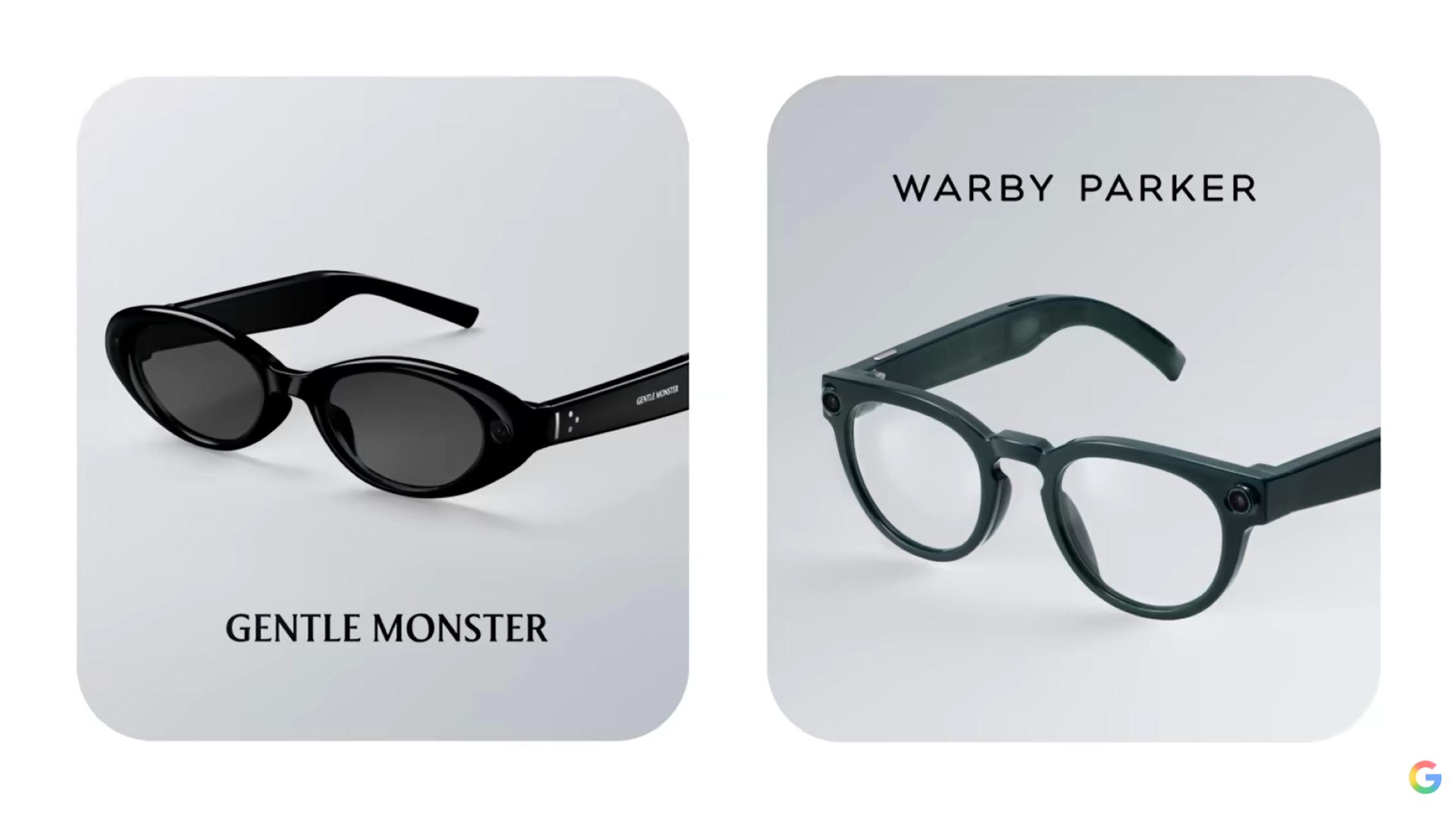
MOUNTAIN VIEW, United States – Google on Tuesday unveiled the design of new smart glasses, returning to a market the tech giant tried — and failed — to crack more than a decade ago.
The glasses, expected to go on sale later this year, will challenge Meta which has built a commanding lead with its Ray-Ban smart glasses, which have sold at least seven million units.
The Google’s so-called “audio glasses” will be equipped with a microphone, camera and small speaker, and will allow users to make calls, listen to music, take photos and chat with the Gemini AI assistant.
The company, which gave no firm release date or pricing details, unveiled two collections at its annual Google I/O developer conference near its Mountain View, California, headquarters: one from US eyewear brand Warby Parker and another from South Korean designer Gentle Monster.
Samsung handled the technical development. The glasses will be compatible with both Android and Apple phones.
For Google, the launch marks a long-awaited return to a sector where it suffered one of its most high-profile failures: the Google Glass, released in 2013 with an integrated camera, which was shelved after sparking widespread concerns about privacy and surveillance.
This time, the company is betting on design to win consumers over.
Google’s camera-equipped model is likely to invite the same privacy questions that have followed Meta.
Google is also working on glasses with a built-in display, similar to the latest model Meta brought to market in fall 2025. That version, previously shown as a prototype last year, has now advanced further in developer testing, Google announced, without providing additional details.