Filtered by: Topstories
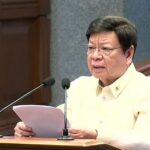
Sen. Alan Peter Cayetano on Thursday linked Malacañang to the 11 senators allied with Sen. Sherwin Gatchalian, who voted to declare all positions in the Senate vacant on Wednesday.
Cayetano said the move, which saw 12 senators elect Gatchalian as Senate President Pro Tempore and then as acting Senate President, was “coordinated.”
“Sen. Jinggoy Estrada told the Senate media, right? At the right time, in the next chapter, the evidence of those calling him will be released to you. At least three or maybe four of them were called. These 11 are meeting with Malacañang. What happened yesterday was coordinated,” Cayetano said in a press conference after a hearing on the flood control controversy.
Asked about Cayetano’s remarks about the supposed meetings in Malacañang by the 11 senators, Palace Press Officer Claire Castro said she had no information.
“We have not received any information,” Castro said.
Cayetano, in the press conference, stressed that he remained the legitimate Senate President as the senators from the other side have yet to gain a 13th senator to elect a new Senate President.
Gatchalian and 11 other senators on Wednesday held a session after the Cayetano-led senators skipped the sessions on Monday and Tuesday.
With Sen. Francis Escudero attending the session as a 12th member, the senators led by Gatchalian held a session, citing the Supreme Court decision in the 1949 Avelino v. Cuenco case as its basis in proving they had a quorum.
Cayetano, in the same press conference, advised Malacañang to wait for a 13th senator to join what he called “11 plus 1” and call for a special session of Congress to settle the leadership issue in the Senate.
“So Malacañang, that is my advice to you: wait until they reach 13, call a special session. Perhaps we can lend them one senator so they can reach 13,” Cayetano said during a Senate hearing on the flood control issue.