Series on the “Espionage Prevention Act”… A Landscape Connected to Wartime, Used as a Means to Suppress Criticism of the System… “Anyone Could Be Labeled a ‘Spy'”
The ruling coalition of the Liberal Democratic Party and Japan Innovation Party are moving to establish an “Espionage Prevention Act,” with Prime Minister Tanae Hayashi expressing enthusiasm for its enactment during the current Diet session. However, there are concerns that it evokes the Public Security Preservation Law, which was used to monitor people and suppress speech and thought before and during the war to silence criticism of the system. Experts warn, “In short, it is a law to exclude those who oppose war.”
The Espionage Prevention Act follows the 2013 Specially Designated Secrets Protection Act and the 2024 Important Economic Security Information Protection Act, with similarities noted to the 1925 Public Security Preservation Law.
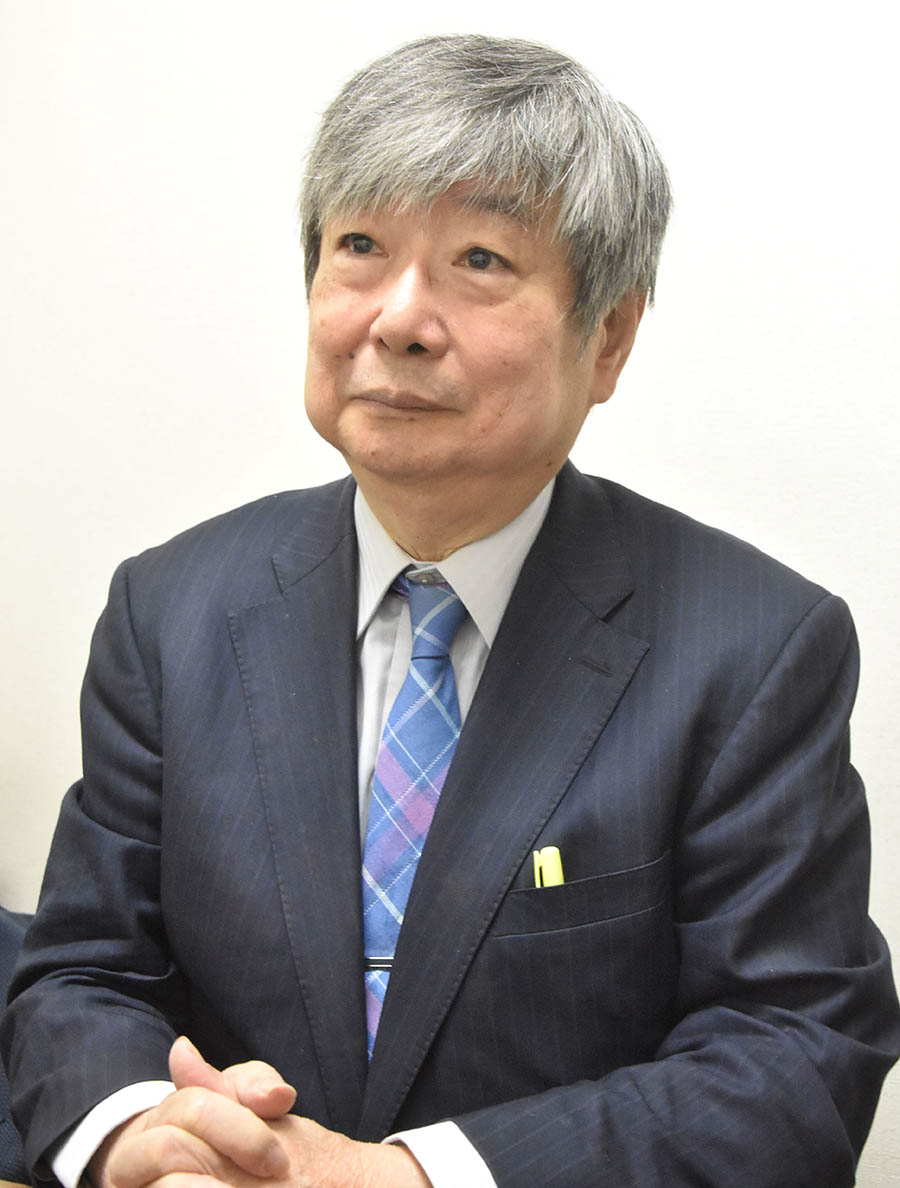
The Public Security Preservation Law targeted ideologies challenging the national polity and denying private property. “Initially, it was explained that only communists would be targeted, but eventually, it expanded to include all who opposed the war,” recalls a lawyer familiar with wartime legislation, reflecting on how the law was broadly interpreted to ensnare people far from its original targets.
In the Yokohama Incident, described as the “largest suppression of speech during the war,” defendants were forced into false confessions under severe torture and convicted. After the war, they sought vindication and rehabilitation, but retrials did not rule on guilt or innocence; their innocence was only clarified in compensation proceedings.
Although the specifics of the Espionage Prevention Act are unclear, the lawyer argues that the “ambiguity” seen in the expanded interpretation of the Public Security Preservation Law persists today.
For example, in the first application of the Specially Designated Secrets Protection Act in 2022, the content of the “specified secrets” was not disclosed, highlighting how such laws often leave the public without access to information.
“Dividing the International Community into ‘Enemies’ and ‘Allies'”
Espionage Prevention Act
The Espionage Prevention Act is not a specific cultural site or place, but a piece of legislation. It refers to laws enacted in various countries, most notably the United States with the Espionage Act of 1917, which was passed during World War I to prohibit interference with military operations and support of the nation’s enemies. Such acts are historically significant for their role in shaping national security policy and defining the legal boundaries of dissent and information sharing during wartime.
Public Security Preservation Law
The Public Security Preservation Law was a series of Japanese laws, most notably the 1925 statute, designed to suppress political dissent. It was primarily used to target left-wing movements, socialists, and communists by allowing for the arrest and imprisonment of those who sought to alter the national polity (kokutai) or abolish private property. This law became a powerful tool for the militarist government in the pre-war and wartime periods to enforce ideological conformity and crush opposition.
Specially Designated Secrets Protection Act
The Specially Designated Secrets Protection Act (SDS) is a Japanese law enacted in 2013. It designates sensitive information related to national security as “special secrets” and establishes penalties for civil servants and others who leak such information. The law was controversial, with critics raising concerns about its potential impact on press freedom and public oversight of the government.
Important Economic Security Information Protection Act
This appears to be a misunderstanding, as the “Important Economic Security Information Protection Act” is not a physical place or cultural site but a legal framework. It is a South Korean law enacted in 2023 designed to prevent the leakage of key national technologies and industrial secrets. The act aims to protect sensitive economic and technological information critical to national security and industrial competitiveness.
Yokohama Incident
The Yokohama Incident refers to a series of political suppressions by the Japanese Special Higher Police in the 1940s, primarily targeting left-wing intellectuals and journalists. It began with the arrest of a journalist from a Yokohama newspaper in 1942 and escalated into a widespread crackdown, leading to the detainment and torture of hundreds. This event is remembered as a stark example of the wartime government’s suppression of freedom of speech and political dissent.
Liberal Democratic Party
The Liberal Democratic Party (LDP) is a major conservative political party in Japan, founded in 1955. It has been the dominant ruling party for most of the post-war era, playing a central role in Japan’s economic development and international relations.
Japan Innovation Party
The Japan Innovation Party (Nippon Ishin no Kai) is a major Japanese political party founded in 2015, originally as the “Osaka Ishin no Kai.” It has its roots in the regional political movement led by former Osaka mayor Tōru Hashimoto, advocating for administrative reform, decentralization of power from Tokyo, and neoliberal economic policies. It has grown to become one of the most influential opposition parties in the Japanese National Diet.
Diet
A “Diet” refers to the national legislative body in countries like Japan, where it is formally known as the Kokkai (National Diet). Modeled partly on European parliamentary systems during the Meiji Restoration, it was established by the Meiji Constitution in 1890 and became the sovereign institution of the state under the post-World War II constitution of 1947. It is a bicameral legislature, consisting of the House of Representatives and the House of Councillors, responsible for lawmaking and government oversight.