A spherical 5-layer ice cream called “COOL Fuel” appears at Minato Mirai Hammerhead.
On May 29, the first shop of the ice cream brand “COOL Fuel” opened on the second floor of Yokohama Hammerhead (2 Shin Minato, Naka-ku, Yokohama).
The brand, developed in collaboration with chefs and creators from around the world, aims to “update the common sense of ice cream” under the concept “MELT THE RULE.” It features a five-layer structure combining the rich creaminess of mascarpone with crumble, special sauce, fresh cream, and ice cream, offering a style that allows you to enjoy a parfait-like structure with one hand.
The flagship product is a spherical soft serve ice cream. When the white sphere is broken, layers spread out, and special sauces like chocolate, strawberry, and blueberry flow out. The cross-sectional visual is also a key selling point, designed with social media sharing in mind.
Business hours are 11:00 AM to 9:00 PM (10:00 AM to 9:00 PM on Saturdays, Sundays, and holidays).
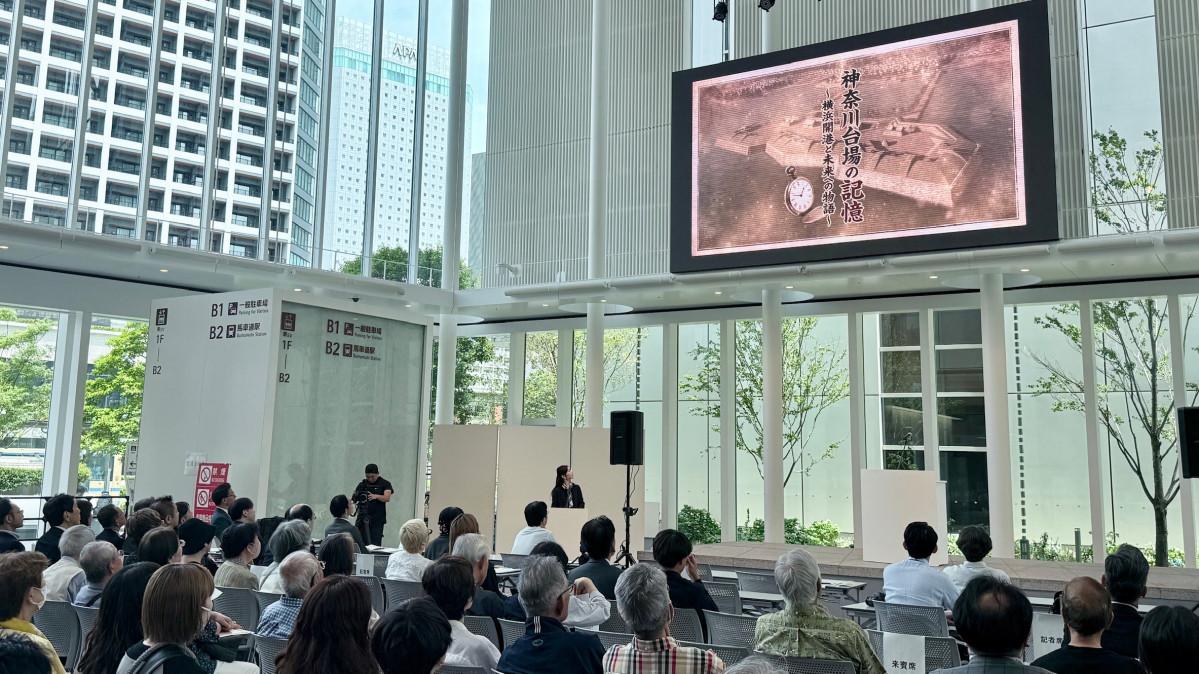
The city of Yokohama and the Kanagawa Daiba Regional Revitalization Promotion Association created digital content to convey the appeal and historical value of “Kanagawa Daiba,” a symbol of the opening of Yokohama Port, and held a public ceremony on May 26 in the atrium of the Yokohama City Hall.
Kanagawa Daiba, located near the current Yokohama Central Wholesale Market, was a battery designed by Kaishu Katsu for the defense of Yokohama Port and built by the Matsuyama domain. Completed about a year after construction began in 1860, the year following the opening of Yokohama Port, it covered an area of about 8,000 tsubo. Until its abolition in 1899, it was never used in actual combat, instead serving to fire ceremonial and salute cannon shots for international port diplomacy.
The digital content visualizes Kanagawa Daiba at the time of the port’s opening as high-definition 3DCG based on academic evidence. It includes three types of content: an “experiential VR (virtual reality)” allowing users to explore the recreated Kanagawa Daiba with a game controller, an “AR (augmented reality)” smartphone guide usable at four coastal spots in the city, and a “local history learning video” (about 10 minutes) for use in school education, introducing the history of Kanagawa Daiba and the port opening.
At the public ceremony, the association’s chairman, Dr. Hiroshi Yamamoto, took the stage. He introduced TOPPAN Edge, which handled production, the Yokohama Archives of History, which supervised the content, and city departments collaborating on its use, stating, “We want not only to create it but also to utilize it.”
Following speeches by Naka Ward Mayor Shigehisa Suzuki and Yokohama Chamber of Commerce and Industry Vice Chairman Nao Komine, who donated the production costs, Yokohama Archives of History researcher Daisuke Kamiya gave a lecture on “The Opening of Yokohama Port and Kanagawa Daiba.” Kamiya said, “Kanagawa Daiba is an important facility related to the port opening, and I hope knowledge about it will spread in the future.”
After the ceremony, a VR experience session was held. An additional experience session will take place on June 6 from 10:00 AM to 3:00 PM at AEON Style Higashi-Kanagawa. The video has been available on the association’s YouTube channel since April 27, and the AR is scheduled for release on May 27.
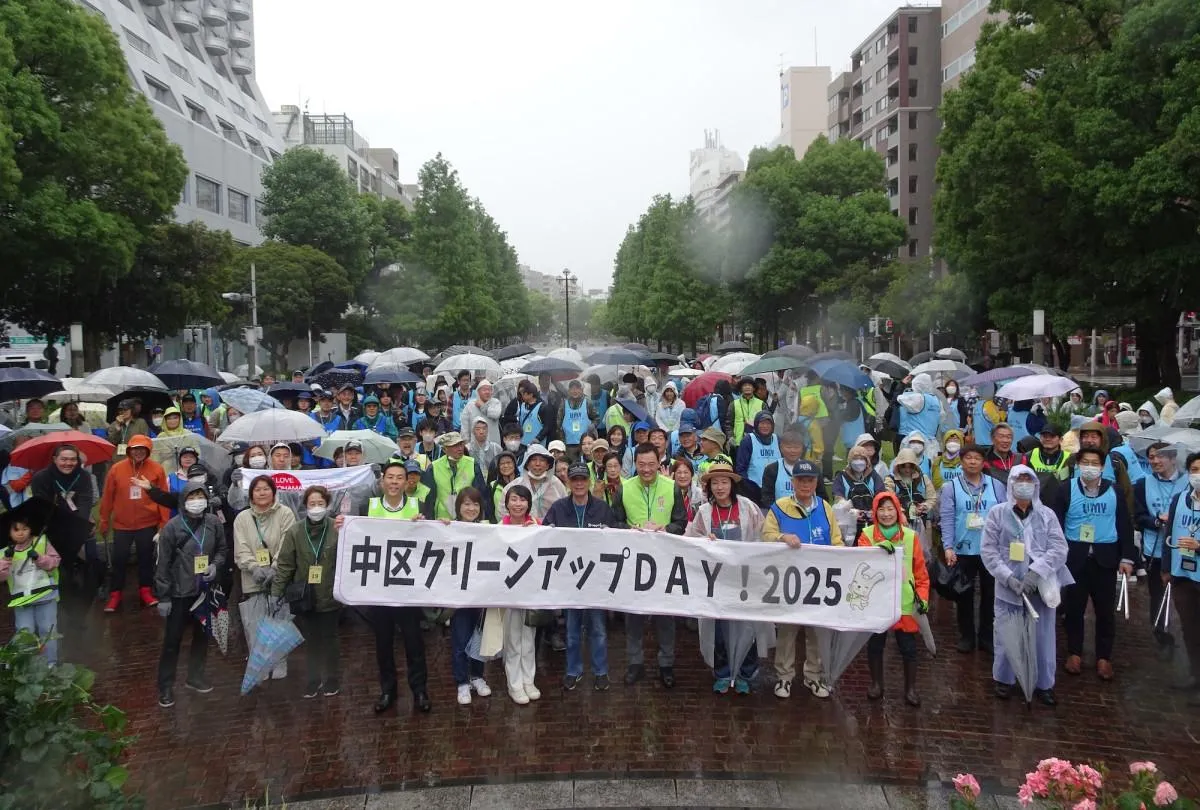
The cleaning event “Naka Ward Cleanup DAY! 2026” will be held on May 30, starting and ending at Odori Park (Naka-ku, Yokohama).
The event is organized by the Naka Ward Office of Yokohama and co-organized by the Yokohama Resource and Waste Recycling Bureau Naka Office. The goal is to make Naka Ward a beautiful and livable city while contributing to the reduction of marine plastic waste, a global issue, through cleaning activities around the Kannai and Sakuragicho station areas. In the previous event in 2025, about 380 participants collected 183 kilograms of trash.</p
Yokohama Hammerhead
Yokohama Hammerhead is a modern commercial and cultural complex located in the port area of Yokohama, Japan, built on the site of a former shipbuilding and industrial facility. Opened in 2019, it repurposes historical warehouse and dock structures to house shops, restaurants, and event spaces, while preserving the area’s maritime heritage. The site reflects Yokohama’s evolution from a key international port city in the late 19th century to a contemporary urban destination.
Yokohama City Hall
Yokohama City Hall is the administrative center of Yokohama, Japan, located in the Naka Ward. The current building, completed in 2020, is a modern high-rise structure that replaced an older city hall from the 1950s. Historically, the site reflects Yokohama’s growth as a major port city, with earlier government buildings dating back to the city’s rapid development after the Meiji Restoration.
Kanagawa Daiba
Kanagawa Daiba is a historic sea fort located in Kanagawa Prefecture, Japan, built in the mid-19th century during the late Edo period. It was constructed by the Tokugawa shogunate to defend Tokyo Bay from potential Western naval threats, following the arrival of Commodore Perry’s Black Ships. Today, the site is preserved as a park and serves as a reminder of Japan’s efforts to modernize its coastal defenses during a period of rapid change.
Yokohama Central Wholesale Market
The Yokohama Central Wholesale Market is a major hub for fresh seafood, produce, and flowers, operating since 1931 to supply the greater Tokyo Bay area. It was established to modernize the city’s food distribution system after the Great Kanto Earthquake of 1923. Today, it remains a vital part of Yokohama’s economy, known for its lively tuna auctions and public access to fresh goods.
Yokohama Archives of History
The Yokohama Archives of History is a museum and research facility located in Yokohama, Japan, dedicated to preserving the city’s rich history, particularly its role as a major port after the country opened to foreign trade in the mid-19th century. Housed in a building that was once the British Consulate, the archives contain extensive collections of documents, maps, and photographs that chronicle Yokohama’s transformation from a small fishing village into a key international hub. Its exhibits highlight the cultural exchange and modernization that occurred during the Meiji period and beyond.
Odori Park
Odori Park is a large, rectangular green space located in the heart of Sapporo, Japan, stretching over 1.5 kilometers from east to west. Originally established in the 1870s as a firebreak and central thoroughfare for the newly planned city, it has since evolved into a cultural hub hosting major events like the Sapporo Snow Festival and the Yosakoi Soran Festival. The park features flower beds, fountains, and iconic landmarks such as the Sapporo TV Tower, making it a symbol of the city’s blend of natural beauty and urban life.
Kannai
Kannai is a historic district in Yokohama, Japan, that served as the city’s administrative and commercial center during the Meiji and Taisho periods. It was the site of Yokohama’s first foreign settlement after the port opened to international trade in 1859, leading to a blend of Western and Japanese architecture. Today, Kannai retains many historic buildings and landmarks, such as the Yokohama Archives of History and the Kanagawa Prefectural Government Hall, reflecting its role in Japan’s modernization.
Sakuragicho
Sakuragicho is a vibrant waterfront district in Yokohama, Japan, known for its modern skyline and the iconic Landmark Tower. Originally a freight station and industrial area, it was redeveloped after the Great Kanto Earthquake and World War II, transforming into a major commercial and entertainment hub. Today, it serves as a key transportation gateway and a popular destination for shopping, dining, and scenic views of Yokohama Bay.