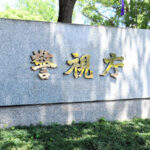
Takamatsu Castle, also known as Tamamo Castle, is a Japanese seaside fortress located in Kagawa Prefecture
Takamatsu Airport
Takamatsu Airport, located in Japan’s Kagawa Prefecture, opened in 1989 to replace the older airport and serves as a key gateway to Shikoku Island. Its history is closely tied to the region’s efforts to boost tourism and economic connectivity, with the airport’s name derived from the nearby city of Takamatsu. Today, it offers both domestic and limited international flights, supporting travel to popular destinations like Ritsurin Garden and the Seto Inland Sea.
Takamatsu
Takamatsu is a city on the island of Shikoku, Japan, known for its historic Ritsurin Garden, a celebrated landscape garden originally built by the local Matsudaira clan during the Edo period. It also features the ruins of Takamatsu Castle, a seaside fortress constructed in the late 16th century, and serves as a gateway to the art-filled islands of the Seto Inland Sea. The city prospered as a castle town and remains a cultural hub, blending samurai-era heritage with modern attractions.
Takamatsu Castle
Takamatsu Castle, also known as Tamamo Castle, is a historic Japanese castle located in Kagawa Prefecture, built in the early 17th century by the Ikoma clan. It is unique for its construction directly on the shores of the Seto Inland Sea, featuring seawater moats and a distinctive stone wall style called “sangi-zumi.” Although much of the castle was dismantled during the Meiji Restoration, its surviving gates, turrets, and beautiful gardens remain popular tourist attractions.
Ritsurin Garden
Ritsurin Garden is a celebrated Japanese landscape garden located in Takamatsu, Kagawa Prefecture, with its origins dating back to the early Edo period in the 17th century. Originally built by the local feudal lords of the Matsudaira clan, it was developed over nearly 100 years and completed around 1745 as a villa garden. Today, it is a designated National Place of Scenic Beauty, famous for its scenic ponds, walking paths, and carefully arranged trees that offer a tranquil view of Mount Shiun.
Shikoku
Shikoku is the smallest of Japan’s four main islands, renowned for its 88-temple pilgrimage route, which traces the footsteps of the 9th-century Buddhist monk Kūkai. Historically, the island was a remote and rugged region, serving as a spiritual retreat and a center for ascetic practices. Today, it is celebrated for its natural beauty, traditional arts, and the preservation of ancient religious traditions.
Seto Inland Sea
The Seto Inland Sea is a scenic body of water in Japan, separating the islands of Honshu, Shikoku, and Kyushu. Historically, it has served as a vital maritime trade route since ancient times, connecting the Kansai region with western Japan and facilitating cultural and economic exchange. Today, it is renowned for its calm waters, thousands of small islands, and cultural landmarks like the art-filled Naoshima Island.
Tamamo Castle
Tamamo Castle, also known as Takamatsu Castle, is a historic Japanese castle located in Takamatsu, Kagawa Prefecture, built in the late 16th century by the feudal lord Ikoma Chikamasa. It is famous for its unique construction directly on the Seto Inland Sea, using seawater-filled moats and stone walls designed to defend against naval attacks. Although much of the castle was dismantled during the Meiji Restoration, its surviving stone walls and restored gates remain a popular cultural site, offering a glimpse into Japan’s feudal maritime history.
Kagawa Prefecture
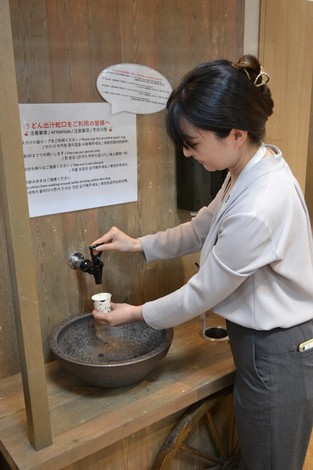
Kagawa Prefecture, located on the island of Shikoku in Japan, is the country’s smallest prefecture by area and is famous for its udon noodles, known as Sanuki udon. Historically, it was part of the ancient Sanuki Province and is home to the renowned Ritsurin Garden, a historic landscape garden built during the early Edo period. The prefecture also features the Kotohira-gu Shrine, a major Shinto shrine that has attracted pilgrims for centuries.