Students from a struggling high school in Chiba gain admission to top universities.
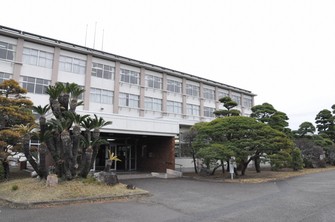
This photo shows Awa High School in the city of Tateyama, Chiba Prefecture, March 25, 2026.
TATEYAMA, Chiba — Two students from Awa High School in Tateyama, Chiba Prefecture, passed the entrance exams for the University of Tokyo and Kyoto University this spring. This is the first time in 33 years that students from the school entered both top universities in the same year.
Awa High School is a public high school near the end of the Boso Peninsula. It is an old school and this year is its 126th year. But in recent years, the school has had trouble getting enough new students because there are fewer young people in the area.
To help the school, Awa High School started a “Renaissance Project” in 2023. It made a special class for students who want to enter difficult national universities.
This April, 18-year-old Hyuga Shimabuku entered the University of Tokyo, and 18-year-old Hayato Takiguchi entered Kyoto University. The school also had more than 30 students enter national and public universities, which had not happened in seven years.
There are no big cram schools in the area, but Shimabuku improved his grades without going to one.
Principal Takahide Hayakawa said, “Regional public high schools are in a difficult situation, but they have proven that children who stay in their communities can achieve results if they work hard. We want to continue nurturing the local children in Awa.”
struggle: to have a difficult time
cram school: a special school where students study more after regular school
improve: to make better
prove: to show something is true
nurturing: helping someone grow and develop
Awa High School
Awa High School, located in Awa, Tokushima Prefecture, Japan, has a history dating back to its founding in the early 20th century. It is known for its strong academic programs and emphasis on traditional cultural activities, reflecting the region’s heritage. The school has played a key role in educating local youth while fostering community ties and pride in Awa’s unique traditions.
Tateyama, Chiba Prefecture
Tateyama, located at the southern tip of the Bōsō Peninsula in Chiba Prefecture, is a coastal city known for its scenic beaches and the historic Tateyama Castle, a reconstructed castle originally built in the 16th century. The area has long been a strategic port and fishing hub, and today it serves as a popular tourist destination for its marine activities and views of Mount Fuji across Tokyo Bay. Its history also includes ties to the Tateyama clan during the Sengoku period, with the castle serving as a key defensive stronghold.
University of Tokyo
The University of Tokyo, often referred to as Todai, is a prestigious public research university in Japan, founded in 1877 as the first imperial university. It played a central role in Japan’s modernization during the Meiji era, blending Western educational models with Japanese traditions. Today, it is renowned for its academic excellence and influential alumni, including numerous prime ministers and Nobel laureates.
Kyoto University
Kyoto University, established in 1897 as the second oldest university in Japan, is a prestigious national research institution located in Kyoto. It has a rich history of academic excellence and innovation, being the alma mater of numerous Nobel laureates and leaders in various scientific fields. The university is known for its liberal academic culture and significant contributions
Awa High School
Awa High School, located in Tokushima Prefecture, Japan, is a historic institution known for its strong academic traditions and cultural contributions. Founded in the early 20th century, it has played a key role in local education, fostering many notable alumni. The school is also recognized for its involvement in preserving regional heritage and promoting student development in both academics and extracurricular activities.
Tateyama, Chiba Prefecture
Tateyama, located at the southern tip of the Bōsō Peninsula in Chiba Prefecture, is a coastal city known for its scenic beaches and the historic Tateyama Castle, originally built in the 16th century. The area has long served as a strategic port and fishing hub, with its modern identity shaped by tourism and marine activities. Today, it is a popular destination for visitors seeking ocean views, fresh seafood, and access to the nearby Tateyama Caldera and museum.
Boso Peninsula
The Boso Peninsula is a large peninsula in Chiba Prefecture, Japan, that separates Tokyo Bay from the Pacific Ocean. Historically, it served as a crucial farming and fishing region supplying food to Edo (modern-day Tokyo) during the Edo period. Today, it is known for its scenic coastlines, hot springs, and preserved rural landscapes.
University of Tokyo
The University of Tokyo, often referred to as Todai, is Japan’s most prestigious university, founded in 1877 as the first modern university in the country. It was established by merging several Edo-era institutions, including the Shoheizaka School and the Kaisei School, to promote Western learning and modernization during the Meiji period. Since then, it has played a pivotal role in shaping Japan’s academic, political, and scientific leadership, producing numerous prime ministers and Nobel laureates.
Kyoto University
Kyoto University, founded in 1897 as the second oldest university in Japan, is a prestigious national research institution located in Kyoto. Originally established as Kyoto Imperial University, it has a rich history of academic excellence and intellectual freedom, producing numerous Nobel laureates and leading scholars. The university is renowned for its contributions to science, technology, and humanities, as well as its beautiful campus that blends traditional Japanese architecture with modern facilities.
Tateyama Castle
Tateyama Castle is a Japanese castle located in Tateyama, Chiba Prefecture, known for its reconstructed main keep that offers panoramic views of Tokyo Bay. Originally built in the late 16th century by the Satomi clan, it served as a strategic stronghold during the Sengoku period before being dismantled in the early Edo era. The current structure, completed in 1982, now functions as a history museum showcasing artifacts from the region’s samurai past.
Mount Fuji
Mount Fuji is Japan’s tallest and most iconic volcano, standing at 3,776 meters, and has been a sacred site for centuries in Shinto and Buddhist traditions. Its nearly symmetrical cone has inspired countless works of art, most famously in ukiyo-e woodblock prints by Hokusai and Hiroshige. Recognized as a UNESCO World Heritage Site in 2013, it remains a popular destination for climbers and pilgrims, with the official climbing season running from July to early September.
Tokyo Bay
Tokyo Bay is a historic and economically vital bay located on Japan’s Pacific coast, bordered by Tokyo and the surrounding prefectures. It served as the entry point for Commodore Matthew Perry’s “Black Ships” in 1853, which ended Japan’s isolation and sparked modernization. Today, it is a hub for international trade, recreation, and iconic landmarks like the Rainbow Bridge and Odaiba.