Japan’s population drops sharply to 123 million in 2025, census shows.
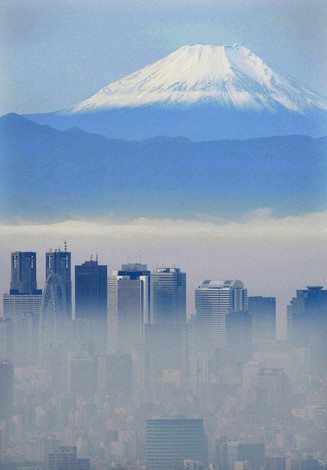
Tokyo.
TOKYO — Japan’s population, including foreign residents, fell by a record 3.1 million from 2020 to 123,049,524 in 2025, the latest census showed Friday, highlighting the demographic challenges facing the rapidly graying society.
The total population fell 2.5 percent, declining for the third straight survey.
The census, conducted every five years, also showed that 30.1 percent of the population was concentrated in the Tokyo metropolitan area as of Oct. 1 last year, crossing the 30 percent threshold for the first time.
The government attributed the decline to the country’s graying population and the widening natural decrease, in which deaths outnumber births.
With the trend expected to continue, pressure is mounting on the government to devise policies for sustaining regional communities and the economy.
According to U.N. population estimates for 2025, Japan is the world’s 12th most populous country and accounts for 1.5 percent of the global total.
Among the top 20 most populated countries, Japan, China, Russia and Thailand recorded population declines between 2020 and 2025, with Japan posting the steepest.
Tokyo
Tokyo is the capital of Japan and one of the world’s most populous and dynamic cities. Originally a small fishing village named Edo, it became the political center in 1603 under the Tokugawa shogunate and was renamed Tokyo (“Eastern Capital”) when the Emperor moved from Kyoto in 1868. Today, it blends centuries-old temples and traditions with cutting-edge technology and modern skyscrapers.
Tokyo metropolitan area
The Tokyo metropolitan area, often referred to as Greater Tokyo, is the most populous urban region in the world, home to over 37 million people. Originally a small fishing village called Edo, it became the political center of Japan in 1603 under the Tokugawa shogunate and was renamed Tokyo (“Eastern Capital”) in 1868 after the Meiji Restoration. Today, it is a global hub of culture, technology, and commerce, blending historic sites like the Imperial Palace with cutting-edge districts such as Shibuya and Shinjuku.
Tokyo
Tokyo is the capital of Japan and one of the world’s most populous and vibrant cities. Originally a small fishing village called Edo, it became the political center of Japan in the early 17th century under the Tokugawa shogunate, and was renamed Tokyo (“Eastern Capital”) in 1868 after the Meiji Restoration. Today, it seamlessly blends centuries-old temples and traditions with cutting-edge technology and modern urban culture.
Tokyo metropolitan area
The Tokyo metropolitan area, often referred to as Greater Tokyo, is the most populous urban region in the world, centered on Japan’s capital, Tokyo. Originally a small fishing village called Edo, it became the seat of the Tokugawa shogunate in 1603 and was renamed Tokyo (“Eastern Capital”) in 1868 after the Meiji Restoration restored imperial rule. Today, it is a global hub for finance, culture, and technology, blending historic temples and imperial palaces with cutting-edge skyscrapers and neon-lit districts.
Edo
Edo, the former name of modern-day Tokyo, was a small fishing village that became the political and
Tokyo
Tokyo, the capital of Japan, was originally a small fishing village named Edo before becoming the seat of the Tokugawa shogunate in 1603. After the Meiji Restoration in 1868, it was renamed Tokyo (meaning “Eastern Capital”) and transformed into the country’s political, economic, and cultural hub. Today, Tokyo is a sprawling metropolis known for blending historic landmarks like the Imperial Palace with cutting-edge technology and pop culture.
Tokyo metropolitan area
The Tokyo metropolitan area, known as Greater Tokyo, is the most populous urban region in the world, encompassing Tokyo proper and surrounding prefectures. Historically, it grew from the small fishing village of Edo, which became the seat of the Tokugawa shogunate in the early 17th century and was later renamed Tokyo (“Eastern Capital”) during the Meiji Restoration in 1868. Today, it serves as Japan’s political, economic, and cultural hub, blending ancient temples and imperial palaces with cutting-edge technology and modern skyscrapers.
Edo
Edo, the former name of Tokyo, was the seat of power for the Tokugawa shogunate from 1603 to 1868, during which it grew into one of the world’s largest cities. It served as Japan’s political and cultural center under the strict rule of the shoguns, fostering a unique urban culture known as “Edo culture.” After the Meiji Restoration, the city was renamed Tokyo and became the official capital of Japan.
Kyoto
Kyoto, once the imperial capital of Japan for over a thousand years (from 794 to 1868), is a city renowned for its profound cultural heritage. It is home to thousands of classical Buddhist temples, Shinto shrines, traditional wooden houses, and iconic sites like the golden Kinkaku-ji and the Fushimi Inari Shrine. Despite modern development, Kyoto remains the heart of traditional Japanese culture, preserving ancient arts, tea ceremonies, and geisha districts.
Imperial Palace
The Imperial Palace, located in the heart of Tokyo, Japan, is the primary residence of the Emperor of Japan. Built on the site of the former Edo Castle, which was the seat of the Tokugawa shogunate until 1868, the palace features traditional Japanese architecture and beautiful gardens. While much of the original castle was destroyed during World War II, the current palace was rebuilt in the post-war period and remains a symbol of Japan’s imperial heritage.
Shibuya
Shibuya is a bustling commercial and entertainment district in Tokyo, Japan, famous for its iconic “Scramble Crossing” where hundreds of pedestrians cross at once. Historically a small village, it grew into a major transportation hub after the opening of Shibuya Station in 1885 and became a symbol of youth culture and urban energy in the post-war era. Today, it is known for landmarks like the Hachikō statue and surrounding shopping, dining, and nightlife venues.
Shinjuku
Shinjuku is a major commercial and administrative hub in Tokyo, Japan, known for its skyscrapers, entertainment districts, and the bustling Shinjuku Station, the world’s busiest railway station. Historically, it developed from a post town on the Kōshū Kaidō road during the Edo period and later became a key area for urban development after the 1923 Great Kantō earthquake. Today, it blends modern city life with cultural landmarks like the Shinjuku Gyoen National Garden and the neon-lit Kabukichō district.
Meiji Restoration
The Meiji Restoration was a transformative period in Japanese history from 1868 to 1912, when the feudal Tokugawa shogunate was overthrown and imperial rule was restored under Emperor Meiji. This era saw rapid modernization, industrialization, and westernization, as Japan adopted political, military, and technological reforms to become a global power. The restoration fundamentally reshaped Japanese society, ending samurai dominance and establishing a centralized, constitutional government.