Japan PM says population decline ‘a quiet emergency’ as births hit record low
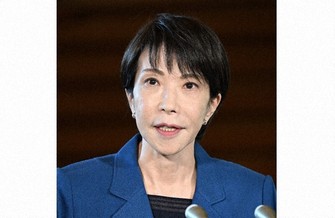
Prime Minister Sanae Takaichi
TOKYO — Japanese Prime Minister Sanae Takaichi said at a House of Representatives Budget Committee session on June 4 that the record-low number of Japanese children born in the country in 2025 and the record-low total fertility rate represent “an extremely severe situation.”
In her response to a question from Junya Ogawa, leader of the Centrist Reform Alliance, she added, “I see population decline as a quiet emergency and a vital issue.”
According to the Ministry of Health, Labor and Welfare, the number of Japanese children born in the country in 2025 was 671,236, the lowest since records began in 1899. The total fertility rate, defined as the average number of children a woman is expected to have in her lifetime, also fell to 1.14, setting a new record low since recordkeeping began in 1947.
Takaichi said, “I have only been in office (as prime minister) for seven months, and I have not yet been able to dramatically change the trend.” At the same time, she stressed, “I want to increase take-home income as much as possible for younger people so that those who want to marry and want children do not have to give up on that dream.” She also said, “I also want to strengthen support for people struggling with the burden of raising children in isolation.”
House of Representatives
The House of Representatives is the lower chamber of the United States Congress, established by the Constitution in 1789. Its membership is based on each state’s population, with representatives elected every two years to serve the people’s interests. Historically, it has been a key arena for major legislative debates, including those over civil rights, taxation, and war.
Budget Committee
The “Budget Committee” is not a typical cultural site or tourist attraction, but rather a key legislative body, such as the U.S. House Committee on the Budget, established in 1974. It was created to oversee the federal budget process, ensuring fiscal responsibility and setting spending and revenue targets. The committee plays a crucial role in shaping national economic policy through annual budget resolutions.
Ministry of Health, Labor and Welfare
The Ministry of Health, Labour and Welfare (MHLW) is a key Japanese government agency responsible for overseeing public health, social welfare, and labor policies. Established in 2001 through the merger of the Ministry of Health and Welfare (founded in 1938) and the Ministry of Labour (founded in 1947), it has played a central role in shaping Japan’s healthcare system, pension plans, and workplace regulations. The ministry is also instrumental in addressing contemporary challenges such as an aging population and labor market reforms.