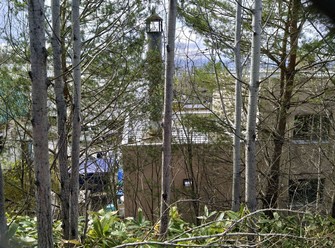
This photo taken April 24, 2026, shows the animal crematorium at Asahiyama Zoo in Asahikawa, Hokkaido.

Japanese police are questioning a zoo worker on suspicion of leaving a woman’s body in an incinerator at the animal crematorium at Asahiyama Zoo in Hokkaido, an investigative source said Friday.

The man has told investigators that he put the body of his wife in the incinerator, the source said. However, as no such body has been found there, police are looking into whether it may have burned to ash.

The man is a city employee in his 30s working at the popular zoo in Asahikawa on the northern main island, according to the source. A person close to a woman in her 30s contacted police this month after being unable to reach her since around late March.

The zoo has been closed for the past two weeks to prepare for the new season, which begins next Wednesday.

Police examined the area around the crematorium on Friday. The facility is used to cremate zoo animals after they die.

Asahiyama Zoo

Asahiyama Zoo, located in Hokkaido, Japan, is famous for its innovative behavioral exhibits that allow visitors to observe animals in naturalistic, active settings. Opened in 1967, it gained international acclaim for features like the penguin walk and the seal’s vertical tunnel. The zoo focuses on conservation and education, making it one of Japan’s most popular zoos.

Asahikawa

Asahikawa is the second-largest city in Hokkaido, Japan, known as the “City of Furniture” due to its long history of woodworking and furniture craftsmanship. Its development accelerated in the late 19th century as a key transportation hub and military base, and today it is famous for the Asahiyama Zoo, the annual Asahikawa Winter Festival, and its ramen culture. The city also serves as a gateway to the scenic Daisetsuzan National Park.

Hokkaido

Hokkaido, Japan’s northernmost island, was historically known as Ezo and inhabited by the indigenous Ainu people before large-scale Japanese settlement began in the late 19th century. It was officially renamed Hokkaido in 1869 during the Meiji Restoration, leading to rapid development of agriculture, mining, and port cities like Sapporo. Today, it is celebrated for its stunning natural landscapes, ski resorts, and unique cultural heritage, including Ainu traditions.

Asahiyama Zoo

Asahiyama Zoo, located in Hokkaido, Japan, is famous for its innovative behavioral exhibits that allow visitors to observe animals in naturalistic and active settings. Opened in 1967, the zoo gained international acclaim in the early 2000s for its “Action Observation” designs, such as the glass-sided penguin pool and seal’s vertical tunnel. It remains one of Japan’s most popular zoos, drawing millions of visitors annually.

Asahikawa

Asahikawa is the second-largest city in Hokkaido, Japan, known for its central location and cold winters. Historically, it developed as a key transportation hub and military base during the Meiji era, later becoming famous for its woodworking industry and the Asahiyama Zoo. Today, it attracts visitors with its winter festivals, ski resorts,

Asahiyama Zoo

Asahiyama Zoo, located in Asahikawa, Hokkaido, Japan, is famous for its innovative “behavioral exhibits” that allow visitors to observe animals’ natural behaviors up close. Opened in 1967, the zoo gained international acclaim for its creative enclosures, such as the penguin walk and seal tunnel. It remains one of Japan’s most popular zoos, drawing millions of visitors annually.

Asahikawa

Asahikawa is the second-largest city in Hokkaido, Japan, known for its cold winters and scenic location along the Ishikari River. Historically, it developed as a key industrial and transport hub during the Meiji era, centered around lumber, paper, and sake production. Today, it is famous for the Asahiyama Zoo and the Asahikawa Winter Festival, which showcases large snow sculptures.

Hokkaido

Hokkaido, Japan’s northernmost main island, was historically known as Ezo and inhabited by the indigenous Ainu people before large-scale Japanese settlement began in the late 19th century. It was officially renamed Hokkaido in 1869 during the Meiji Restoration, when the government promoted development through agriculture, mining, and infrastructure projects. Today, Hokkaido is renowned for its natural beauty, including national parks, hot springs, and ski resorts, as well as its distinct culture and cuisine.

Daisetsuzan National Park

Daisetsuzan National Park is a vast wilderness area in Hokkaido, Japan, established in 1934. It is the country’s largest national park, known for its rugged mountain ranges, alpine flora, and volcanic landscapes. The park’s name means “Great Snowy Mountain,” reflecting its heavy snowfall and role as the traditional homeland of the indigenous Ainu people.

Sapporo

Sapporo is the largest city on Japan’s northern island of Hokkaido, known for its modern urban planning and the annual Sapporo Snow Festival. Originally developed as a colonial outpost in the late 19th century, it was heavily influenced by Western design, featuring a grid layout and wide boulevards. The city also gained international fame for hosting the 1972 Winter Olympics, the first ever held in Asia.