As part of “Postwar 80th Year Initiatives,” a “Suginami Peace Map” has been created to introduce wartime structures and symbols of peace remaining within the ward. Incorporating opinions from residents, the map conveys traces of the war hidden in everyday life, such as areas around JR stations where buildings were demolished for firebreaks.
The ward has long conducted efforts to convey the horrors of war and the importance of peace through initiatives like “visiting classes.” With over 80 years having passed since the war and fewer people who remember that time, the map was created to prevent those memories from fading.
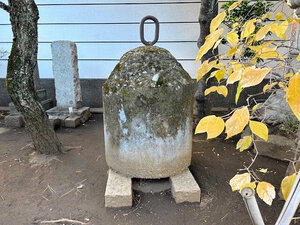
The map features a total of 23 locations. Among them, at a farm in Igusa 3-chome, claw marks from incendiary bombs dropped by U.S. forces remain on the shutters of the management office. Furthermore, at Nakadō-ji temple in Ogikubo 2-chome, there is a concrete bell that was hung as a replacement after the original metal bell was collected under the Metal Collection Order.
The map is being distributed at facilities such as ward public libraries and community centers. It is planned that guided tours visiting the featured locations will be conducted in the next fiscal year.
Suginami Peace Map
The Suginami Peace Map is a community-based project in Tokyo’s Suginami Ward, created to preserve the memory of the area’s wartime destruction and promote peace. It originated from local residents’ efforts to map and document the devastating air raids of 1945, particularly the major firebombing on April 15th. Today, it serves as an educational resource, using physical markers and digital maps to connect the modern neighborhood with its historical experience of war.
JR stations
JR stations refer to the train stations operated by the Japan Railways Group, a network of companies formed after the privatization of the national railway system in 1987. These stations, found throughout Japan, are central hubs for the country’s famous efficient and punctual rail service, with major terminals like Tokyo Station (opened in 1914) often blending historic architecture with modern amenities. They are not just transit points but also vibrant commercial and social centers, housing shops, restaurants, and department stores.
Igusa 3-chome farm
The Igusa 3-chome farm is a small, community-supported agricultural area located in the Suginami ward of Tokyo, Japan. It represents a modern effort to preserve green space and promote local food production within the dense urban environment, offering residents a direct connection to farming. While not a historical site in the traditional sense, its existence highlights the contemporary cultural value placed on sustainability and community in one of the world’s largest cities.
Nakadō-ji temple
Nakadō-ji is a historic Buddhist temple located on the sacred island of Shikoku, Japan, and is the 86th temple on the famous 88-temple pilgrimage route. It was founded in the 8th century by the revered monk Kūkai (Kōbō Daishi), who is said to have carved the temple’s principal image of Yakushi Nyorai, the Buddha of healing. The temple is particularly known for its serene atmosphere and its connection to the island’s deep spiritual heritage.
Ogikubo 2-chome
Ogikubo 2-chome is a residential and commercial district within Suginami Ward in Tokyo, Japan. Historically part of the larger Ogikubo area, it developed primarily in the Showa period as a suburban residential neighborhood following the expansion of the JR Chuo Line, which made it a convenient commuter town for central Tokyo. Today, it is known for its local shopping streets, traditional eateries, and its proximity to the famous Ogikubo Station, an area celebrated for its soba noodles.
ward public libraries
Ward public libraries are local branches of a city’s public library system, typically named after the municipal wards they serve. They were established to provide accessible community-focused library services, often expanding in the late 19th and early 20th centuries alongside urbanization and public education movements. Today, they function as neighborhood hubs offering books, digital resources, and community programs.
community centers
Community centers are public facilities that serve as gathering places for local residents, offering a range of social, educational, and recreational activities. Their modern form emerged in the late 19th and early 20th centuries, particularly through settlement houses in urban areas, aiming to support community development and social cohesion. Today, they remain vital hubs for fostering connection, providing services, and hosting events tailored to neighborhood needs.