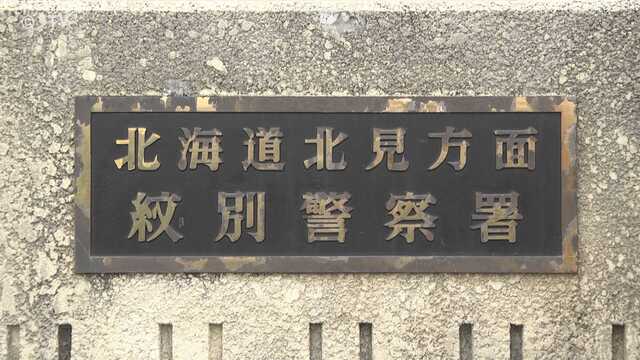
An accident occurred on National Route 273 in Takinoue Town, Takanoue Hara.
Around 6:00 PM on June 7, a passenger car heading toward Takinoue Town collided with a bear that jumped out onto the road.
According to the police, the bear was about 1.5 meters long and fled the scene after the collision.
The front left side of the car was heavily damaged, making it unable to drive. The female driver was uninjured.
National Route 273
National Route 273 is a major highway in Hokkaido, Japan, stretching approximately 240 kilometers from Obihiro to Asahikawa. It is renowned for its scenic route through the Daisetsuzan National Park, including the challenging yet beautiful Mikuni Pass. The road has historical significance as a key transportation link developed to connect the agricultural and urban areas of central Hokkaido.
National Route 273
National Route 273 is a major highway in Hokkaido, Japan, stretching approximately 250 kilometers from Obihiro to Asahikawa. It is renowned for its scenic beauty, passing through the Daisetsuzan National Park and the famous “Highway of the Vast Sky” (Oshinkoshin Falls area), and it traverses the historic Mikuni Pass. The route was developed to connect eastern and central Hokkaido, playing a key role in regional transportation and tourism since its completion in the mid-20th century.
Takinoue Town
Takinoue Town is a scenic area located in Hokkaido, Japan, known for its natural hot springs and the majestic Mount Yotei. Historically, the town developed around the Takinoue Onsen hot spring resort, which has been a popular destination for relaxation and healing since the early 20th century. Today, it offers visitors a blend of traditional Japanese onsen culture, outdoor activities like hiking, and beautiful seasonal landscapes.
Takanoue Hara
Takanoue Hara is an archaeological site in Japan, known for its ancient burial mounds and artifacts from the Kofun period (c. 250–538 CE). The site features keyhole-shaped tombs and earthenware that provide insight into early Japanese funerary practices and social hierarchy. Its discoveries have helped historians understand the cultural and political development of the region during that era.
Daisetsuzan National Park
Daisetsuzan National Park, located in Hokkaido, Japan, is the country’s largest national park, renowned for its rugged alpine terrain, volcanic peaks, and pristine wilderness. Established in 1934, the park is centered around the Daisetsuzan mountain range, often called the “Roof of Hokkaido,” and has long been a sacred site for the indigenous Ainu people. It offers diverse ecosystems and popular activities like hiking, hot springs, and wildlife viewing, particularly in autumn when the foliage is vibrant.
Mikuni Pass
Mikuni Pass is a historic mountain pass located in the Japanese Alps, connecting the present-day prefectures of Nagano and Gifu. It was a key route during the Edo period for travelers and trade, particularly for the “sankin kotai” system where feudal lords journeyed to and from Edo. The pass is also known for its scenic beauty and has been a popular destination for hikers and history enthusiasts exploring Japan’s ancient trails.
Obihiro
Obihiro is a city located on the island of Hokkaido, Japan, known for its agricultural roots and the scenic Tokachi Plain. Developed as a key settlement during the Meiji period, it grew rapidly after the establishment of railway lines in the early 20th century, becoming a central hub for dairy farming and food production. Today, Obihiro is famous for its annual winter festivals, local cuisine like butadon (pork bowl), and its role as a gateway to the nearby Tokachi Hills and hot springs.
Asahikawa
Asahikawa is the second-largest city in Hokkaido, Japan, known for its cold winters and as a gateway to the Daisetsuzan mountain range. It developed as a key industrial and cultural hub in the late 19th century, originally serving as a base for the development of northern Hokkaido. The city is famous for its Asahiyama Zoo, one of Japan’s most popular zoos, and its traditional crafts, including Asahikawa furniture.
Hokkaido
Hokkaido is Japan’s northernmost main island, known for its vast natural landscapes, hot springs, and distinct seasons. Historically, it was primarily inhabited by the Ainu people before Japanese colonization began in earnest during the Meiji era (late 19th century), when the government established the Hokkaido Development Commission to promote settlement and agriculture. Today, it is a popular destination for skiing, lavender fields, and outdoor activities, with cities like Sapporo hosting famous winter festivals.