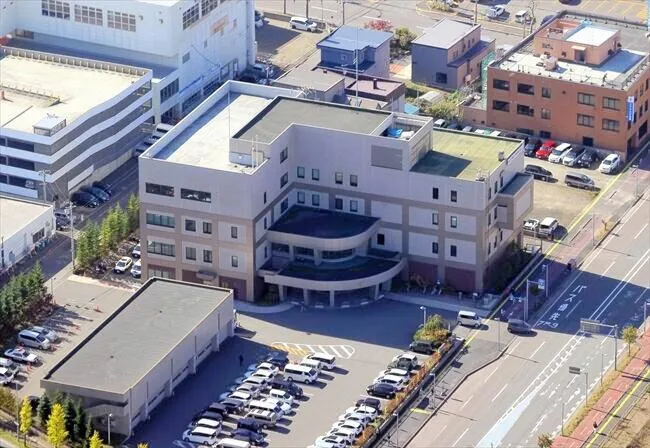
In Kitahiroshima, on the 3rd, a man was found collapsed during work on the premises of the steel frame manufacturer “Sapporo Tomoe Corporation” in Kyoei, Kitahiroshima City, and died. According to an investigation by the Sapporo Atsubetsu Police Station, the man was identified on the 4th as Junichi Isobe (61), a company employee from Kami-Noporo 3-3, Atsubetsu-ku, Sapporo City. The cause of death was intracranial injury.
Kitahiroshima
Kitahiroshima is a city located in Hokkaido, Japan, originally established as a settlement for the Hokkaido Development Commission in the late 19th century. It developed as a transportation hub and agricultural center, and was officially designated as a city in 1996. Today, it is known for its suburban residential areas, parks, and proximity to Sapporo, blending historical roots with modern living.
Sapporo
Sapporo is the largest city on Japan’s northern island of Hokkaido, known for its modern urban planning and the annual Sapporo Snow Festival. Founded in the late 19th century, it developed rapidly as a government-planned capital, with its iconic clock tower and beer brewery dating back to the early Meiji period. The city gained international fame for hosting the 1972 Winter Olympics, the first ever held in Asia.
Kyoei
Kyoei is a district in the city of Takasaki, Gunma Prefecture, Japan. Historically, it developed as a key area for the textile industry, particularly silk weaving, which flourished during the late 19th and early 20th centuries. Today, Kyoei retains elements of this industrial heritage while serving as a residential and commercial neighborhood.
Sapporo Tomoe Corporation
The Sapporo Tomoe Corporation was a Japanese construction company established in the late 19th century, known for its role in the development of Hokkaido’s infrastructure. It played a significant part in building roads, railways, and public works in the Sapporo region during Japan’s modernization period. The company’s name is sometimes associated with historical engineering projects in northern Japan.
Kami-Noporo
Kami-Noporo is a historic Ainu settlement site located in Hokkaido, Japan, which served as a key cultural and trading hub for the indigenous Ainu people. The area is known for its well-preserved remnants of traditional Ainu homes (chise) and artifacts, reflecting the community’s way of life before Japanese colonization. Today, it stands as an important archaeological and cultural heritage site, offering insights into Ainu history and traditions.
Atsubetsu-ku
Atsubetsu-ku is one of the ten wards of Sapporo, Hokkaido, Japan, established in 1989 when it was separated from Shiroishi-ku. Historically, the area was developed as a residential suburb of Sapporo, with its name derived from the Ainu language, meaning “place where salmon gather.” Today, it is known for its peaceful neighborhoods, parks, and the Atsubetsu Botanical Garden.