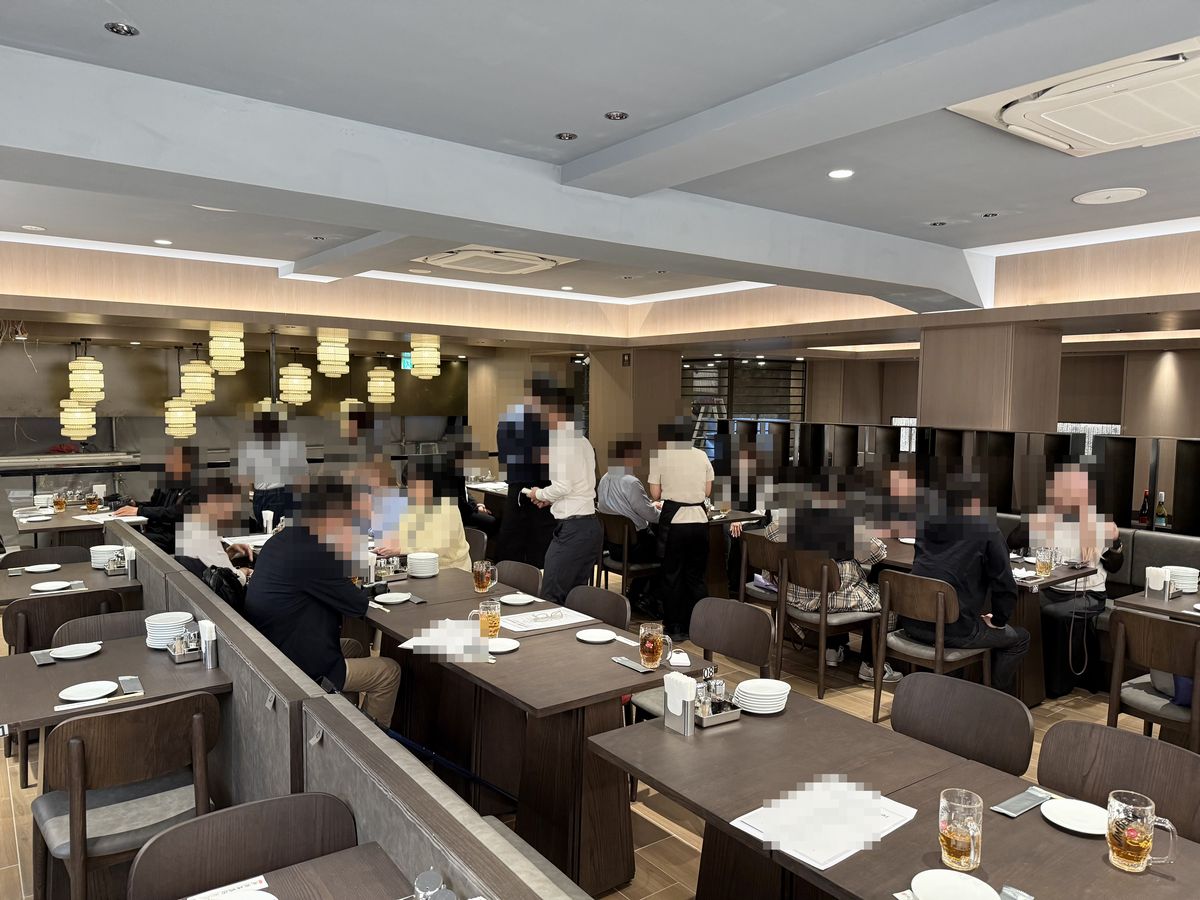
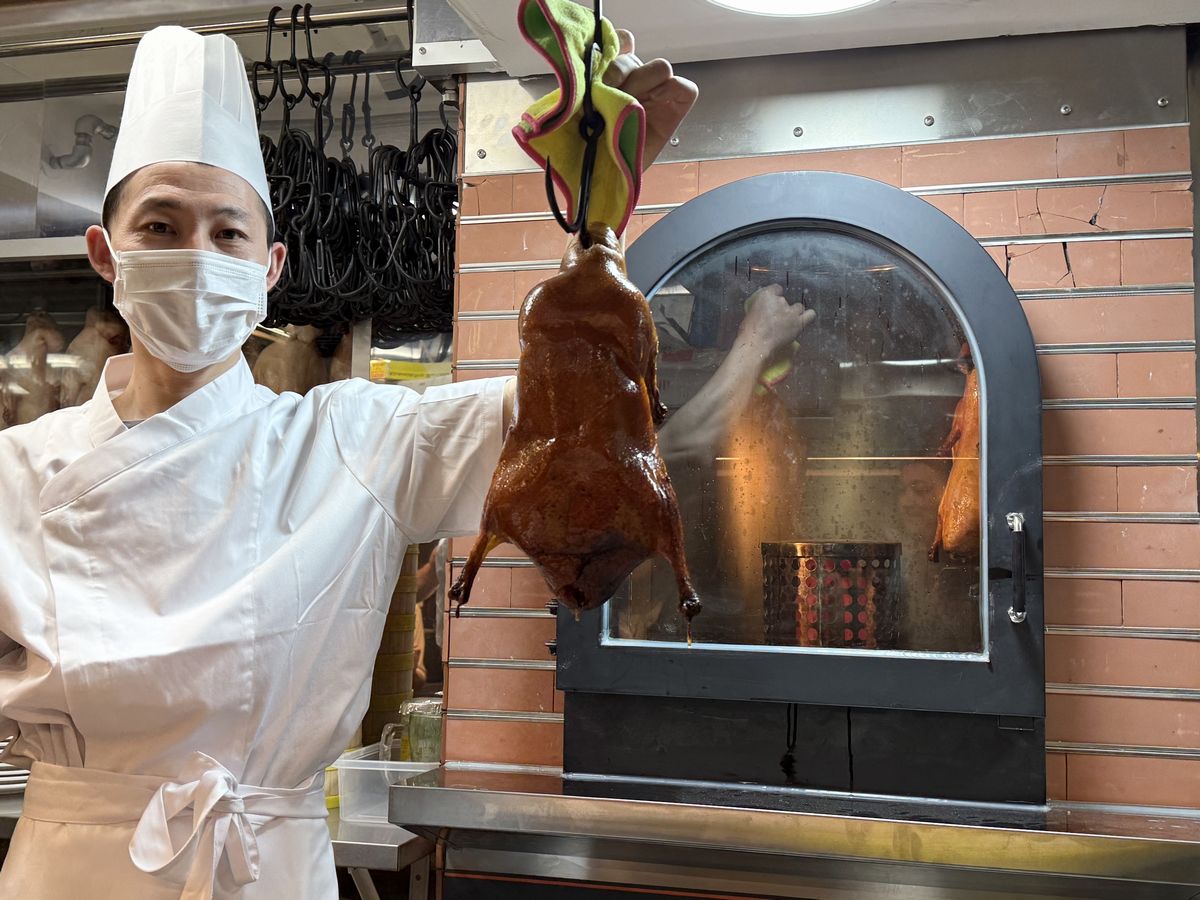
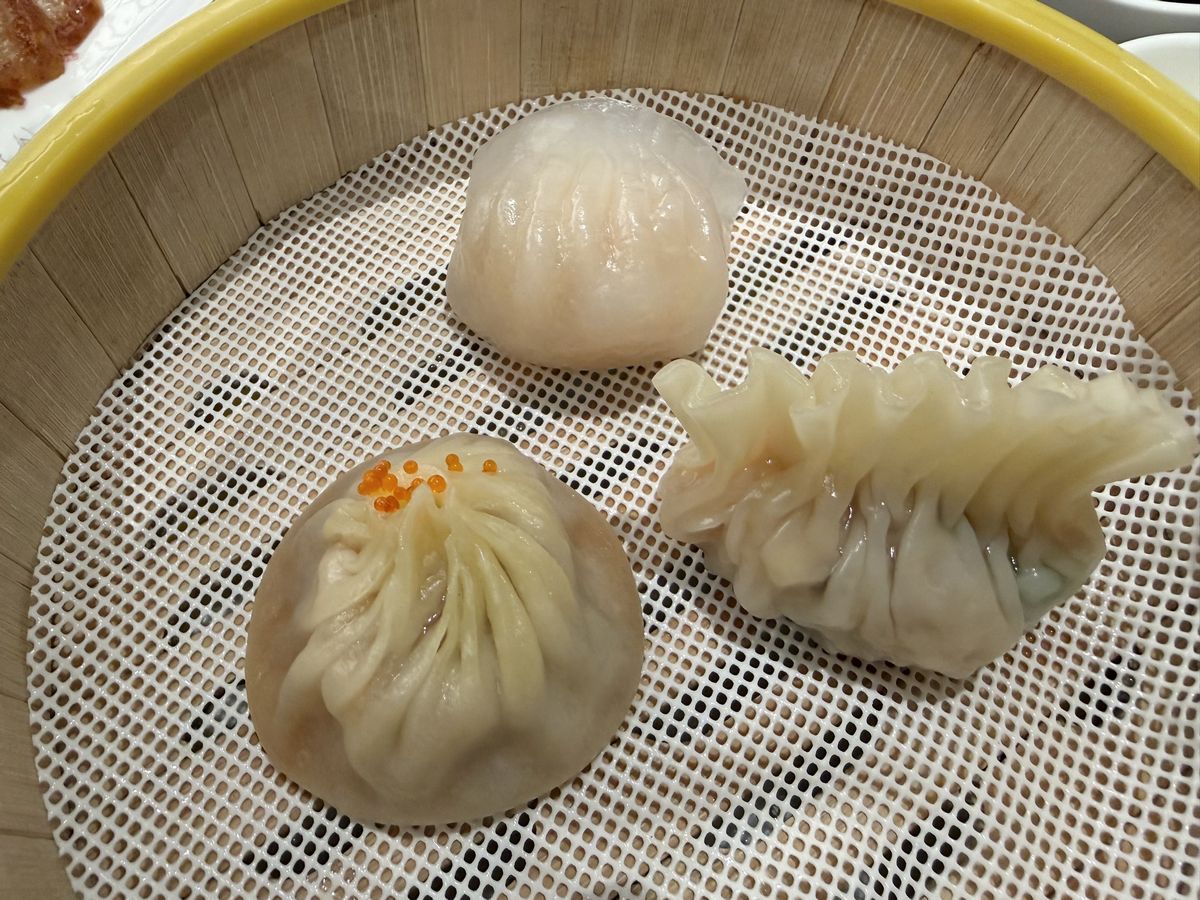
According to the staff, the opening date is Thursday, April 30, 2026. This is a specialty Peking duck restaurant where you can enjoy a variety of Chinese dishes, including Peking duck as the main dish, as well as xiaolongbao and mapo tofu.
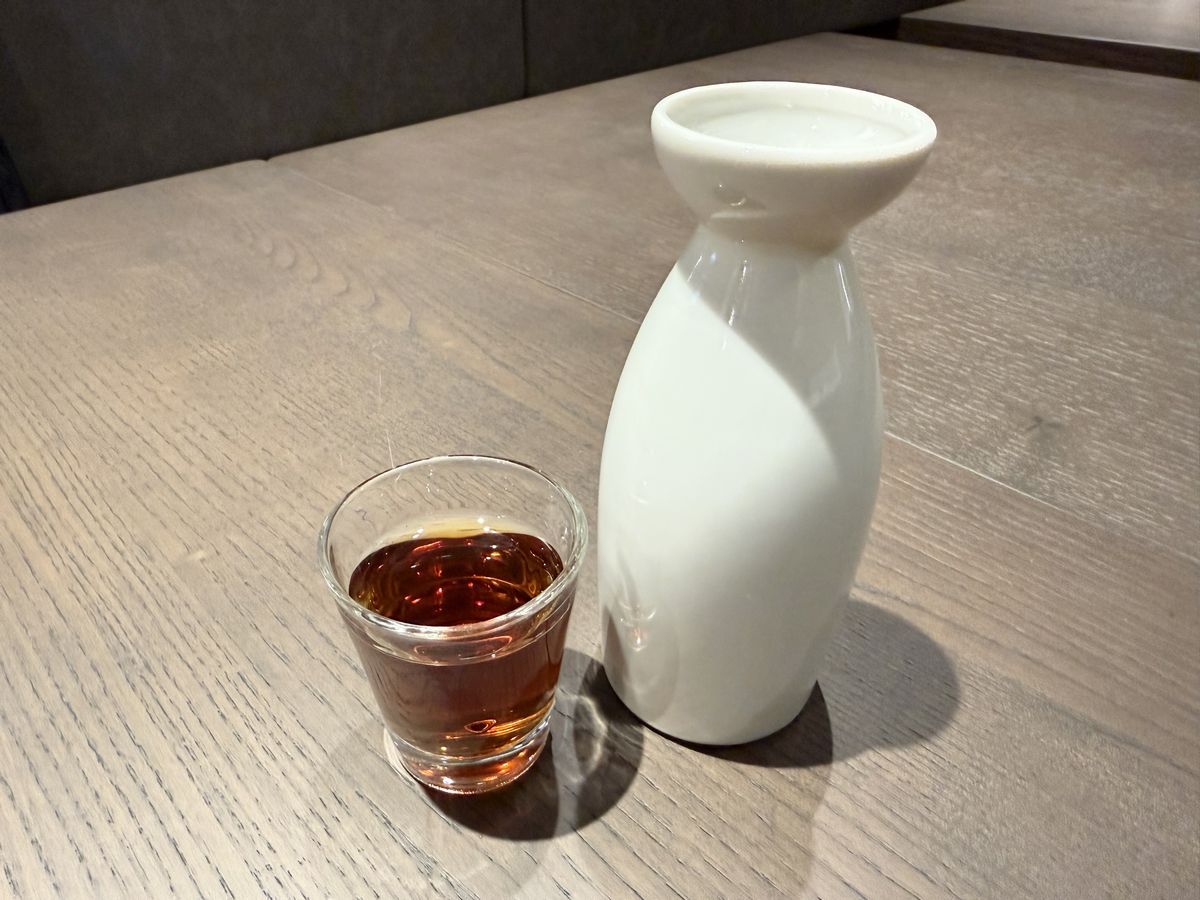
This is a Shaoxing wine alcoholic drink. It has a smooth mouthfeel and a lingering, rich aftertaste, offering a deep flavor profile.
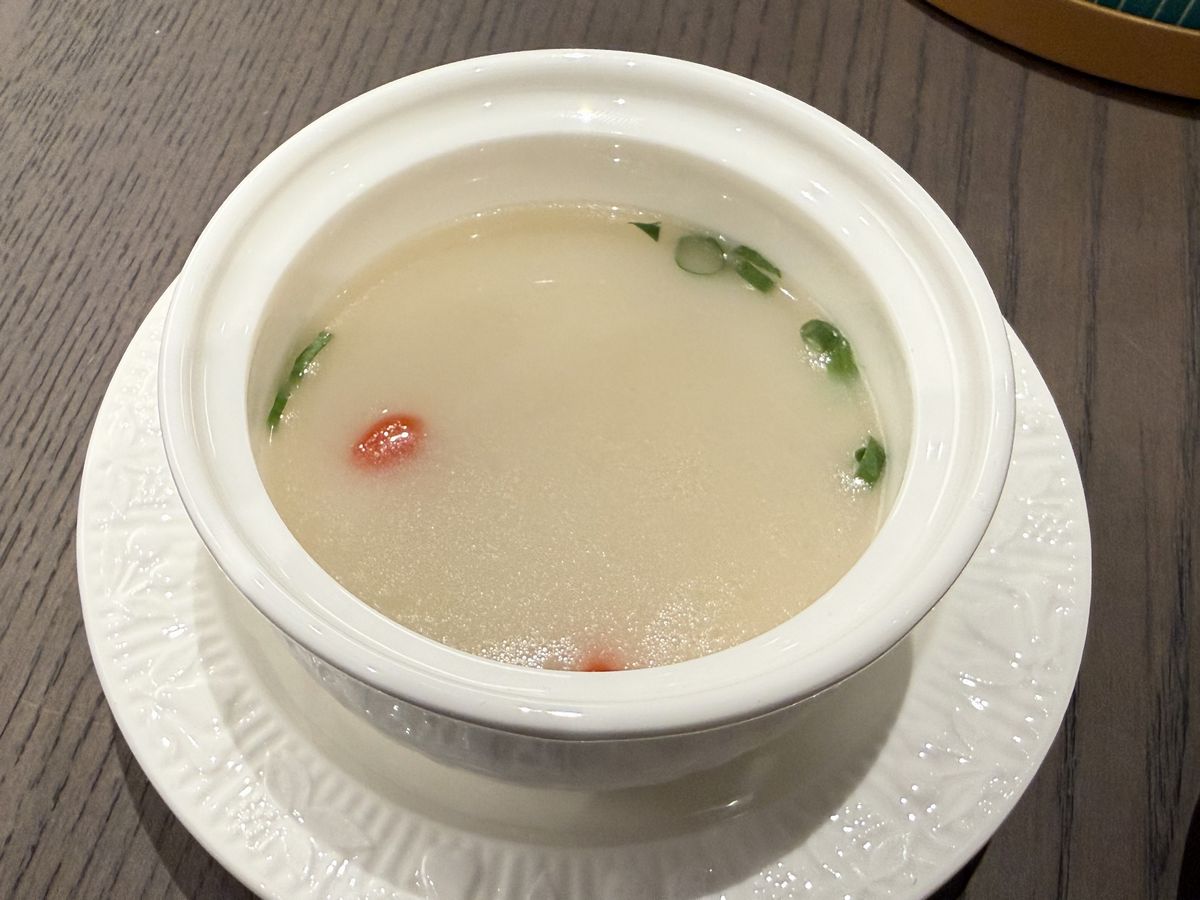
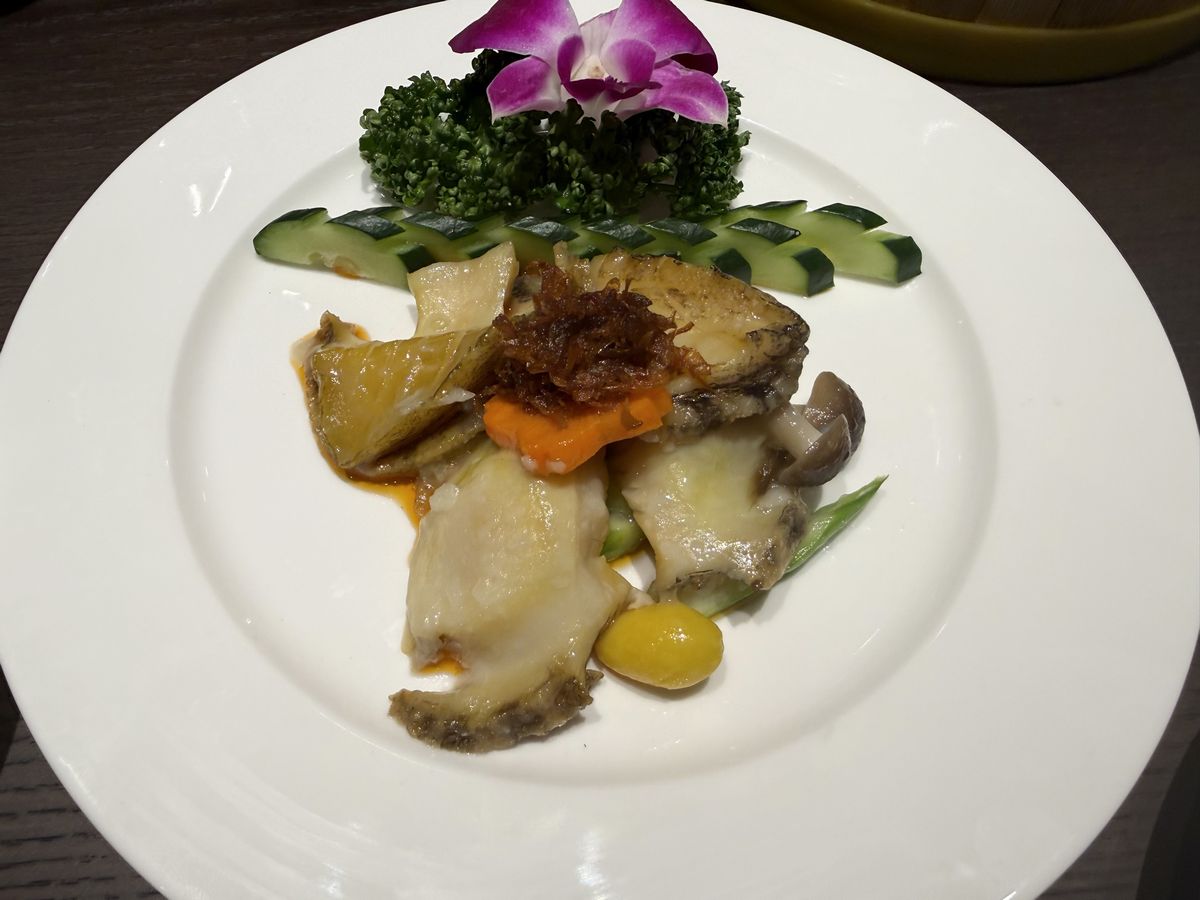
This is a stir-fry of abalone and seasonal vegetables with XO sauce. It offers a delightful contrast between the chewy abalone and the crisp vegetables, with the umami and aroma of XO sauce enveloping the whole dish, creating a luxurious feel.
Minpuku Peking Roast Duck Shop Osaka Namba Main Store
Minpuku Peking Roast Duck Shop Osaka Namba Main Store is a renowned restaurant in Osaka, Japan, specializing in authentic Peking duck. Established to bring traditional Chinese culinary techniques to Japan, it has become a popular destination for both locals and tourists seeking expertly roasted duck carved tableside. The restaurant reflects the cultural exchange between China and Japan, blending classic Beijing-style flavors with the vibrant dining scene of Osaka’s Namba district.
Namba 3-chome, Chuo-ku, Osaka City
Namba 3-chome in Chuo-ku, Osaka City, is a vibrant district known for its bustling entertainment and shopping scene, including landmarks like the iconic Glico Running Man sign and Dotonbori Canal. Historically, this area developed as a commercial hub during the Edo period, later becoming a center for theater and nightlife. Today, it remains a dynamic cultural and tourist destination, blending modern attractions with Osaka’s rich urban heritage.
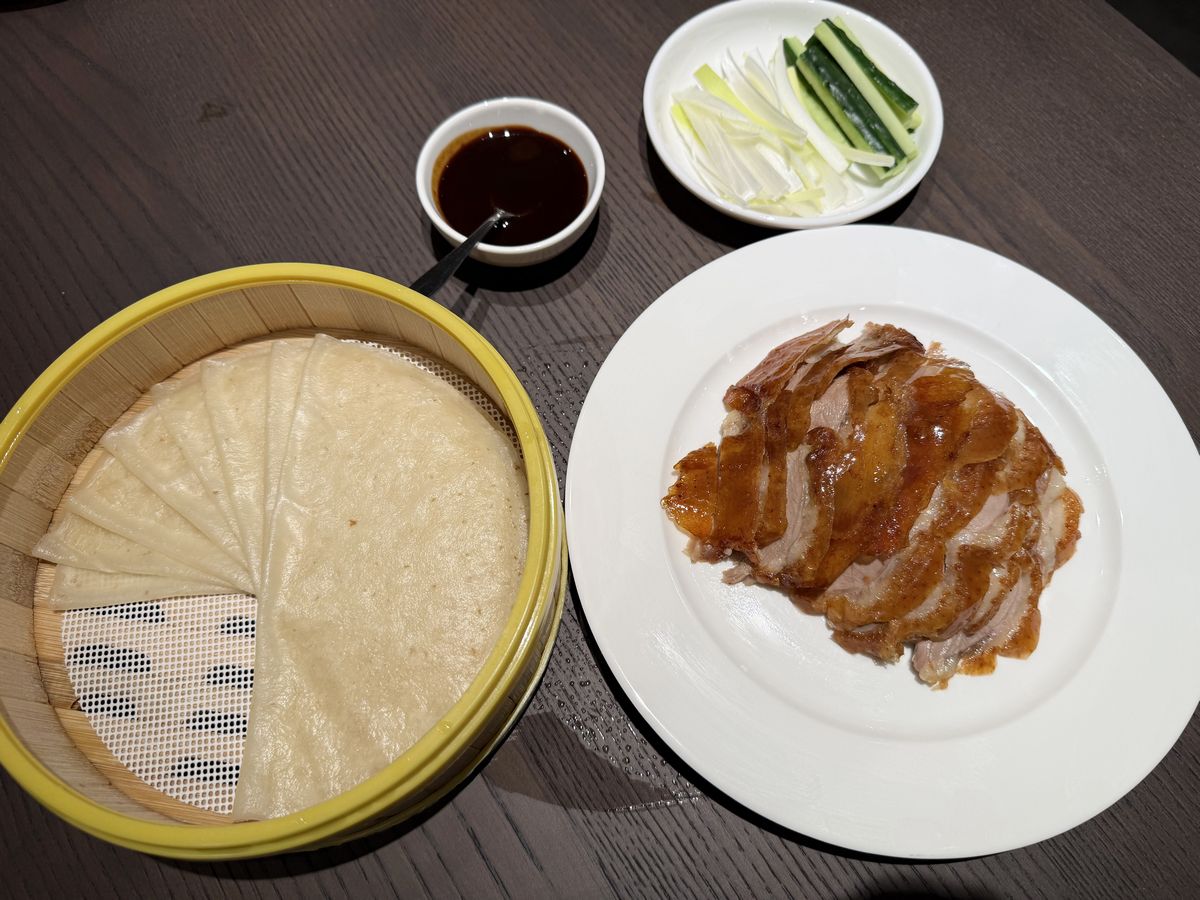
Peking duck
Peking duck is a famous Chinese dish from Beijing, known for its crispy skin and tender meat, often served with pancakes, spring onions, and sweet bean sauce. Its history dates back to the imperial Yuan dynasty, when it was refined in the Ming dynasty’s royal kitchens, becoming a symbol of Chinese culinary art. Today, it remains a celebrated cultural icon, with traditional roasting methods still used in renowned restaurants.
Shaoxing wine
Shaoxing wine is a traditional Chinese rice wine originating from Shaoxing in Zhejiang province, with a history spanning over 2,500 years. It is made from fermented glutinous rice, wheat, and water from the region’s famous Jianhu Lake, and is aged in clay pots to develop its rich, amber color and complex flavor. Widely used in Chinese cooking and as a ceremonial drink, Shaoxing wine remains an iconic symbol of the region’s culinary heritage.
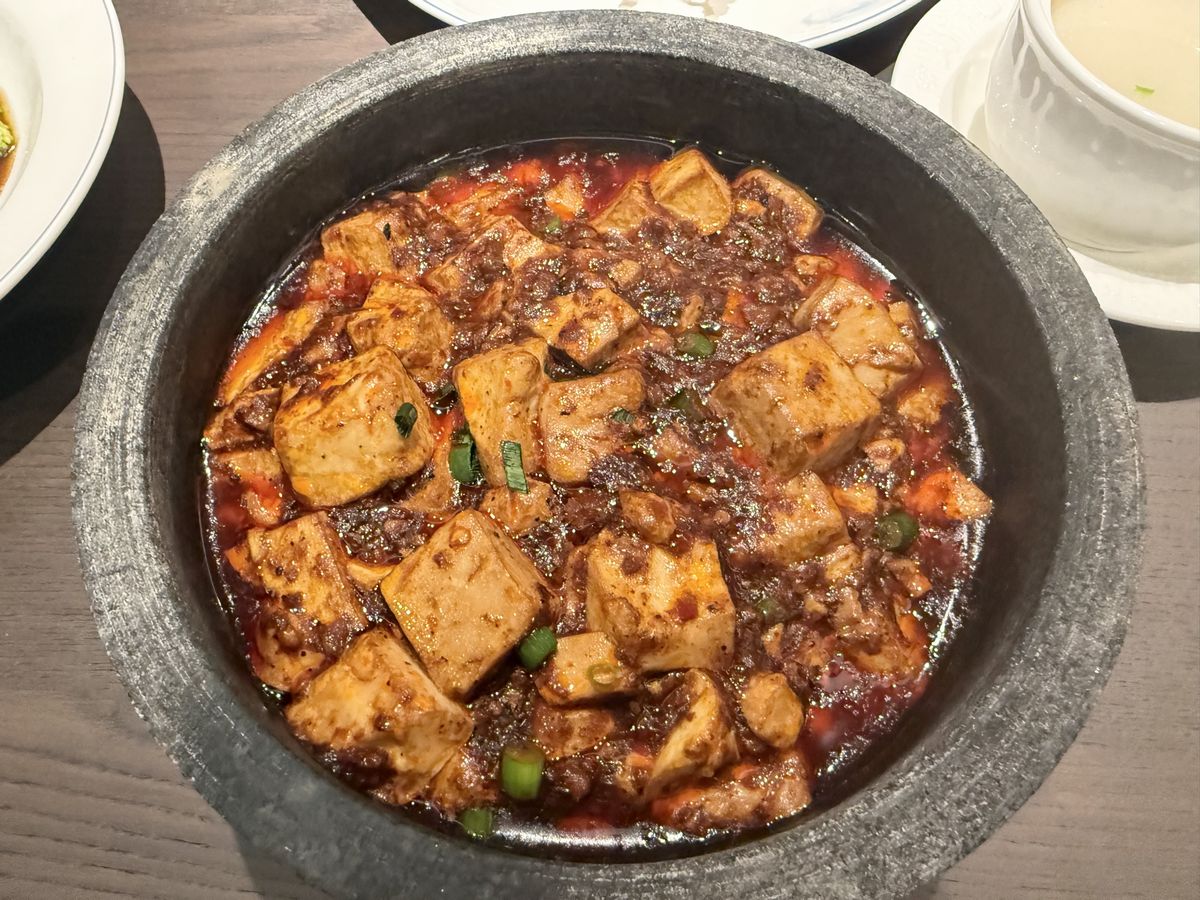
Chen’s mapo tofu
Chen’s Mapo Tofu is a renowned Sichuan dish originating from Chengdu, China, named after its creator, a pockmarked woman known as “Chen Mapo” in the 19th century. The dish features silky tofu in a fiery, numbing sauce made with doubanjiang (fermented bean paste), Sichuan peppercorns, and minced beef, reflecting the bold flavors of Sichuan cuisine. Today, the restaurant Chen Mapo Tofu in Chengdu continues to serve this iconic dish, preserving its historical recipe and cultural significance.
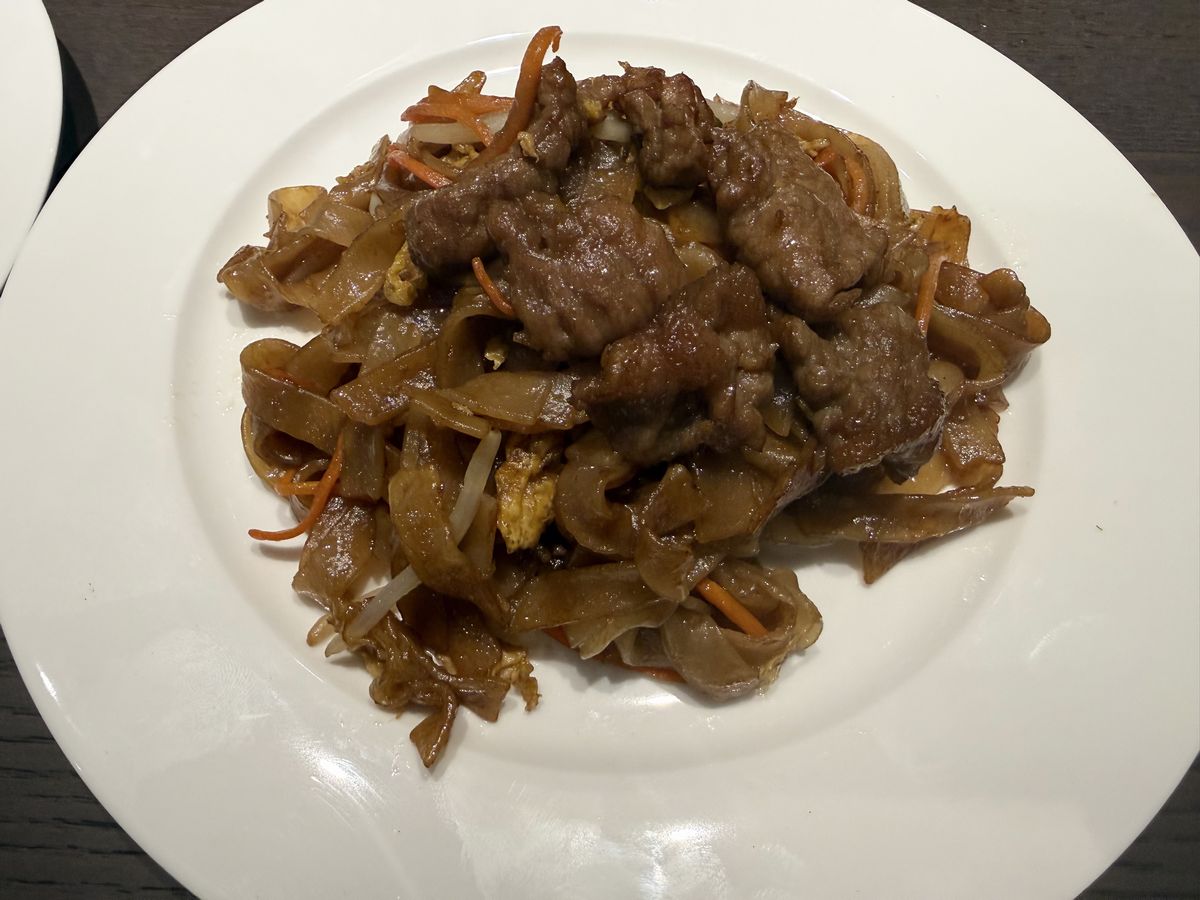
Cantonese-style stir-fried rice noodles with beef
“Cantonese-style stir-fried rice noodles with beef, known as *dry-fried beef ho fun*, is a classic dish from Guangdong, China, featuring silky rice noodles stir-fried with tender beef, bean sprouts, and scallions in a savory soy-based sauce. Its origins trace back to the late Qing dynasty in Guangzhou, where it was popularized by street vendors and later refined in Cantonese restaurants. The dish is celebrated for its smoky *wok hei* flavor and has become a staple of Cantonese cuisine worldwide.”
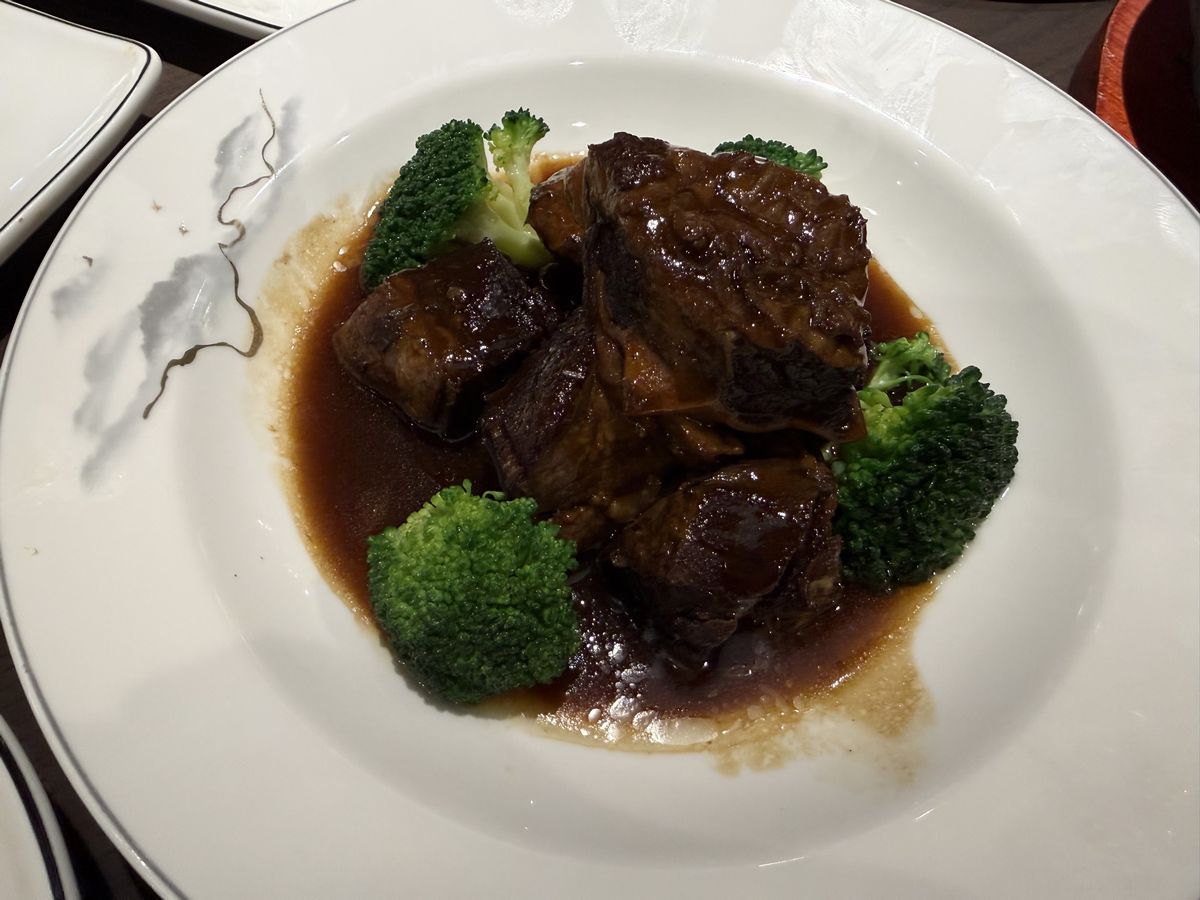
braised beef in soy sauce
“Braised beef in soy sauce” (hong shao niu rou) is a classic Chinese dish with roots in the culinary traditions of the Song Dynasty, over 1,000 years ago. The cooking method involves slowly simmering beef in a rich mixture of soy sauce, sugar, and spices like star anise, creating deep, savory flavors. It remains a beloved comfort food, often served over rice or noodles, and symbolizes the Chinese art of transforming simple ingredients through careful, slow cooking.
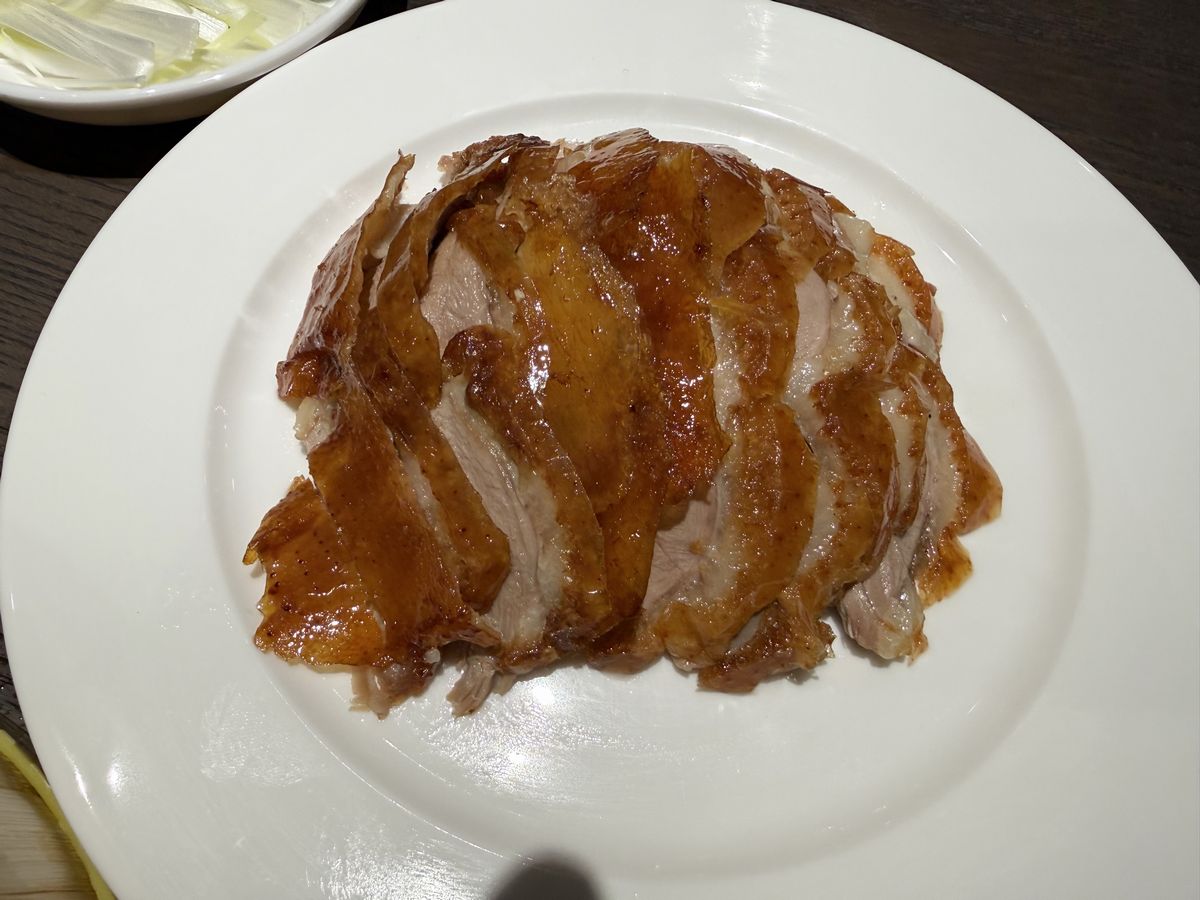
Peking duck
Peking duck is a famous Chinese dish from Beijing, known for its crispy skin and tender meat, traditionally served with pancakes, spring onions, and sweet bean sauce. Its history dates back to the imperial Yuan dynasty, with the dish being refined during the Ming and Qing dynasties for the emperor’s court. Today, it remains a symbol of Chinese culinary culture, celebrated worldwide for its meticulous preparation and rich flavor.