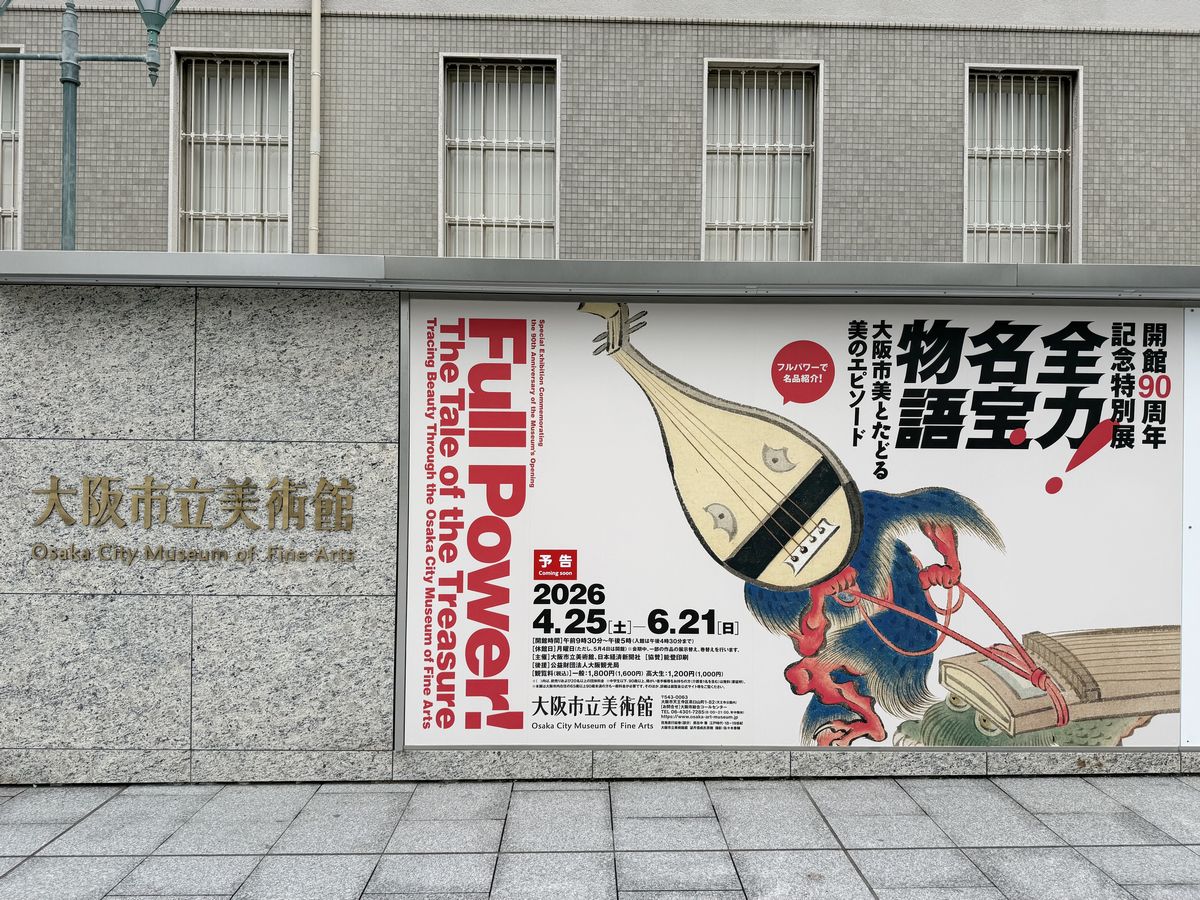
The 90th Anniversary Special Exhibition “All-Out Treasure Stories — Exploring Beauty with Osaka City Museum” runs until June 21st at Osaka City Museum in Tennoji Ward, Osaka.
From Saturday, April 25, 2026 to Sunday, June 21, 2026, the Osaka City Museum of Fine Arts in Tennoji Ward, Osaka City, is holding a special exhibition commemorating its 90th anniversary: “All Out! Masterpiece Stories — Exploring Art Episodes with Osaka City Museum of Fine Arts.” This time, we were allowed to attend a special press preview held before the opening.
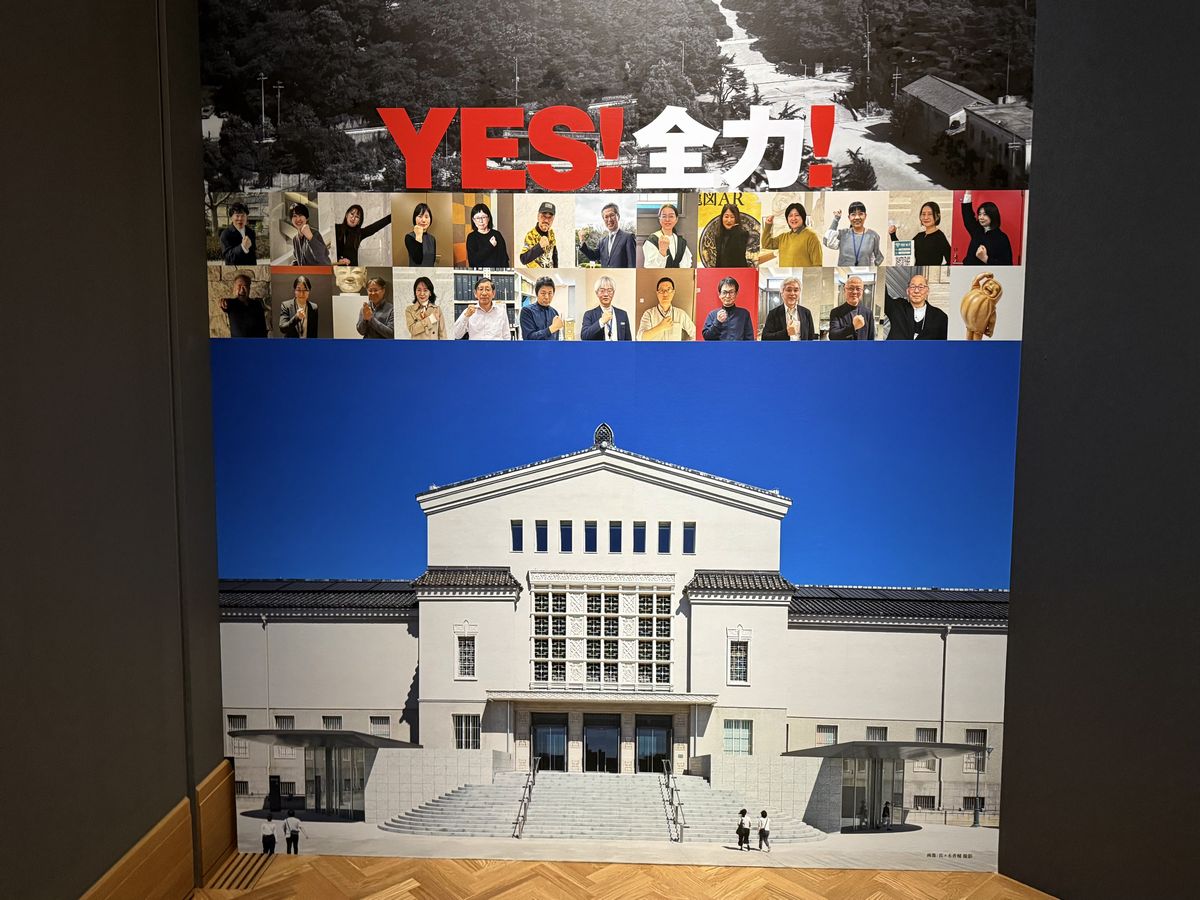
According to the explanation from the staff, the special exhibition “All Out! Masterpiece Stories — Exploring Art Episodes with Osaka City Museum of Fine Arts” commemorates the museum’s 90th anniversary. It focuses on displaying many of the museum’s collection and deposited masterpieces, introducing the stories woven around the museum, the stories entrusted to art, and the stories of art’s creation and future prospects.
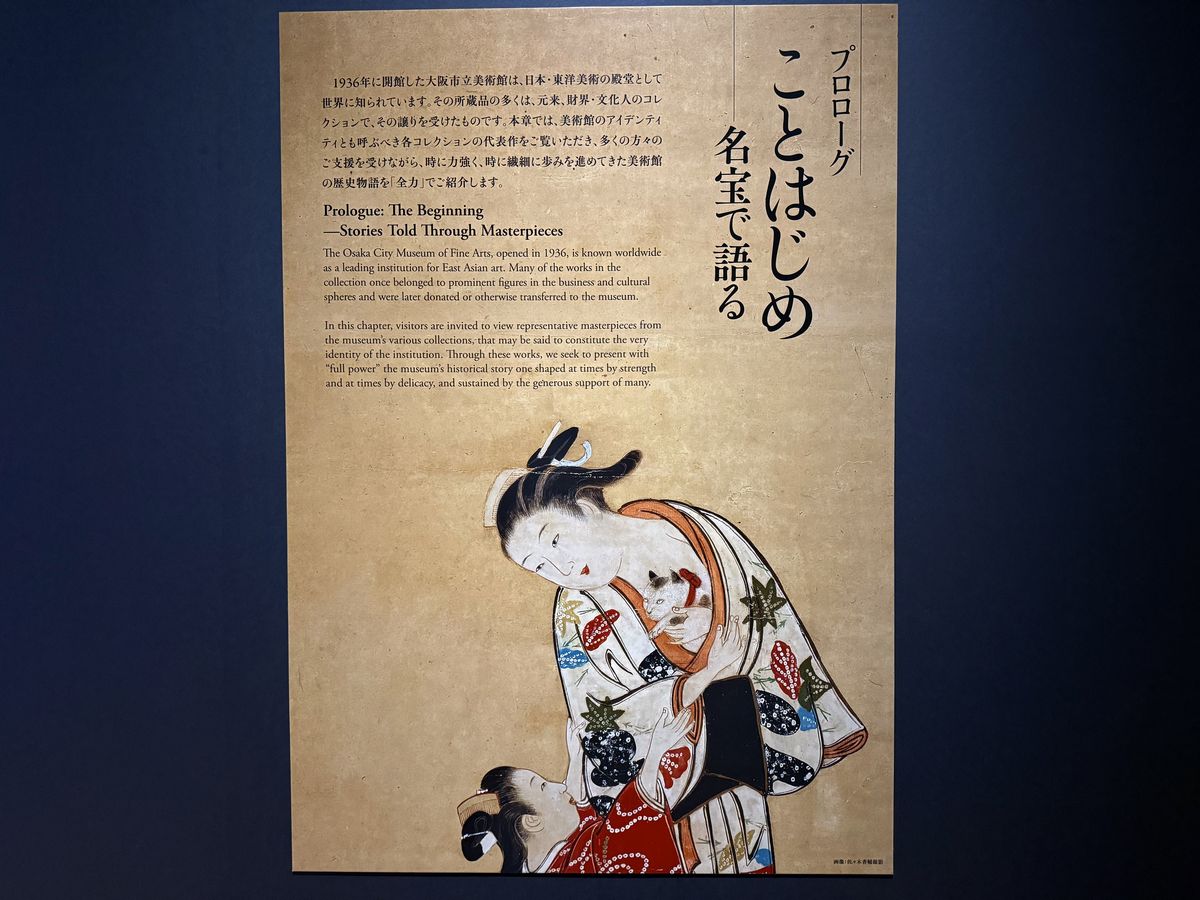
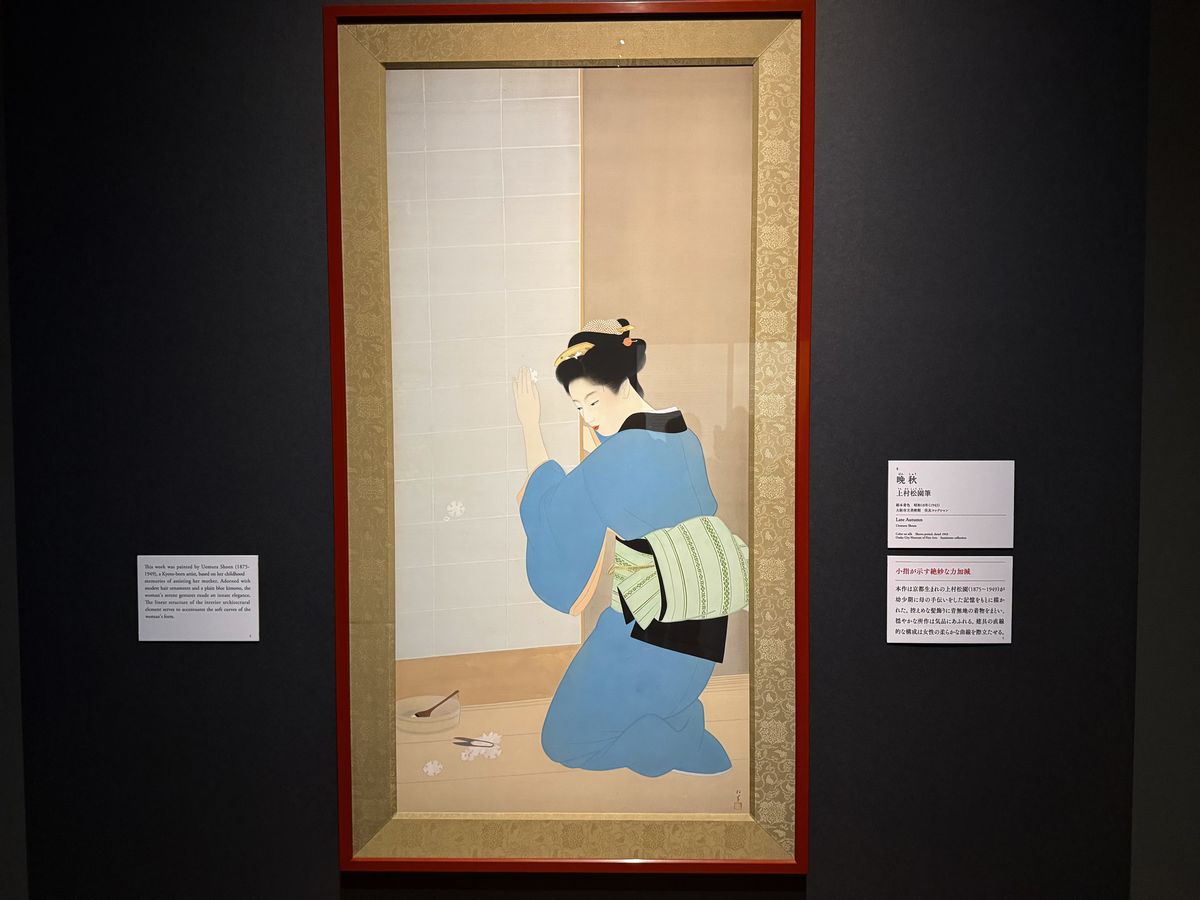
Each chapter has its own exhibition area. The prologue, titled “The Beginning: Telling Stories with Masterpieces,” displays representative works from each collection that can be called the museum’s identity.“Late Autumn” by Uemura Shōen, 1943, Osaka City Museum of Fine Arts, Sumitomo Collection, Full Term
This is a work by Uemura Shōen, a master of Japanese painting active from the Meiji to Showa periods, and a female painter.
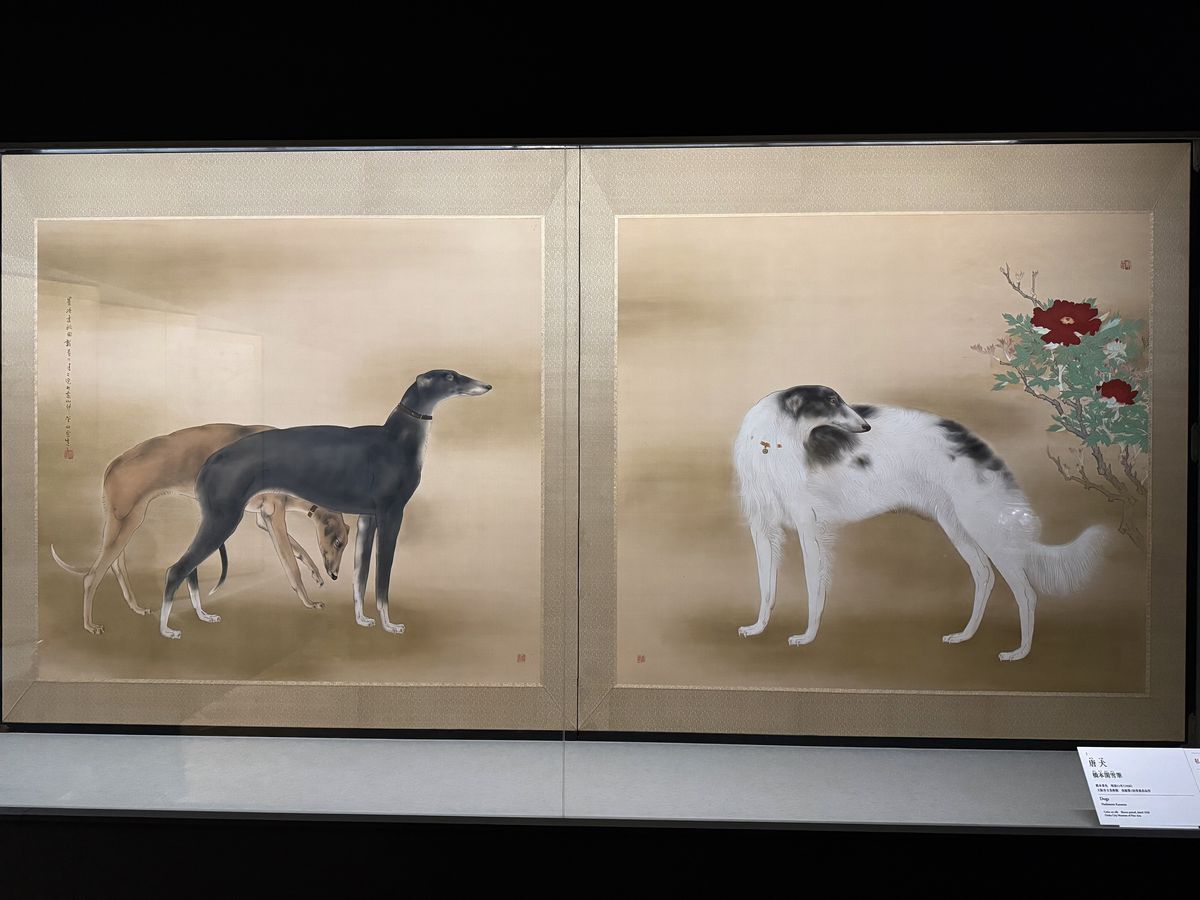
“Chinese Dog” by Hashimoto Kansetsu, 1936, Osaka City Museum of Fine Arts, exhibited at the 1st Reorganized Teiten Exhibition, Full Term
This is a work by Hashimoto Kansetsu, a Japanese painter representing the Kyoto art scene of the Taisho and Showa periods.
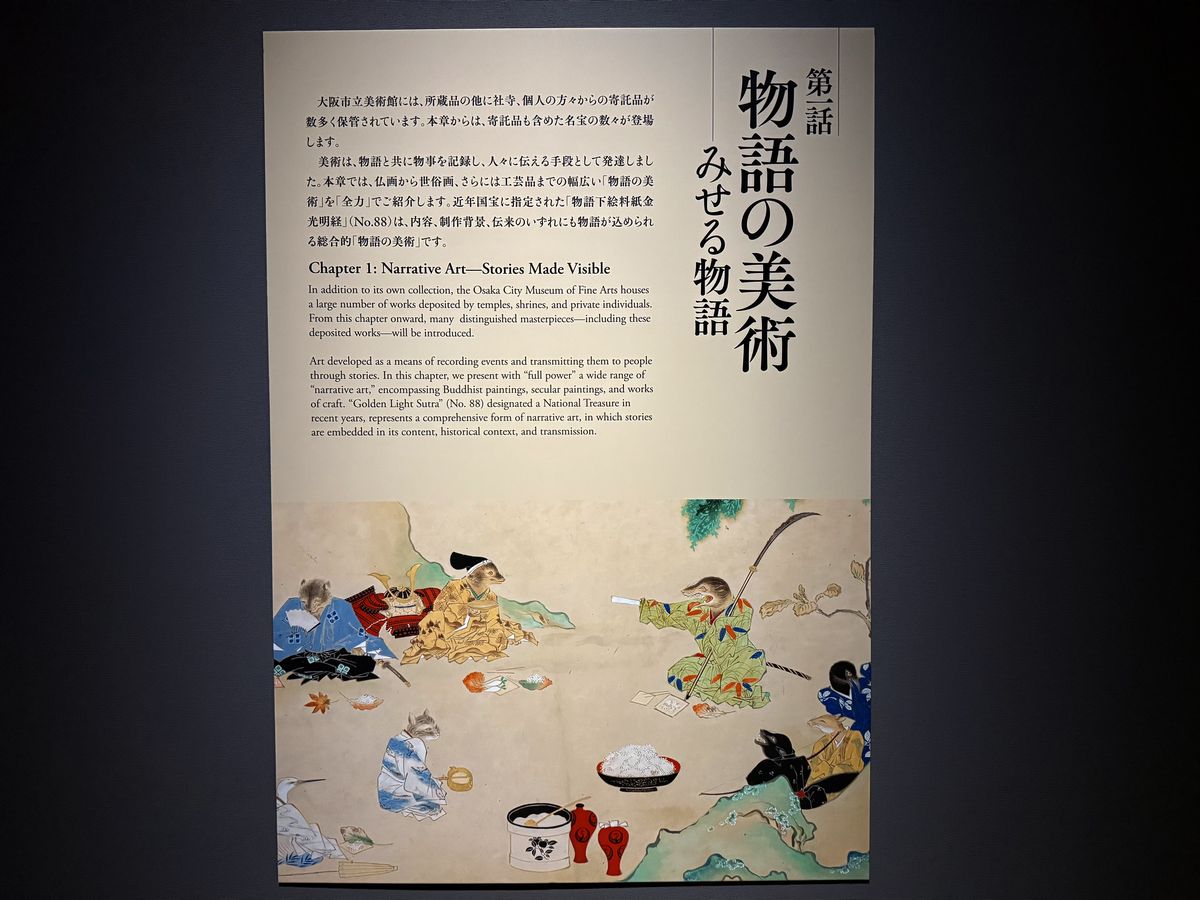
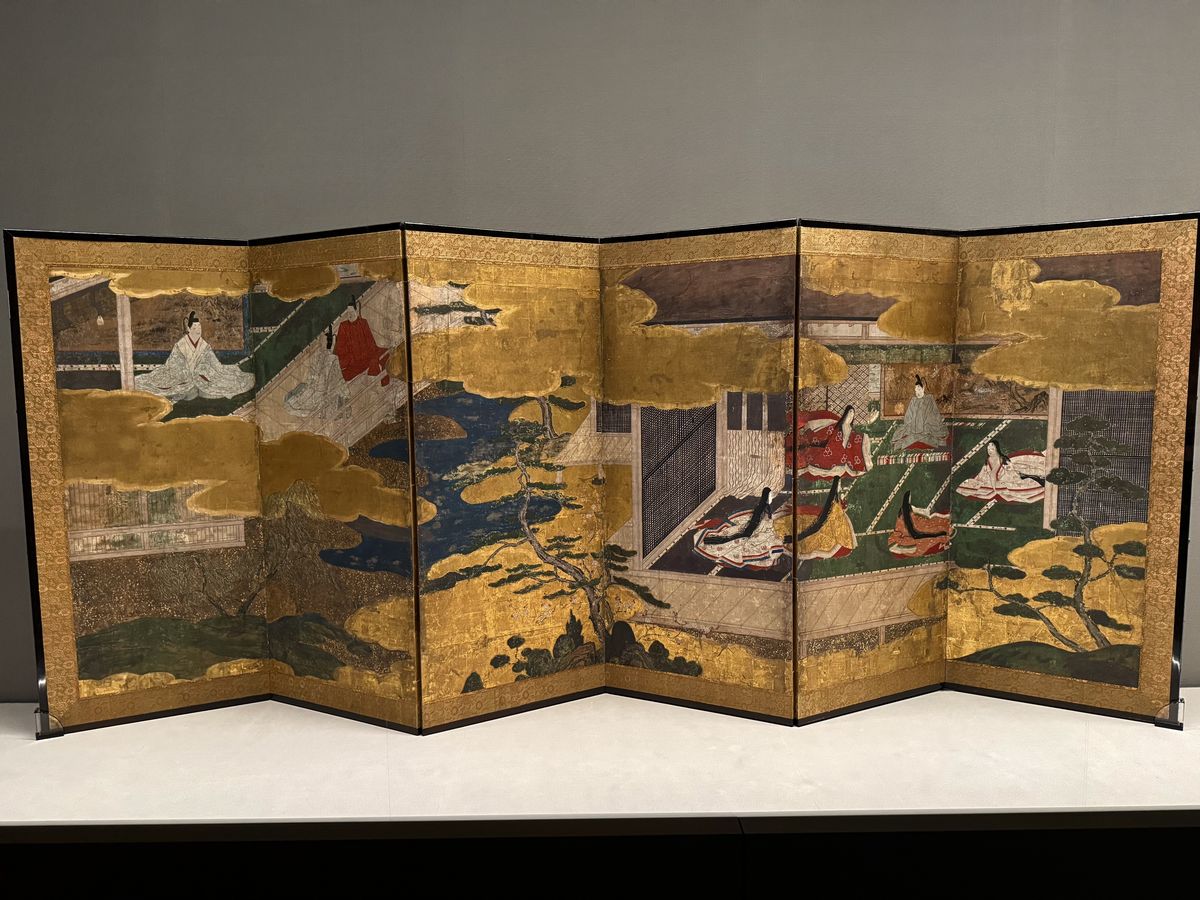
Chapter One is “Art of Stories: Displaying Narratives,” featuring narrative art such as Buddhist paintings, secular paintings, and crafts.“The Tale of Genji Screen,” Momoyama period, 16th–17th century, Osaka City Museum of Fine Arts, First Half
This is a Japanese painting screen depicting scenes from “The Tale of Genji” written by Murasaki Shikibu.
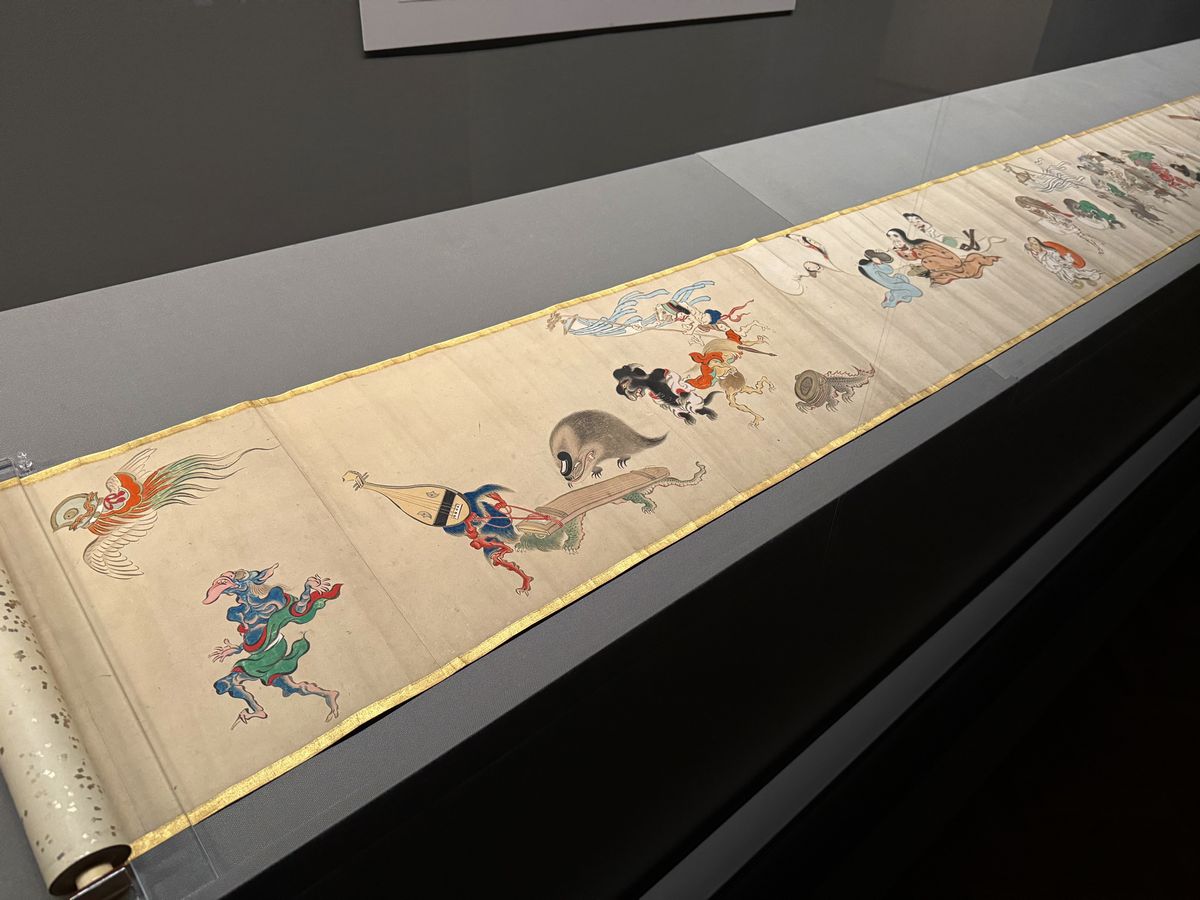
“Night Parade of One Hundred Demons Handscroll” by Hara Zaichū, Edo period, 18th–19th century, Osaka City Museum of Fine Arts, donated by Mochizuki Nobushige, Full Term (with scroll changes)
This is a work by Hara Zaichū, a painter active in Kyoto during the late Edo period.
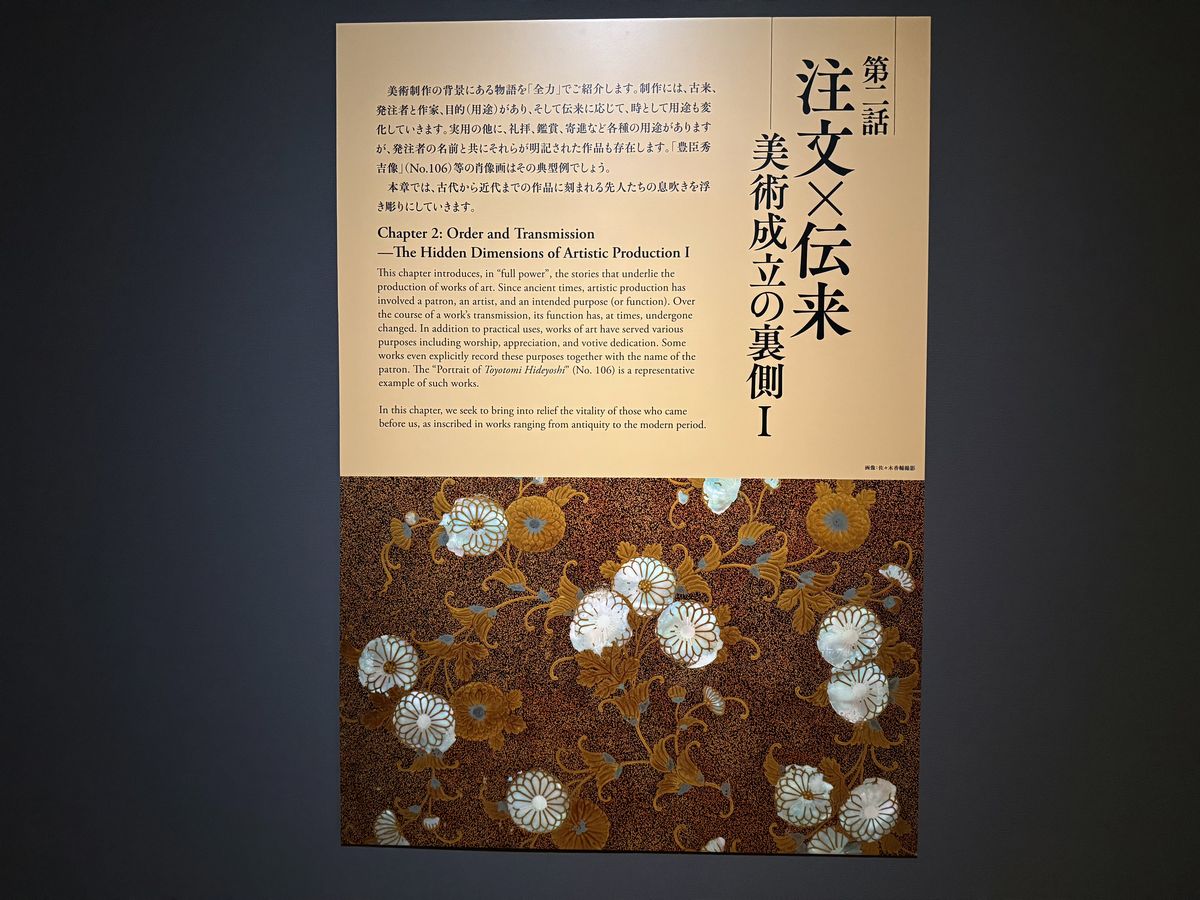
Chapter Two is “Commission & Transmission: The Inside Story of Art Creation I,” displaying the breath of predecessors and the stories behind art production in works from ancient to modern times.<img alt="" src="https://asiacity.news/wp-content
Osaka City Museum of Fine Arts
The Osaka City Museum of Fine Arts, located in Tennoji Park, opened in 1936 and is renowned for its collection of Japanese and East Asian art, including Buddhist sculptures, paintings, and ceramics. Its history dates back to a donation of over 100 works by the wealthy Sumitomo family, forming the core of the museum’s permanent collection. The museum has since expanded its holdings and continues to host special exhibitions, making it a key cultural institution in Osaka.
Tennoji Ward
Tennoji Ward is a historic district in Osaka, Japan, named after the Tennoji Temple (Shitennoji), one of the country’s oldest Buddhist temples, founded in 593 AD by Prince Shotoku. The area flourished as a cultural and religious hub during the Asuka period and later developed into a modern urban center, blending ancient landmarks like the temple and the Tennoji Zoo with contemporary attractions such as the Abeno Harukas skyscraper. Today, it remains a vibrant neighborhood that showcases Osaka’s rich heritage alongside its dynamic growth.
Osaka City
Osaka is a major city in Japan known for its vibrant food culture and historical significance as a key commercial hub. Originally called Naniwa, it served as Japan’s first capital in the 7th century and later flourished as a merchant city during the Edo period. Today, Osaka blends modern attractions like Universal Studios Japan with historic landmarks such as Osaka Castle.
The Tale of Genji Screen
The Tale of Genji Screen refers to a pair of Japanese folding screens (byōbu) that depict scenes from *The Tale of Genji*, a classic 11th-century novel by Murasaki Shikibu. Created during the Edo period, these screens illustrate key episodes from the story, reflecting the Heian court culture and aesthetic ideals. They are celebrated as masterpieces of Japanese art, blending literature, painting, and decorative craftsmanship.