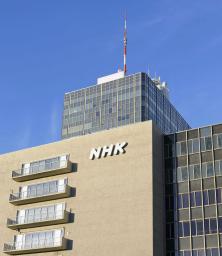
NHK announced on the 23rd that it will impose a disciplinary dismissal effective on the 30th for a male chief director (50) of the sports information program department, who was arrested by the Tokyo Metropolitan Police on suspicion of non-consensual sexual intercourse with an unfamiliar woman and later not indicted. In addition to the indecent act against the woman, an internal NHK investigation revealed multiple instances of inappropriate behavior during working hours.
The man admitted to committing indecent acts against the woman but claimed they were consensual. Upon being informed of the disciplinary action, he reportedly said, “I am very sorry.”
According to NHK and other sources, in January, after reporting the start of work from home, the male director moved to the NHK Broadcasting Center in Shibuya Ward, Tokyo. During the commute, he approached a woman on the street and engaged in indecent acts, leading to an incident and his arrest in March.
Additionally, during working hours, he met with individuals unrelated to work and had meals with family, filming these activities using his work smartphone and storing the videos and photos. More than ten instances of private inappropriate behavior during working hours were confirmed.
NHK stated, “We deeply apologize to our viewers. We will thoroughly re-enforce compliance.”
NHK Broadcasting Center
The NHK Broadcasting Center, located in Tokyo’s Shibuya district, is the headquarters of Japan’s public broadcaster, NHK (Nippon Hōsō Kyōkai). Established in 1973 as a state-of-the-art facility, it replaced an earlier site and has since served as the central hub for radio and television production, including news, dramas, and cultural programming. The center is also notable for hosting NHK Hall, a major venue for concerts and events like the prestigious Kōhaku Uta Gassen New Year’s Eve show.
Shibuya
Shibuya is a bustling commercial and entertainment district in Tokyo, Japan, famous for its iconic “Scramble Crossing” where hundreds of pedestrians cross in all directions at once. Historically, it developed from a small village into a major railway hub in the early 20th century, and after World War II, it grew into a vibrant center for youth culture, fashion, and nightlife. Today, it remains a symbol of modern Tokyo, known for its neon lights, shopping, and the loyal statue of Hachikō the dog.
Tokyo
Tokyo, the capital of Japan, is a sprawling metropolis that seamlessly blends ultramodern skyscrapers with historic temples and shrines. Originally a small fishing village named Edo, it became the political center of Japan in 1603 under the Tokugawa shogunate and was renamed Tokyo (“Eastern Capital”) in 1868 after the Meiji Restoration. Today, it stands as a global hub for technology, culture, and cuisine, preserving landmarks like the Imperial Palace and Senso-ji Temple alongside vibrant districts like Shibuya and Akihabara.