It’s happening!
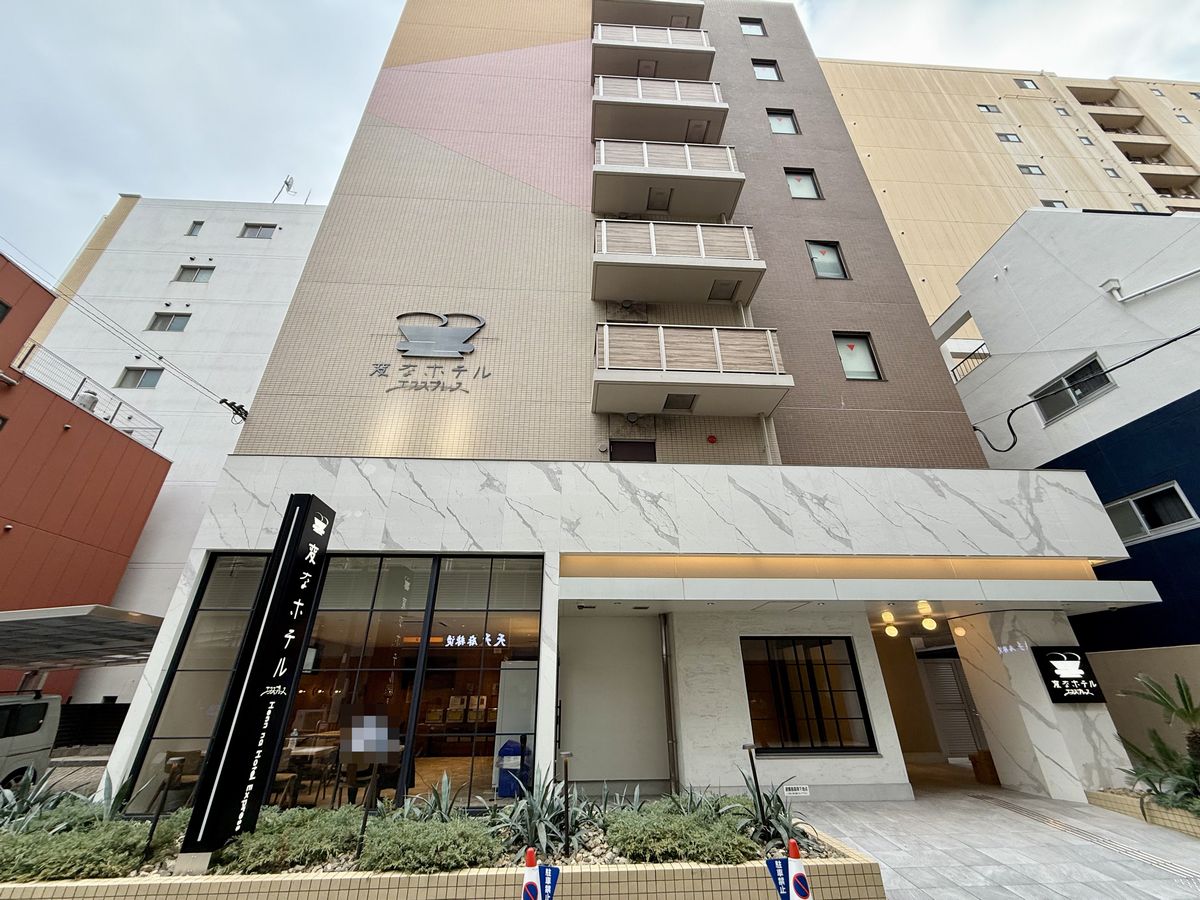
We were specially invited to a pre-opening media preview!
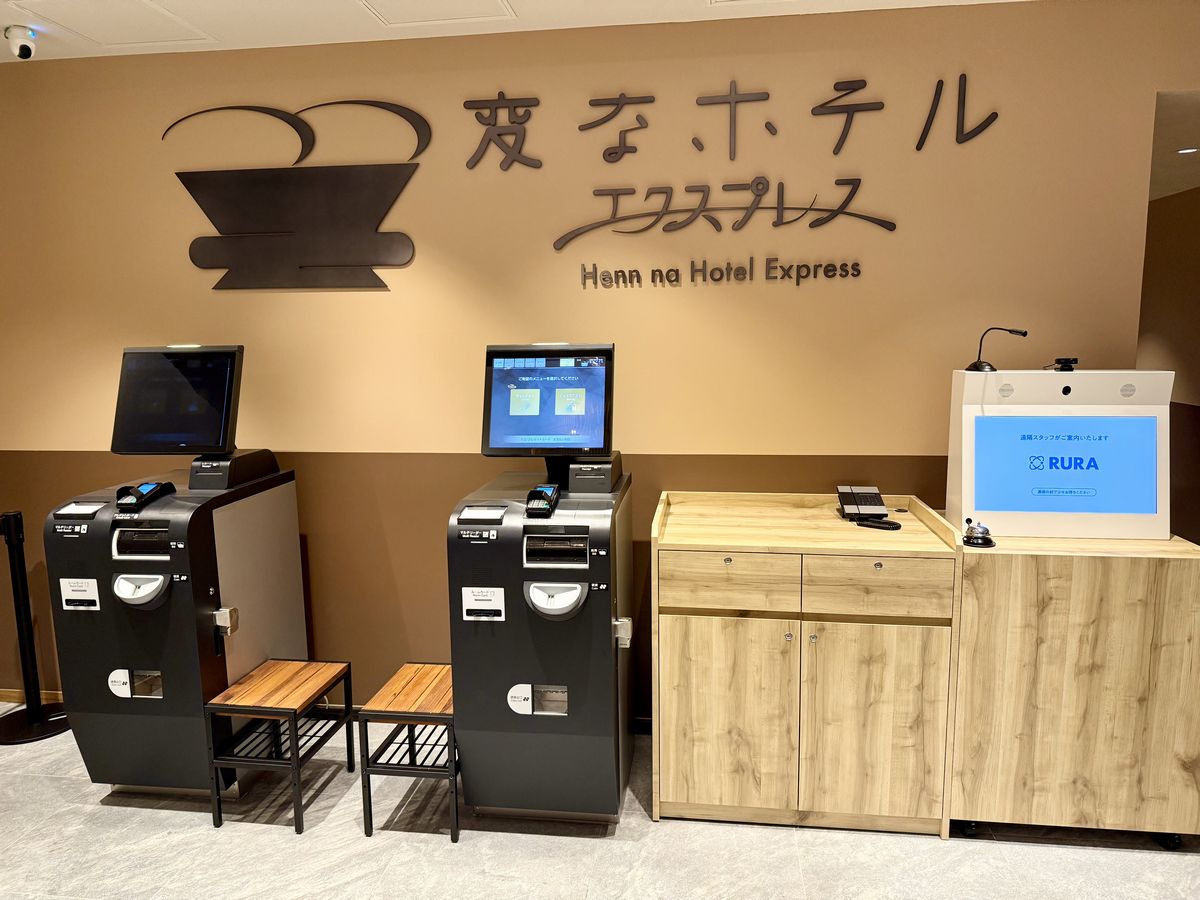
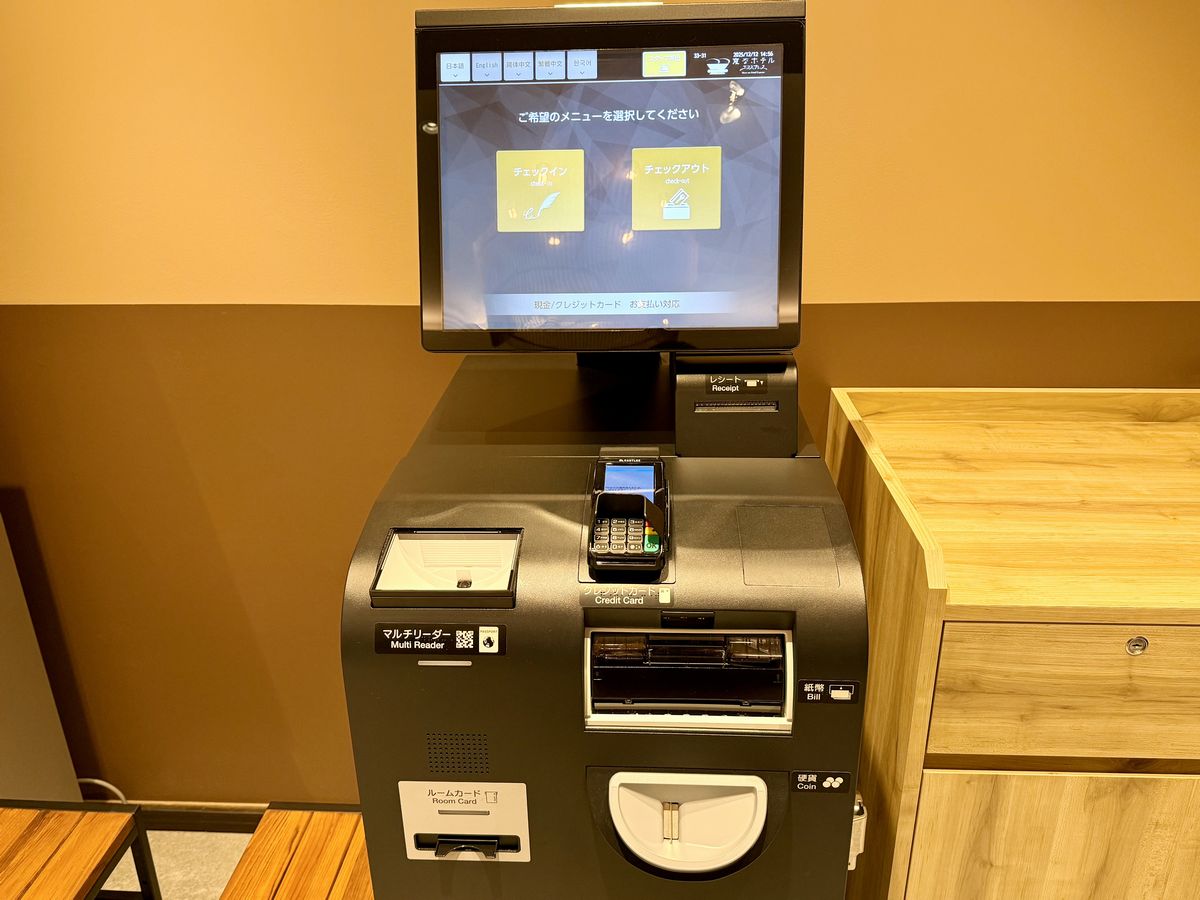
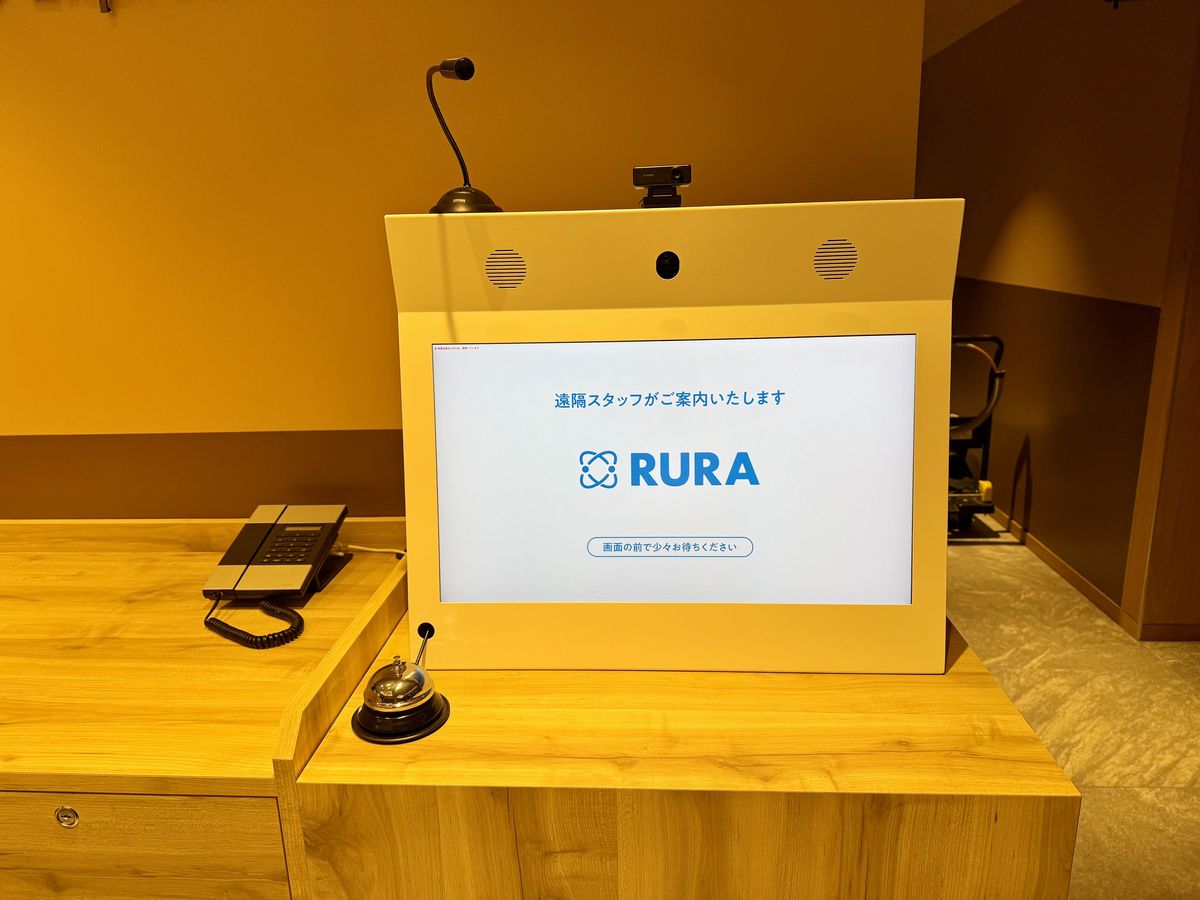
‘Henna Hotel Express Osaka Namba Nipponbashi’ introduces an unmanned system that does not include entertainment elements like robots or light holograms found in traditional ‘Henna Hotels,’ focusing instead on streamlining procedures.
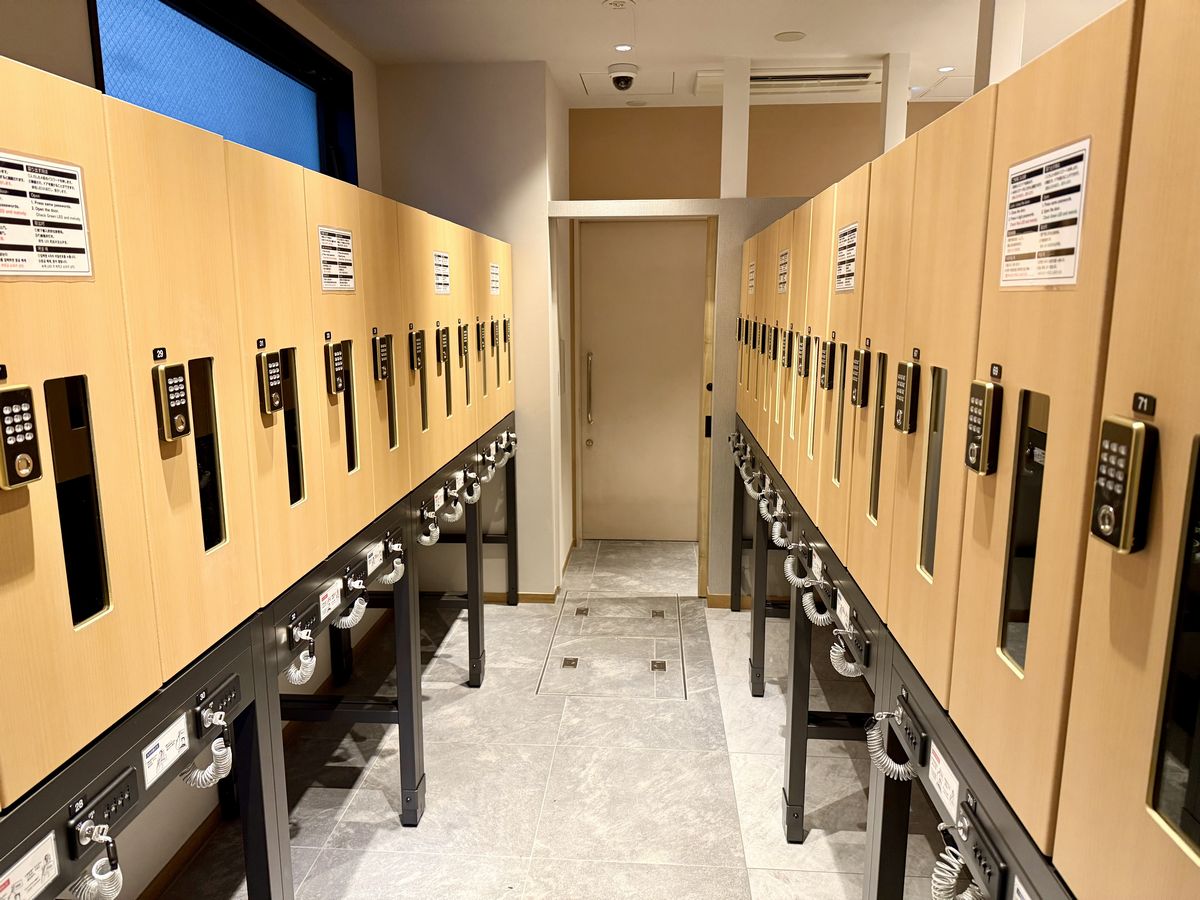
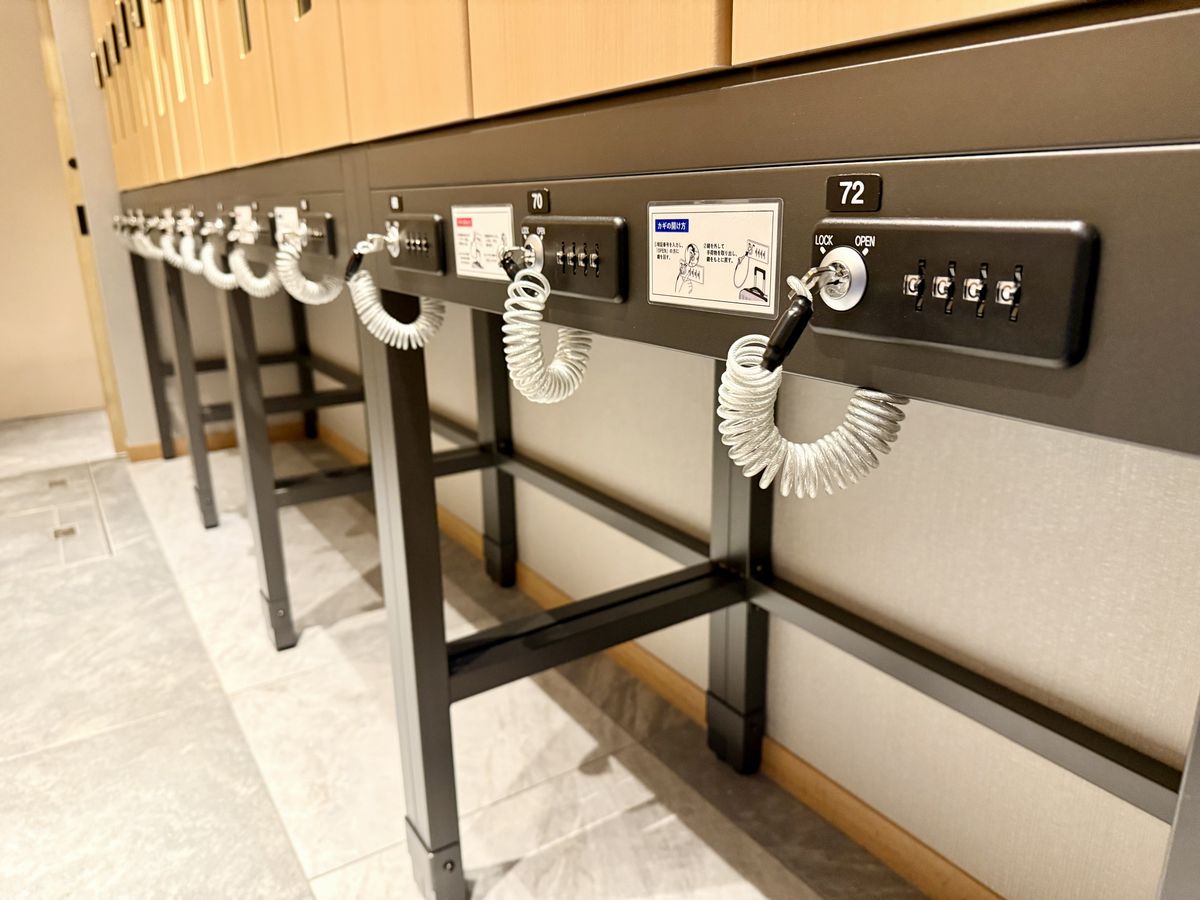
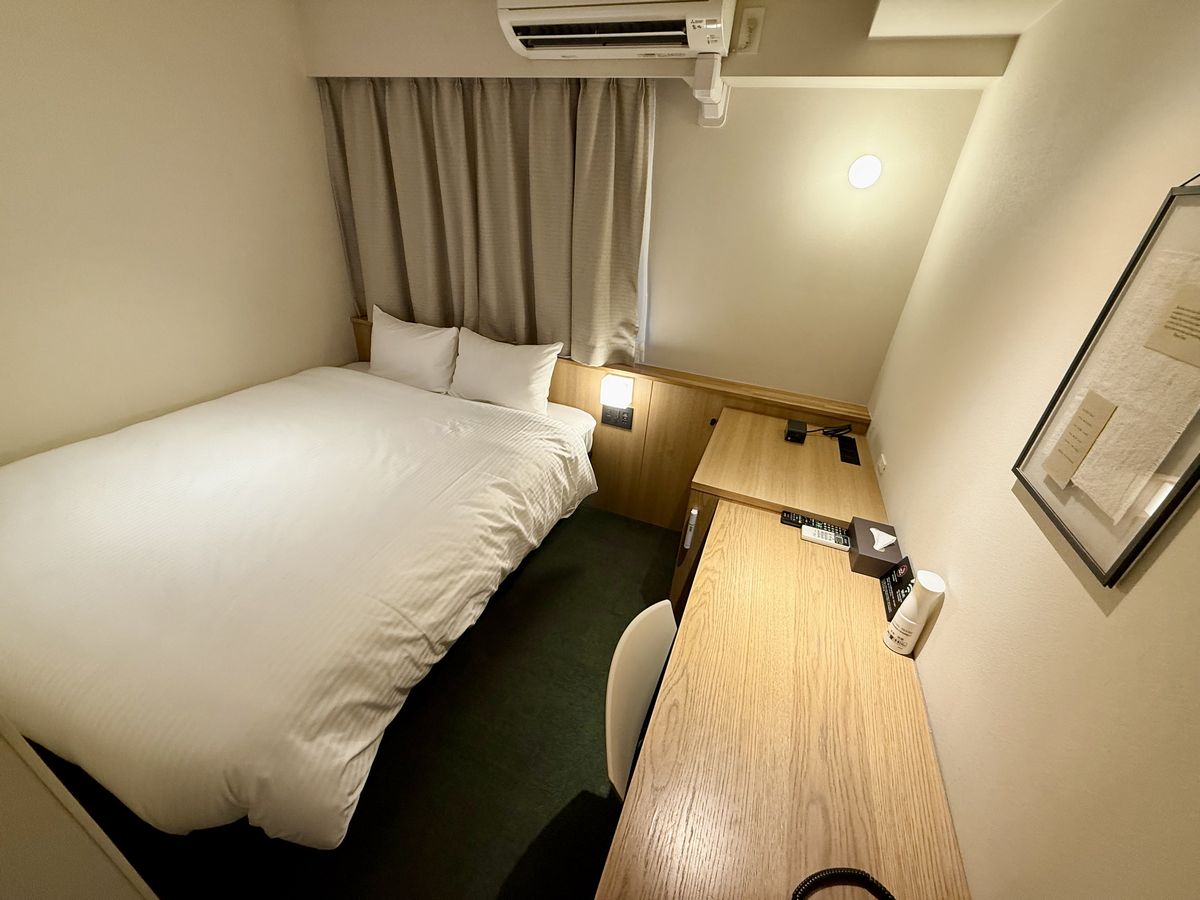
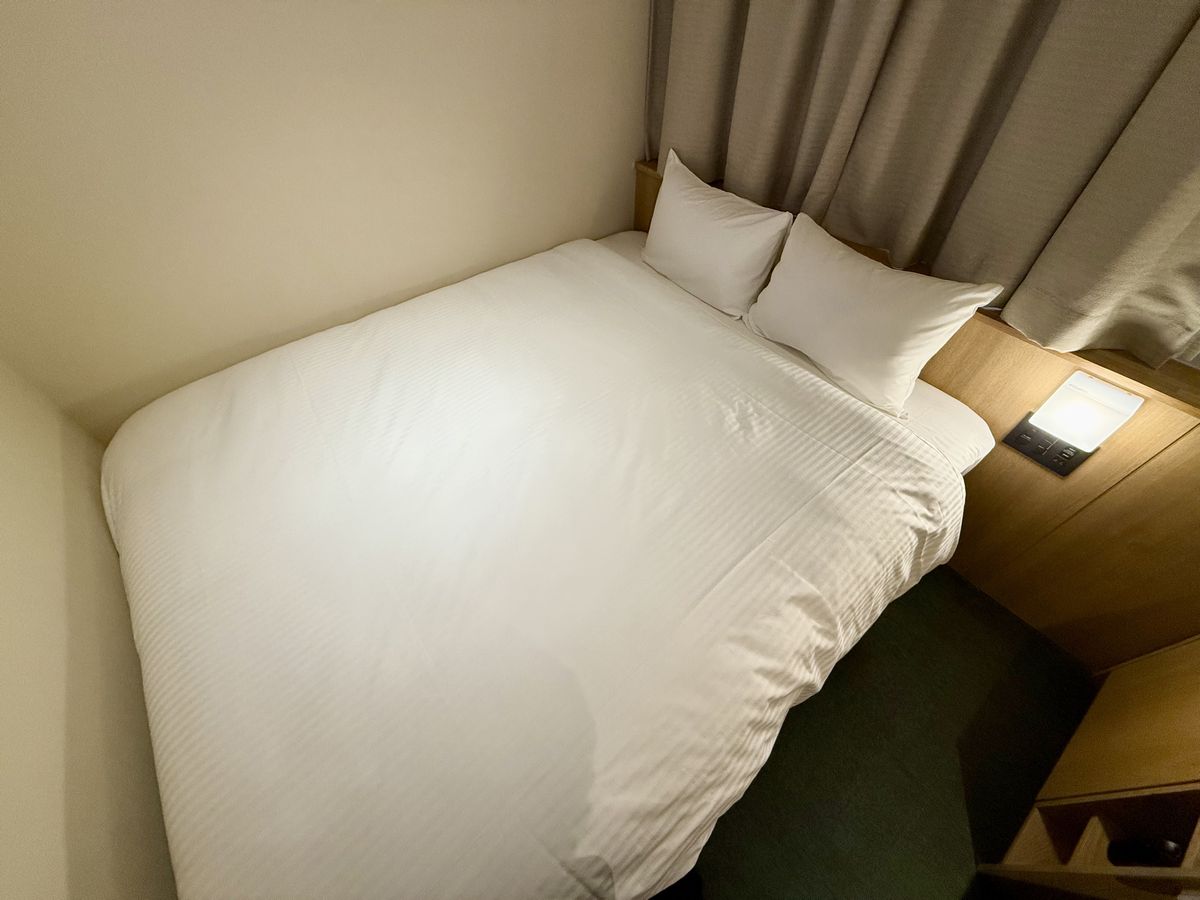
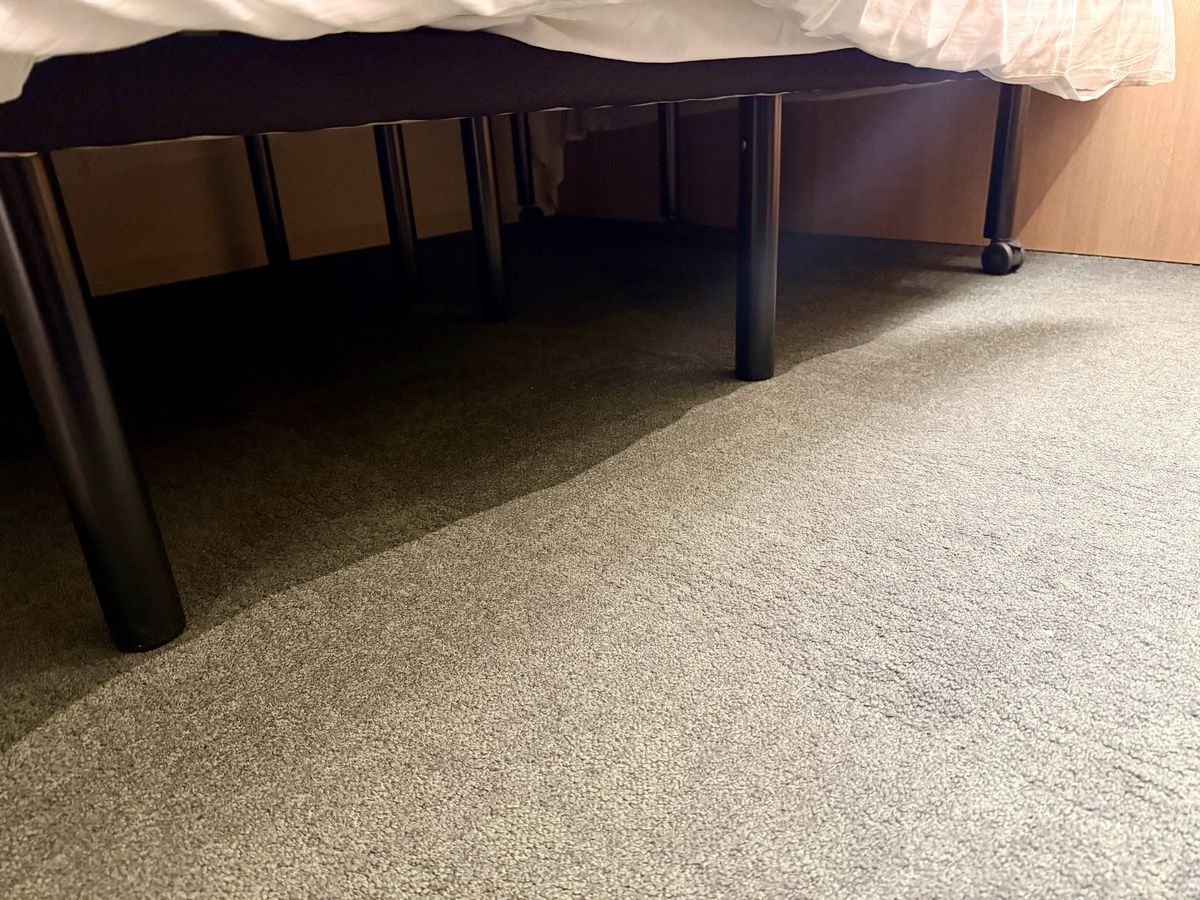
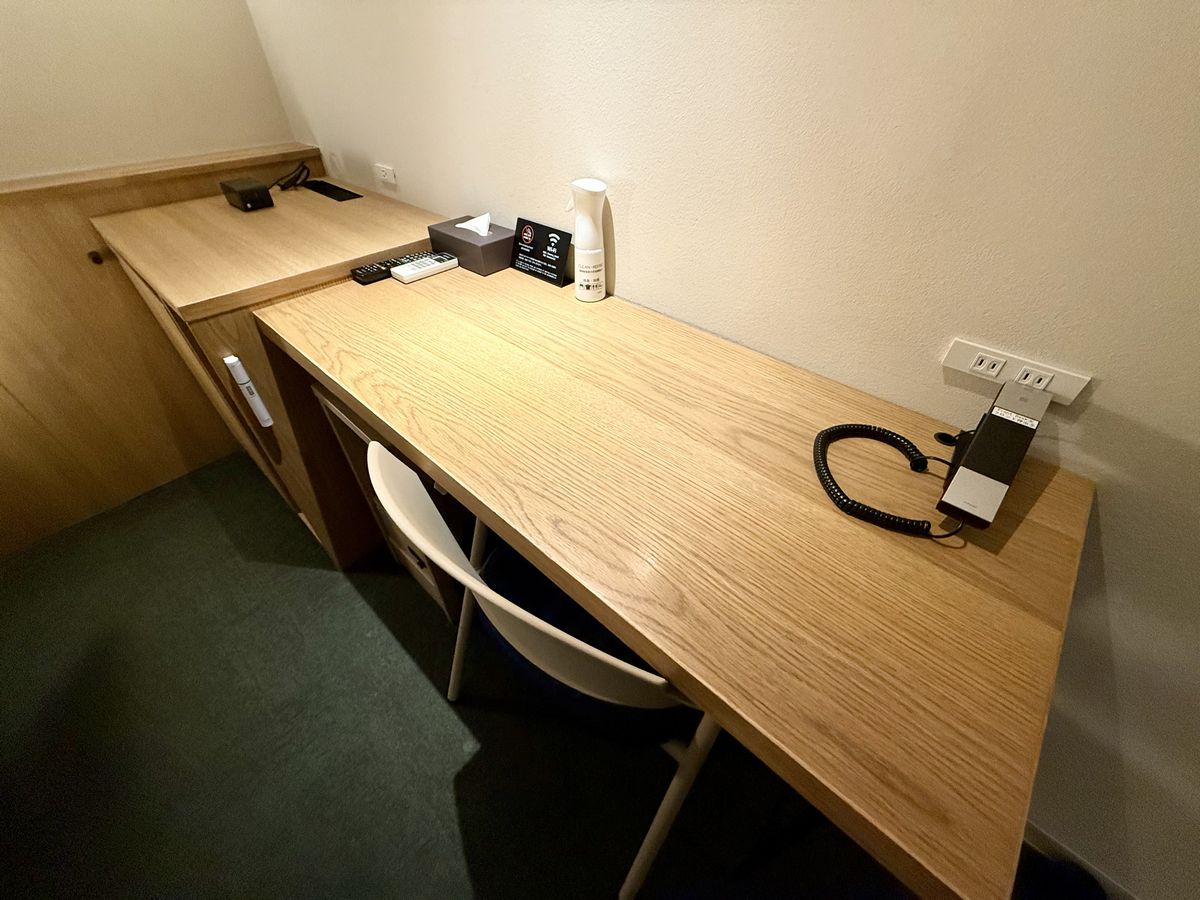
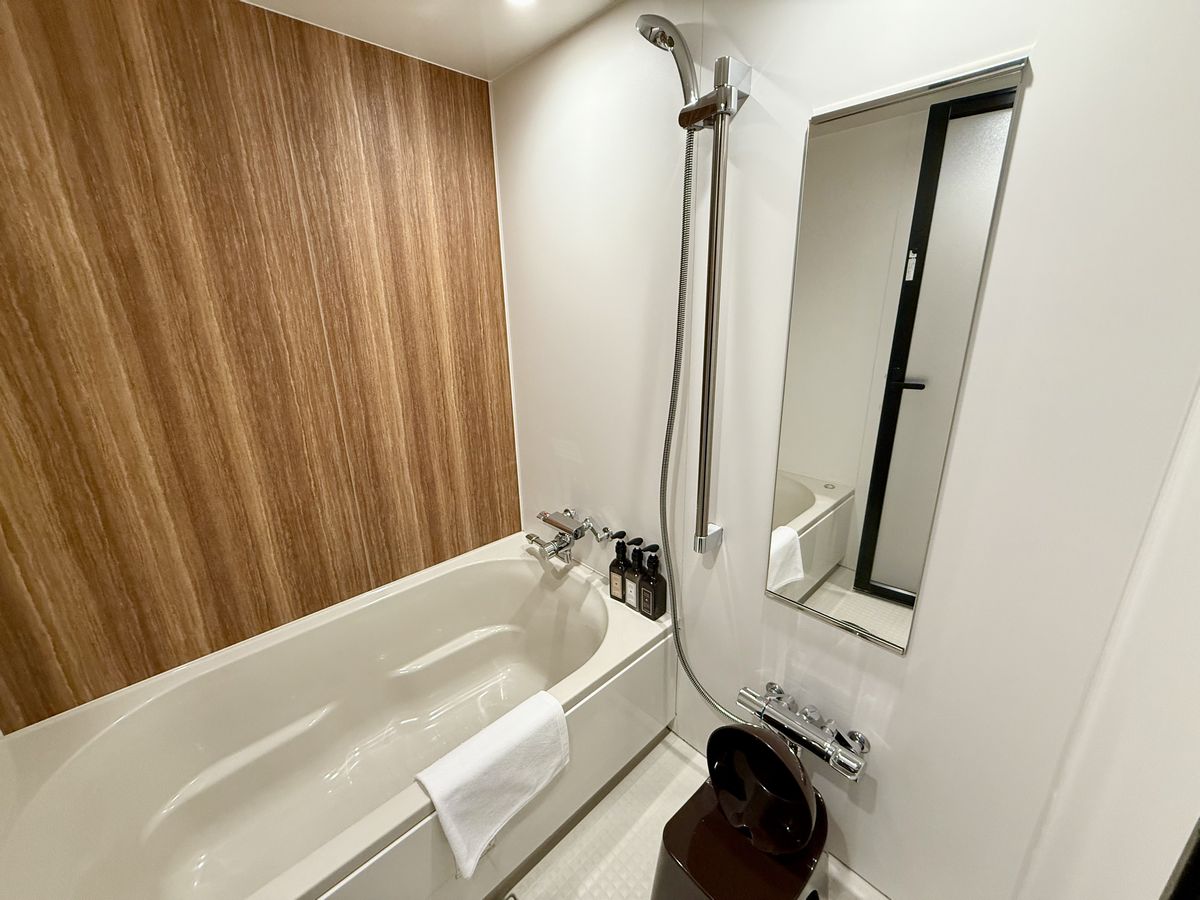
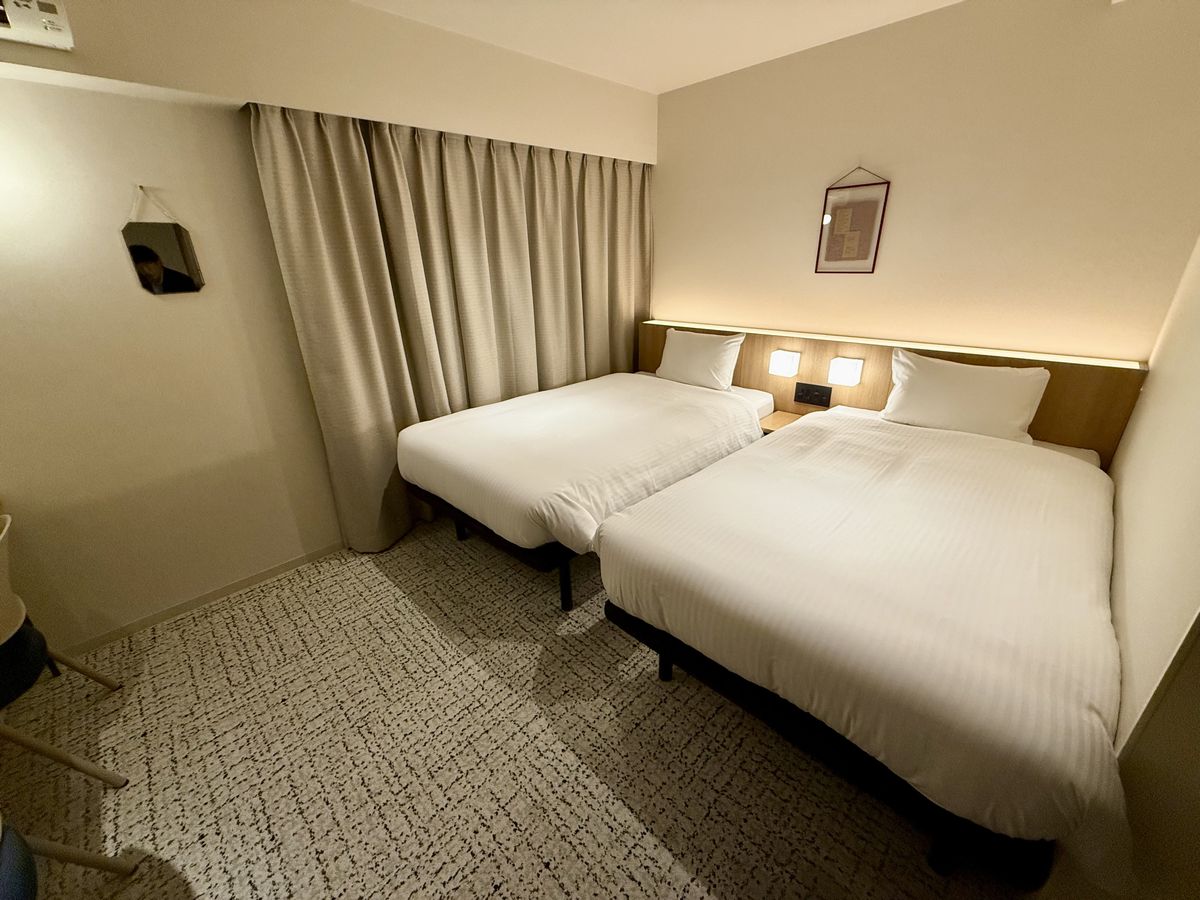
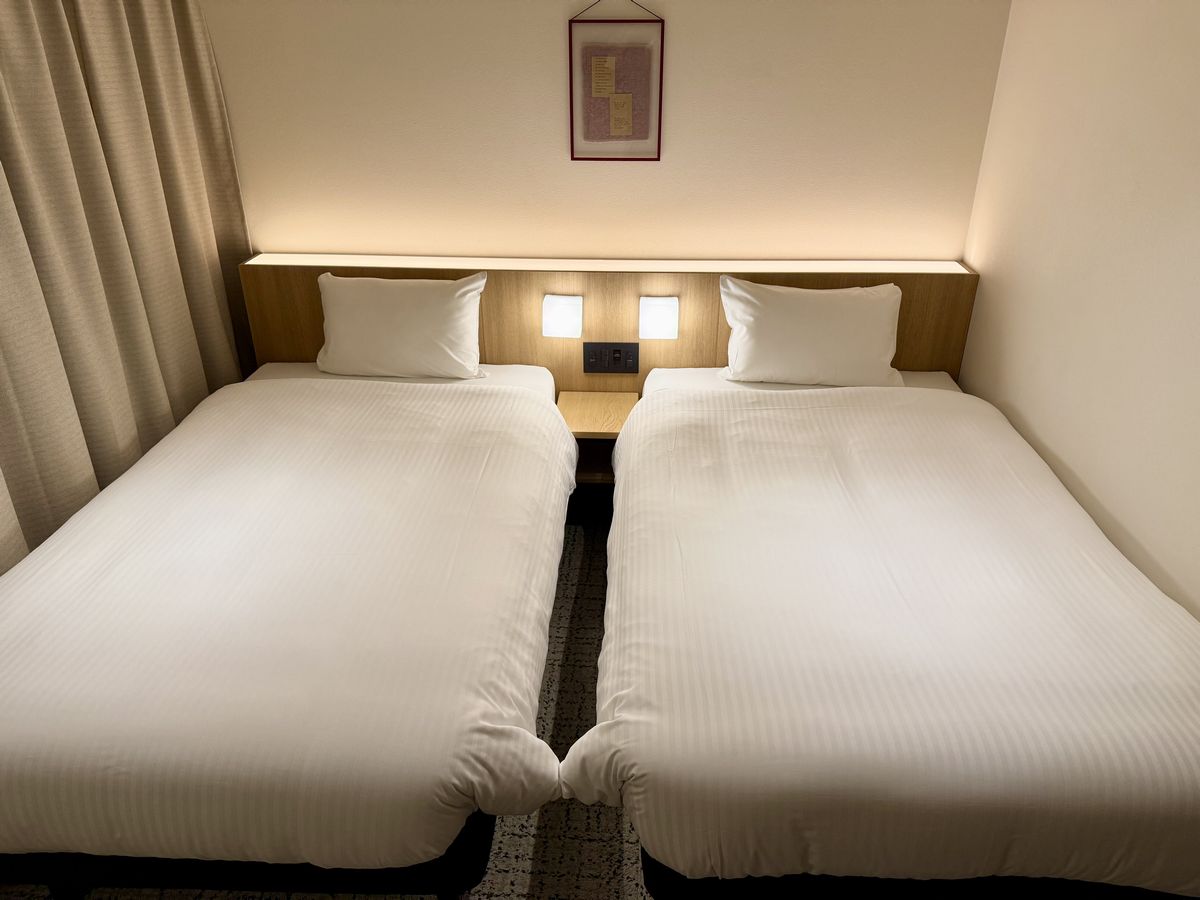
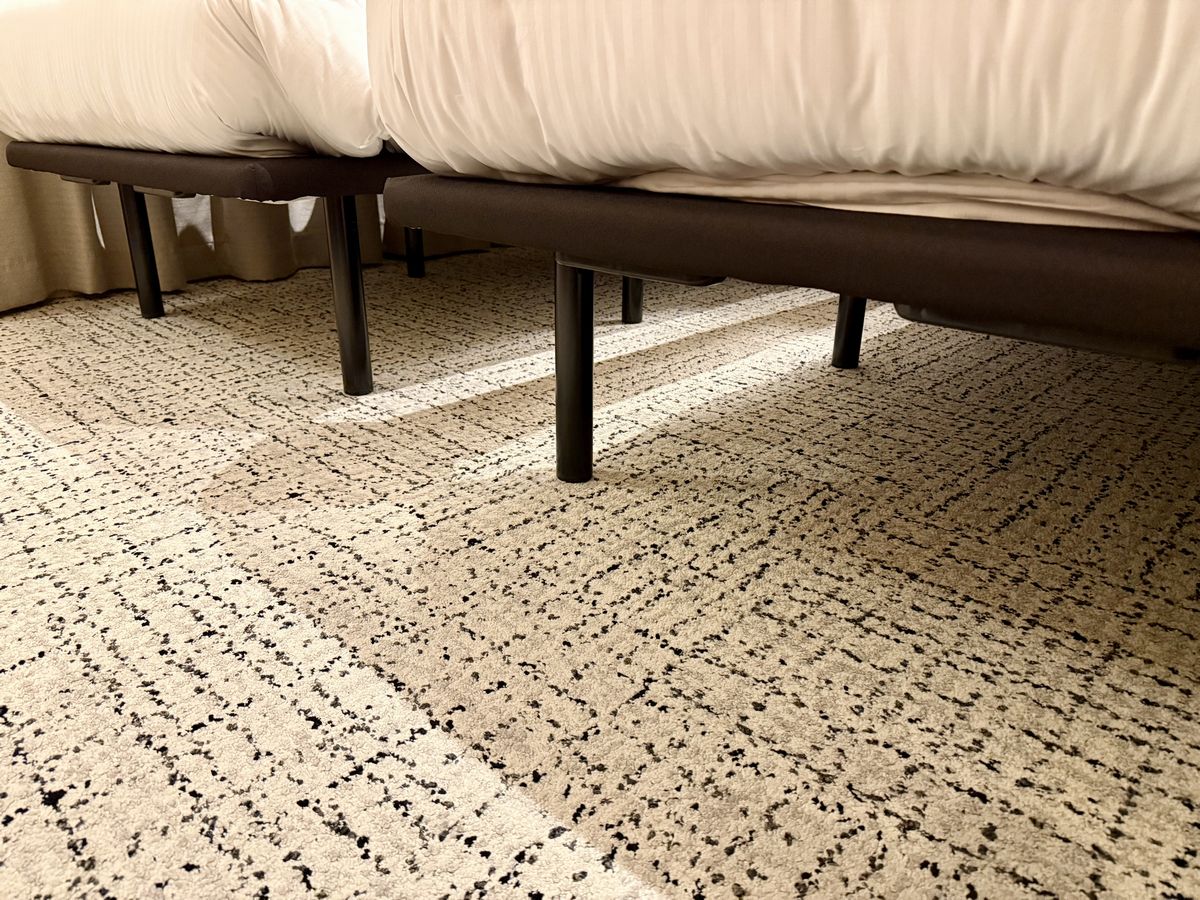
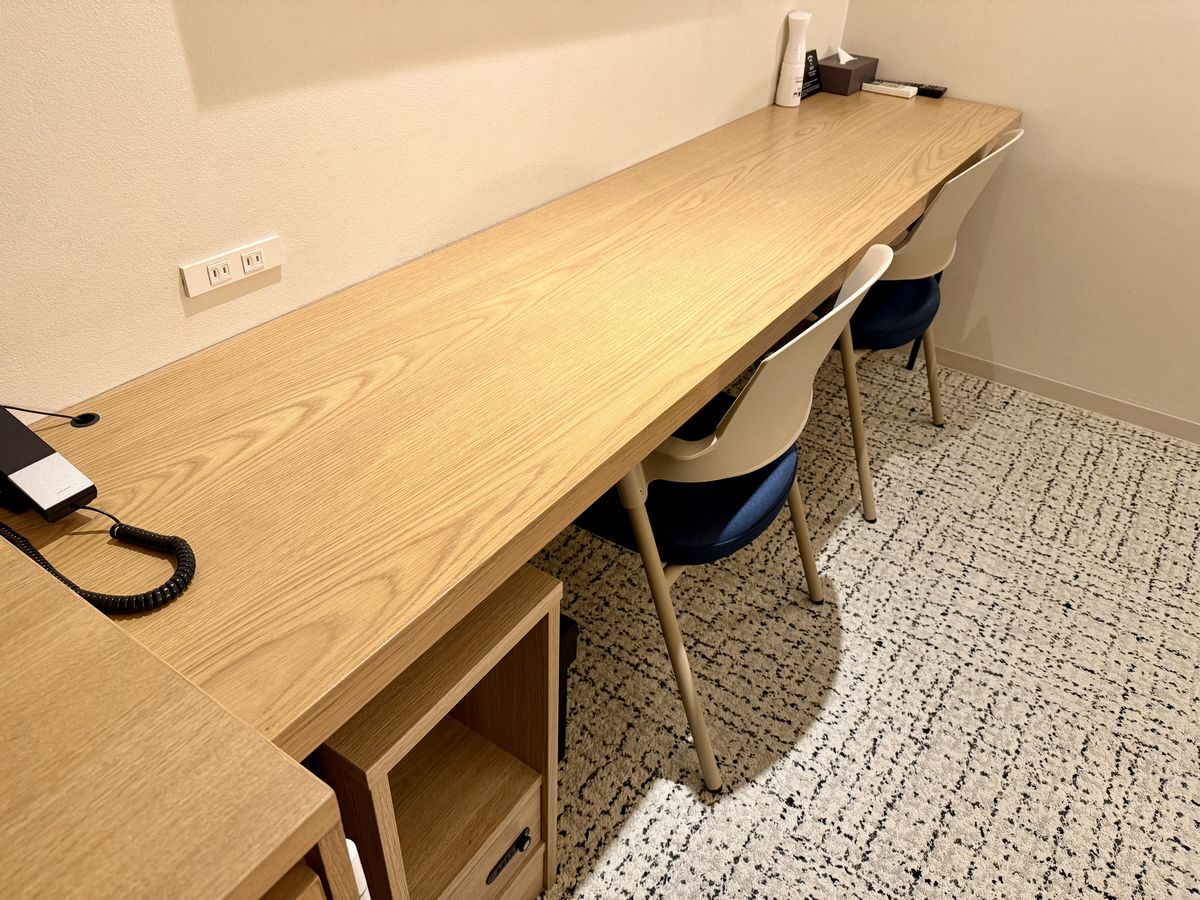
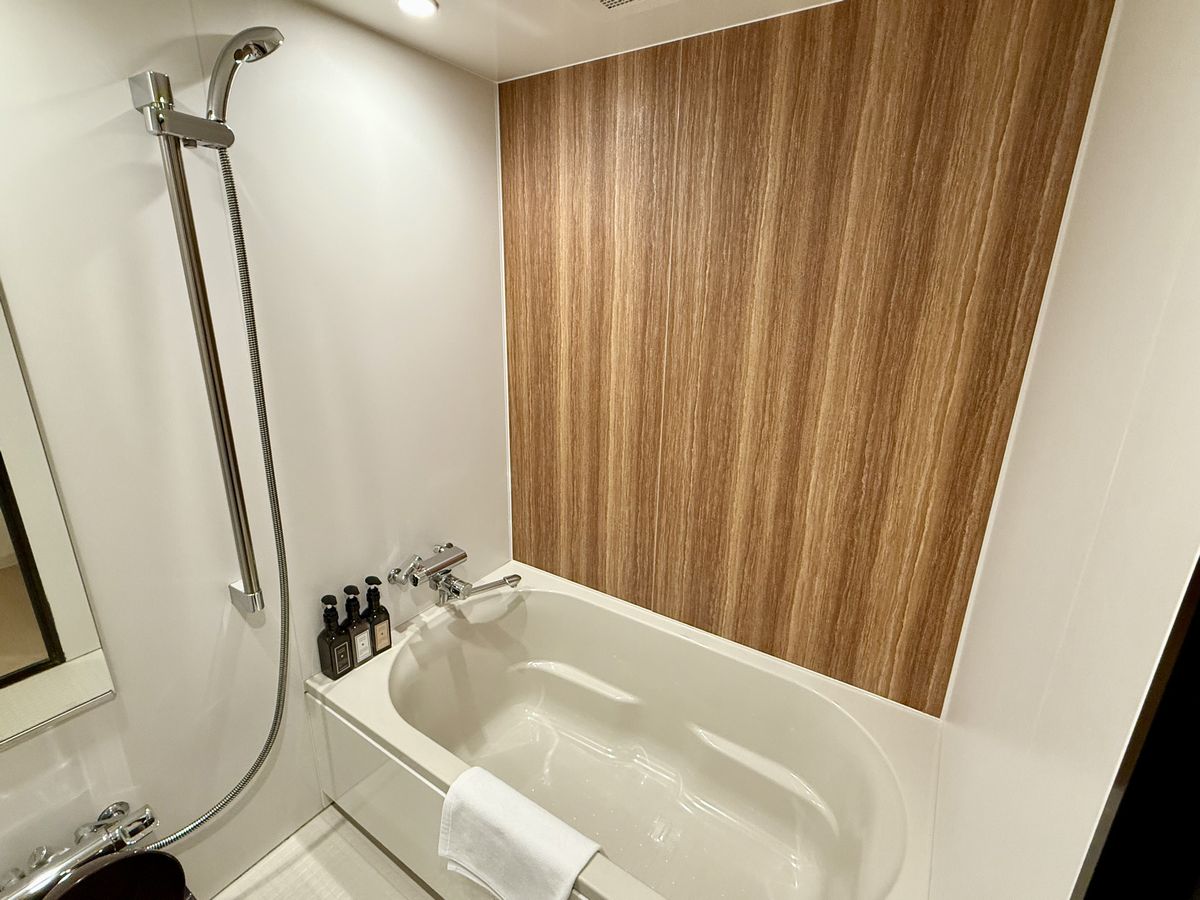
According to the explanation provided, ‘Henna Hotel Express Osaka Namba Nipponbashi’ aims to create a space and guest room that feels like coming home.
Henna Hotel Express Osaka Namba Nipponbashi
The Henna Hotel Express Osaka Namba Nipponbashi is a modern budget hotel located in Osaka’s vibrant Nipponbashi district, known for its electronics shops and proximity to the Dotonbori entertainment area. While the hotel itself is a contemporary establishment, its name “Henna” (meaning “strange” in Japanese) is a playful branding choice, and it sits in a historic commercial neighborhood that has long been a hub for trade and pop culture, including the famous Den-Den Town for electronics and anime goods.
Osaka
Osaka is a major port city and commercial hub in western Japan, historically known as the nation’s “kitchen” for its crucial role in the rice trade during the Edo period (1603-1868). Its historical significance is embodied in landmarks like Osaka Castle, originally built in the late 16th century by the powerful warlord Toyotomi Hideyoshi. Today, the city is celebrated for its vibrant street food, modern architecture, and outgoing culture.
Namba
Namba is a major commercial and entertainment district in central Osaka, Japan, historically known as a merchant and theater hub. Its name derives from the old “Nanba” area, which was a significant temple town and commercial center during the Edo period. Today, it is famous for its vibrant shopping streets, the iconic Glico Running Man sign, and the historic Dotonbori canal area.
Nipponbashi
Nipponbashi is a district in Osaka, Japan, famously known as “Den Den Town,” the city’s premier electronics and anime retail hub. Historically, it emerged as a major commercial center for electrical goods in the post-World War II era, evolving to also become a focal point for otaku culture, featuring shops dedicated to manga, anime, and video games. Today, it is often compared to Tokyo’s Akihabara and remains a vibrant destination for technology enthusiasts and pop culture fans.
Chuo Ward
Chuo Ward is one of Tokyo’s 23 special wards, located at the heart of the city and known as its primary commercial and financial center. Historically, it encompasses areas like Ginza and Nihonbashi, which have been vital mercantile districts since the Edo Period (1603-1868), with Nihonbashi Bridge once serving as the starting point for all major roads in Japan. Today, it is a bustling hub of global business, high-end shopping, and historical landmarks, blending traditional shops with modern skyscrapers.
Osaka City
Osaka City is a major port and commercial hub in western Japan, historically known as the nation’s merchant capital during the Edo period (1603-1868). Its iconic Osaka Castle, originally built in the late 16th century by Toyotomi Hideyoshi, symbolizes its historical significance as a center of power and trade. Today, it is a vibrant modern metropolis famous for its street food, nightlife, and distinct, direct culture.