



Nagoya city
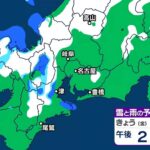
Nagoya is a major industrial and cultural hub in central Japan, with a history rooted in the 17th century when the powerful Tokugawa clan built Nagoya Castle. The city flourished as a key post town on the Tokaido road and later became a center for manufacturing, including aviation and ceramics. Today, it blends modern urban life with historic landmarks like the reconstructed castle and the Atsuta Jingu shrine, one of Shinto’s most sacred sites.
Toyohashi
Toyohashi is a city in Aichi Prefecture, Japan, known for its strategic location along the Tōkaidō road during the Edo period, serving as a key post station. Historically, it developed from a castle town centered around Toyohashi Castle, built in the early 16th century, and later became a vital industrial and transportation hub. Today, it blends its historical heritage with modern attractions, such as the restored castle and the nearby Yoshida Shrine.
Gifu
Gifu is a city in central Japan known for its scenic location along the Nagara River and its rich cultural heritage. Historically, it was a key strategic site during the Sengoku period, ruled by the famous warlord Oda Nobunaga, who used Gifu Castle as a base for unifying Japan. Today, the city is famous for traditional cormorant fishing (ukai) and its well-preserved castle offering panoramic views.
Owase
Owase is a coastal city in Mie Prefecture, Japan, known for its scenic ria coastline and deep, natural harbors. Historically, it flourished as a port for the Kumano region’s timber trade, particularly during the Edo period, and is also famous for the Owase Matsuri, a vibrant festival with a history spanning over 300 years. Today, it attracts visitors with its beautiful landscapes, such as the Magose-toge Pass and local seafood.
Ure Dam
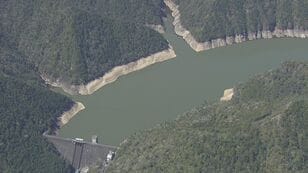
Ure Dam is a historic masonry dam located on the Ure River in Serbia, built between 1886 and 1888 to provide a reliable water supply for the city of Niš. It was one of the first concrete dams in the region and played a crucial role in the city’s development. Today, the dam and its surrounding reservoir are popular recreational spots, though the structure itself is also recognized as a cultural heritage site.
Toyogawa irrigation system
The Toyogawa irrigation system is a historic network of canals and waterways in Aichi Prefecture, Japan, constructed during the Edo period to transform arid land into fertile farmland. Completed in 1654 under the leadership of the samurai official Kōno Shōun, it channels water from the Toyogawa River through tunnels and aqueducts, significantly boosting local agriculture and settlement. This engineering marvel remains in use today and is recognized as a vital cultural heritage site.
Oshima Dam
Oshima Dam is a concrete gravity dam located in Yamaguchi Prefecture, Japan, constructed primarily for flood control and water supply purposes. Completed in 1970, it was built across the Oshima River to manage seasonal flooding and provide a stable water source for local agriculture and communities. The dam also created a reservoir that has become a modest recreational area, blending functional infrastructure with the surrounding natural landscape.