In the Toyogawa irrigation system, which continues to face water shortages, emergency water diversion from the Sakuma Dam in Shizuoka Prefecture will begin at 10 a.m. on the 25th.
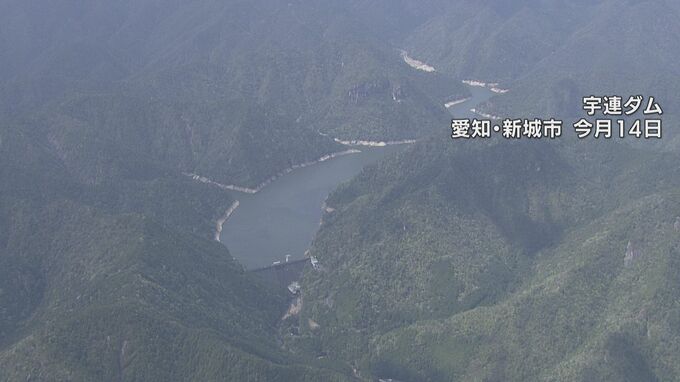
In March, the Ure Dam, the largest water source in the Toyogawa irrigation system that supplies water to the Higashi-Mikawa region, dried up, leading to a severe water shortage. Subsequent rainfall has brought the overall storage rate of the Toyogawa irrigation system to 62.7% as of midnight on the 24th.
However, this is still only about 70% of the normal level, and water conservation measures continue.
Toyogawa irrigation system
The Toyogawa irrigation system is a historic agricultural water network in Aichi Prefecture, Japan, developed primarily during the Edo period. It was constructed to divert water from the Toyogawa River to transform arid, infertile land into productive rice paddies, significantly boosting local agriculture and settlement. The system remains in use today, recognized as an important example of traditional Japanese irrigation engineering and a key part of the region’s cultural heritage.
Sakuma Dam
Sakuma Dam is a hydroelectric dam located on the Tenryū River in Shizuoka Prefecture, Japan. Completed in 1956, it was the largest dam in Asia at the time and played a crucial role in Japan’s post-war industrial recovery by providing a stable power supply. The dam also created Lake Sakuma, a popular scenic spot for tourism and recreation.
Ure Dam
The Ure Dam, also known as the Urejen Dam, is a historic irrigation structure located in Turkmenistan, dating back to the early 20th century. It was built during the Russian Empire era to supply water to the arid Mary oasis, supporting agriculture in the region. The dam remains an important part of the local water management system and a testament to early engineering in Central Asia.
Higashi-Mikawa region
The Higashi-Mikawa region, located in eastern Aichi Prefecture, Japan, is historically known as the birthplace of Tokugawa Ieyasu, the founder of the Tokugawa shogunate. This area features sites like Okazaki Castle, where Ieyasu was born, and numerous samurai-era landmarks. Today, it is celebrated for its rich cultural heritage, traditional crafts, and natural beauty, including the scenic Atsumi Peninsula.
Toyogawa irrigation system
The Toyogawa irrigation system is a historic agricultural water network in Aichi Prefecture, Japan, constructed in the early 20th century to bring water from the Toyogawa River to arid plains. Completed in 1920, it transformed the region’s farming productivity by enabling rice cultivation on previously dry land. The system remains a vital part of the local landscape and is recognized as a significant example of modern Japanese irrigation engineering.
Sakuma Dam
Sakuma Dam is a large hydroelectric dam located on the Tenryū River in Shizuoka Prefecture, Japan. Completed in 1956, it was a major engineering project that helped power Japan’s post-war industrial recovery, and at the time of its construction it was the tallest dam in Asia. The dam created Lake Sakuma, a popular recreational area, and its construction also involved the relocation of local communities and the famous Hiraoka Bridge.
Ure Dam
Ure Dam, located in the central highlands of Sri Lanka, is an ancient reservoir built by King Mahasena in the 3rd century AD as part of the island’s advanced irrigation network. This historic dam, constructed using massive stone slabs without modern machinery, was designed to store water for agriculture and remains a testament to early hydraulic engineering. Today, it stands as a popular tourist attraction, surrounded by scenic landscapes and offering insight into Sri Lanka’s rich cultural and technological heritage.
Higashi-Mikawa region
The Higashi-Mikawa region, located in eastern Aichi Prefecture, Japan, is historically significant as the birthplace of Tokugawa Ieyasu, the founder of the Tokugawa shogunate. It was a key area during the Sengoku period, featuring castles like Yoshida Castle and Tahara Castle, which played roles in the unification of Japan. Today, the region is known for its natural beauty, including coastal areas and the Atsumi Peninsula, as well as its cultural heritage and traditional crafts.
Toyogawa River
The Toyogawa River is a significant waterway in Aichi Prefecture, Japan, known for its role in supporting local agriculture and industry. Historically, the river has been central to the region’s development, with its waters used for irrigation and its basin serving as a key area for settlement and trade. Today, it remains an important natural and cultural landmark, celebrated for its scenic beauty and seasonal festivals.
Tenryū River
The Tenryū River, stretching approximately 213 kilometers through Nagano and Shizuoka prefectures in Japan, is renowned for its swift currents and scenic gorges. Historically, it served as a vital transportation route for timber during the Edo period, with logs floated downstream from the mountainous regions to the coast. Today, it is famous for recreational activities like rafting and its role in the traditional “Tenryū River Fireworks” festival.
Okazaki Castle
Okazaki Castle, located in Aichi Prefecture, Japan, is famously known as the birthplace of Tokugawa Ieyasu, the founder of the Tokugawa shogunate. Originally built in the 15th century, it played a key role in the unification of Japan during the Sengoku period. Today, the reconstructed castle and its grounds serve as a museum and historical park, offering insight into samurai culture and the early life of one of Japan’s most influential leaders.
Atsumi Peninsula
The Atsumi Peninsula is a scenic region located in Aichi Prefecture, Japan, known for its beautiful coastline, hot springs, and agricultural produce like melons and strawberries. Historically, it was an important area for salt production during the Edo period, and its coastal areas have long been valued for fishing and maritime trade. Today, it is a popular tourist destination, offering natural attractions such as Cape Irago and cultural sites like the Tahara Castle ruins.