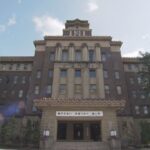
In the first trial for a fraud case involving a fake real estate transaction, the two defendants admitted to the charges.
According to the indictment, the defendants—Kuniaki Sakai (81), president of the Tokyo real estate company “Navy Trust,” and Hiroyuki Yamada (54), a director—were charged with fraud for allegedly presenting a false real estate transaction to the president of a real estate company in Nakamura-ku, Nagoya, four years ago, defrauding them of over 750 million yen in total.
Nakamura-ku
Nakamura-ku is a ward located in Nagoya, Japan, best known as the birthplace of the legendary samurai Toyotomi Hideyoshi, a key figure who unified Japan in the late 16th century. The area is home to the historic Nakamura Park, which features a shrine and museum dedicated to Hideyoshi’s life. Today, it combines this rich samurai heritage with modern urban life, including Nagoya Station, one of Japan’s busiest transportation hubs.
Nagoya
Nagoya is a major city in Japan’s Aichi Prefecture, known for its pivotal role in the country’s industrial and cultural history. It was the birthplace of the powerful Oda and Tokugawa clans during the Sengoku period, and its iconic Nagoya Castle, built in 1612, served as a key stronghold. Today, the city blends historic sites with modern attractions, including the Nagoya City Science Museum and the Toyota Commemorative Museum of Industry and Technology.
Nakamura-ku
Nakamura-ku is a ward located in Nagoya, Japan, best known as the birthplace of the legendary samurai and shogun Tokugawa Ieyasu. The area features historical sites such as Nakamura Park, which houses a shrine dedicated to him, and the Tokugawa Art Museum. Today, it blends its rich samurai heritage with modern urban life, including the bustling Nagoya Station area.
Nagoya
Nagoya is a major industrial and cultural hub in Japan, known for its rich history as a key castle town during the Edo period. The city is home to Nagoya Castle, originally built in 1612 by the Tokugawa clan, and the Atsuta Shrine, one of Shinto’s most important shrines. Today, Nagoya blends its historical heritage with modern innovation, particularly in automotive and ceramics industries.
Nakamura Park
Nakamura Park, located in Nagoya, Japan, is a historic site centered around the birthplace of the famous samurai and shogun Tokugawa Ieyasu. The park features a memorial hall dedicated to his life and achievements, along with a peaceful Japanese garden and a reconstructed house from his era. It serves as both a cultural landmark and a recreational space, offering visitors insight into Japan’s feudal history.
Nagoya Station
Nagoya Station is a major transportation hub in central Japan, originally opened in 1886 and rebuilt in its current form in 1999. It is part of the JR Central Towers complex, one of the tallest buildings in the region, and serves as a gateway for the Shinkansen (bullet train) as well as local and regional rail lines. The station area has become a bustling commercial and cultural center, reflecting Nagoya’s role as a key industrial and economic city.
Nagoya Castle
Nagoya Castle, originally completed in 1615 by the Tokugawa shogunate, was a key military stronghold in Japan’s Owari Province. Its most famous feature, the golden shachihoko (mythical dolphin-like creatures) atop the keep, symbolized authority and prosperity. Although much of the castle was destroyed during World War II, the main tower was reconstructed in 1959, and it remains a popular cultural landmark today.
Nagoya City Science Museum
The Nagoya City Science Museum is one of Japan’s largest science museums, featuring a striking, 40-meter-tall globe-shaped planetarium. Opened in 1962 and extensively renovated in 2011, the museum offers interactive exhibits on physics, chemistry, and biology, including a massive artificial cloud chamber and a deep-freeze lab. Its history reflects Japan’s post-war commitment to public science education, blending hands-on learning with cutting-edge technology.
Toyota Commemorative Museum of Industry and Technology
The Toyota Commemorative Museum of Industry and Technology in Nagoya, Japan, showcases the evolution of Toyota from its origins as a textile machinery company to its current status as a global automotive leader. Housed in a historic red-brick factory building from 1911, the museum preserves the site where Sakichi Toyoda invented the automatic loom, and later displays the company’s pioneering work in automobile manufacturing. Through hands-on exhibits and live demonstrations, it offers visitors a comprehensive look at the technological innovations and industrial heritage that shaped modern Japan.