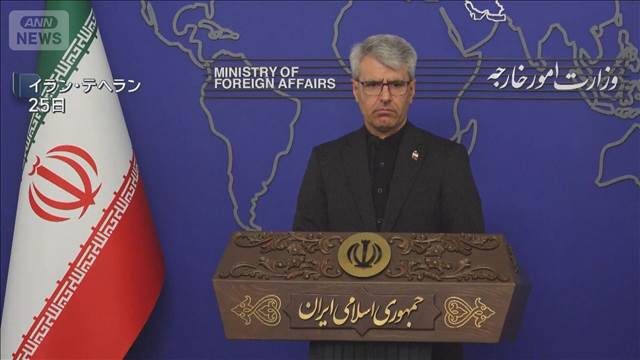
A delegation led by the Parliament Speaker visited Qatar to meet with the Prime Minister. The governor of the Central Bank is also accompanying the delegation. They are discussing the release of frozen assets, which is said to be part of the framework of negotiations with the United States. Meanwhile, a Foreign Ministry spokesperson claimed that what Iran collects in the Strait of Hormuz is not a “transit fee,” but a “service fee” aimed at guiding ships and other purposes.
Strait of Hormuz
The Strait of Hormuz is a narrow, strategically vital waterway connecting the Persian Gulf to the Gulf of Oman and the open ocean. Historically a key trade route for centuries, it has been a contested chokepoint for oil shipments, particularly since the 20th century, with roughly 20% of the world’s petroleum passing through it. Its geopolitical importance has made it a frequent focal point for international tensions, especially involving Iran and Gulf states.
Strait of Hormuz
The Strait of Hormuz is a strategically vital waterway connecting the Persian Gulf to the Gulf of Oman and the Arabian Sea. Historically, it has been a crucial chokepoint for global oil trade, with around 20% of the world’s petroleum passing through it. Its significance has made it a focal point for geopolitical tensions, particularly between Iran and other nations, for centuries.
Strait of Hormuz
The Strait of Hormuz is a narrow, strategically vital waterway connecting the Persian Gulf to the Gulf of Oman and the Arabian Sea. Historically, it has been a crucial maritime trade route for centuries, and today, approximately 20-30% of the world’s oil passes through it, making it a focal point for geopolitical tensions, particularly between Iran and other global powers. Its control and security have been contested since the 16th century, involving empires like the Portuguese, British, and local Persian and Arab states.