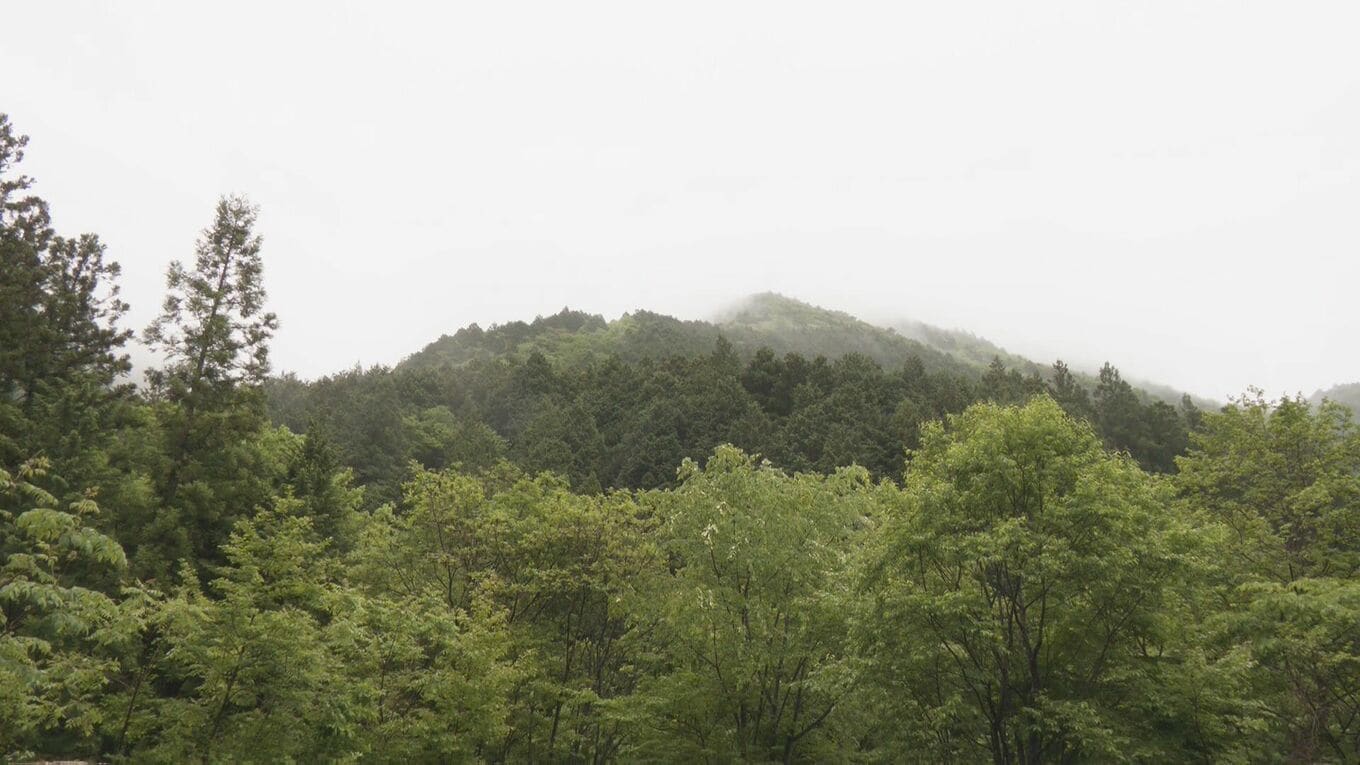
In a mountain accident in Nakatsugawa City, Gifu Prefecture, where a man in his 50s had gone missing, police discovered a body on the mountain on the 25th of this month and are working to identify the remains.
According to police, just after 10:30 a.m., they found the body of a man believed to be in his 50s under a waterfall about 30 meters off the hiking trail on Mount Koshu in Kazuka, Nakatsugawa City. Since the 16th of this month, a 55-year-old university staff member from Tokyo who had gone hiking alone had been missing in the mountain, and police had been continuing their search. The discovered body is highly likely to be the missing man based on age and height, and police are urgently working to confirm his identity.
Mount Koshu
Mount Koshu, located in Yamanashi Prefecture, Japan, is a prominent peak in the Okuchichibu Mountains, standing at 2,599 meters. Historically, it has been a site of spiritual significance and mountain worship, with ancient trails used by ascetics and pilgrims. Today, it is a popular destination for hikers seeking panoramic views of the Japanese Alps and the Kanto region.
Nakatsugawa City
Nakatsugawa City is a historic city located in Gifu Prefecture, Japan, known for its role as a key post station along the Nakasendo, one of the five major routes of the Edo period. The city flourished as a stopping point for travelers and samurai journeying between Tokyo and Kyoto, and today it preserves the charming Magome-juku post town with its traditional architecture. Additionally, Nakatsugawa is famous for its scenic beauty, including the Kiso River and nearby Mount Ena, making it a popular destination for hiking and cultural tourism.
Gifu Prefecture
Gifu Prefecture, located in the Chubu region of Japan, is historically known as a strategic crossroads during the feudal era, particularly for its iconic mountain castles like Gifu Castle, which was famously used by Oda Nobunaga in the 16th century as a base for unifying Japan. The region also preserves traditional crafts such as Mino washi paper-making and hosts the scenic Shirakawa-go village, a UNESCO World Heritage site known for its historic gassho-zukuri farmhouses. Today, Gifu is celebrated for its natural beauty, including the Nagara River’s cormorant fishing tradition that dates back over 1,300 years.
Mount Koshu
Mount Koshu is a significant peak in Japan’s Yatsugatake mountain range, known for its volcanic origins and scenic beauty. Historically, it has been a site of spiritual reverence and pilgrimage, with ancient trails used by mountain ascetics. Today, it remains a popular destination for hikers seeking panoramic views and a connection to Japan’s natural and cultural heritage.
Nakatsugawa City</
Mount Koshu
Mount Koshu, located in Yamanashi Prefecture, Japan, is a prominent peak in the Okuchichibu Mountains known for its scenic beauty and challenging hiking trails. Its name, meaning “Province of Kai,” reflects the historical region it belongs to, which was once a key area during the Edo period for silk and wine production. Today, Mount Koshu remains a popular destination for climbers and nature enthusiasts seeking panoramic views of the surrounding mountains and valleys.
Nakatsugawa City
Nakatsugawa City, located in Gifu Prefecture, Japan, is a historic post town that flourished along the Nakasendo, one of the Five Routes of the Edo period. The city is known for its well-preserved old townscape, including the Magome-juku and Tsumago-juku stations, which offer a glimpse into travel and culture during the 17th to 19th centuries. Today, Nakatsugawa attracts visitors with its scenic beauty, traditional architecture, and the famous Neodani Faultline, a site of a major 1891 earthquake.
Gifu Prefecture
Gifu Prefecture, located in the Chubu region of central Japan, is known for its rich history and stunning natural landscapes. Historically, it was a strategic crossroads during the Sengoku period, with Gifu Castle serving as a key base for the warlord Oda Nobunaga in his quest to unify Japan. Today, the prefecture is famous for traditional crafts like Mino washi paper, the historic town of Takayama, and the scenic Shirakawa-go village, a UNESCO World Heritage site.
Okuchichibu Mountains
The Okuchichibu Mountains are a rugged, remote range in the Saitama, Tokyo, Yamanashi, and Nagano prefectures of Japan, forming part of the larger Chichibu Tama Kai National Park. Historically, these mountains have been a site of Shugendō ascetic practices and are dotted with ancient shrines and pilgrimage routes, such as the Mitsumine Shrine, which dates back over 2,000 years. Today, they are cherished for their pristine nature, deep valleys, and challenging hiking trails, offering a glimpse into Japan’s spiritual and natural heritage.
Japanese Alps
The Japanese Alps are a series of mountain ranges in central Honshu, Japan, consisting of three major groups: the Northern, Central, and Southern Alps. Formed by tectonic uplift and volcanic activity, they have long been revered in Japanese culture and were named after the European Alps by British missionary William Gowland in the 19th century. Today, they are a popular destination for hiking, climbing, and enjoying scenic hot springs, offering rugged natural beauty intertwined with traditional mountain village life.
Kanto region
The Kanto region is a major area on Japan’s main island of Honshu, encompassing Tokyo and its surrounding prefectures. Historically, it rose to prominence during the Edo period (1603-1868) when the Tokugawa shogunate established its capital in Edo (modern-day Tokyo), transforming the region from a rural area into the nation’s political and economic heart. Today, it remains Japan’s most populous region, blending ancient temples and traditions with cutting-edge urban centers.
Nakasendo
Nakasendo was one of the five major routes, or “Gokaido,” of feudal Japan during the Edo period, connecting Kyoto and Edo (modern-day Tokyo) through the central mountains. Unlike the coastal Tokaido road, the Nakasendo offered a more scenic but rugged inland journey, passing through historic post towns where travelers could rest. Today, preserved sections like the Magome and Tsumago villages allow visitors to experience the traditional architecture and atmosphere of old Japan.
Magome-juku
Magome-juku was the 43rd of the 69 post stations along the historic Nakasendo highway, which connected Edo (modern-day Tokyo) with Kyoto during the Edo period. Nestled in the mountainous Kiso Valley, this well-preserved former postal town features traditional wooden buildings, cobblestone streets, and a steep, winding main road. Today, it is a popular tourist destination, offering visitors a glimpse into Japan’s feudal-era travel culture and serving as the starting point for the scenic hike to the neighboring post town of Tsumago-juku.
Mount Koshu
Mount Koshu, located in Yamanashi Prefecture, Japan, is a prominent peak in the Okuchichibu Mountains known for its scenic beauty and challenging hiking trails. Its name, meaning “Province of Kai,” reflects the historical region it belongs to, which was once a key area during the Edo period for silk and wine production. Today, Mount Koshu remains a popular destination for climbers and nature enthusiasts seeking panoramic views of the surrounding mountains and valleys.
Nakatsugawa City
Nakatsugawa City, located in Gifu Prefecture, Japan, is a historic post town that flourished along the Nakasendo, one of the Five Routes of the Edo period. The city is known for its well-preserved old townscape, including the Magome-juku and Tsumago-juku stations, which offer a glimpse into travel and culture during the 17th to 19th centuries. Today, Nakatsugawa attracts visitors with its scenic beauty, traditional architecture, and the famous Neodani Faultline, a site of a major 1891 earthquake.
Gifu Prefecture
Gifu Prefecture, located in the Chubu region of central Japan, is known for its rich history and stunning natural landscapes. Historically, it was a strategic crossroads during the Sengoku period, with Gifu Castle serving as a key base for the warlord Oda Nobunaga in his quest to unify Japan. Today, the prefecture is famous for traditional crafts like Mino washi paper, the historic town of Takayama, and the scenic Shirakawa-go village, a UNESCO World Heritage site.
Okuchichibu Mountains
The Okuchichibu Mountains are a rugged, remote range in the Saitama, Tokyo, Yamanashi, and Nagano prefectures of Japan, forming part of the larger Chichibu Tama Kai National Park. Historically, these mountains have been a site of Shugendō ascetic practices and are dotted with ancient shrines and pilgrimage routes, such as the Mitsumine Shrine, which dates back over 2,000 years. Today, they are cherished for their pristine nature, deep valleys, and challenging hiking trails, offering a glimpse into Japan’s spiritual and natural heritage.
Japanese Alps
The Japanese Alps are a series of mountain ranges in central Honshu, Japan, consisting of three major groups: the Northern, Central, and Southern Alps. Formed by tectonic uplift and volcanic activity, they have long been revered in Japanese culture and were named after the European Alps by British missionary William Gowland in the 19th century. Today, they are a popular destination for hiking, climbing, and enjoying scenic hot springs, offering rugged natural beauty intertwined with traditional mountain village life.
Kanto region
The Kanto region is a major area on Japan’s main island of Honshu, encompassing Tokyo and its surrounding prefectures. Historically, it rose to prominence during the Edo period (1603-1868) when the Tokugawa shogunate established its capital in Edo (modern-day Tokyo), transforming the region from a rural area into the nation’s political and economic heart. Today, it remains Japan’s most populous region, blending ancient temples and traditions with cutting-edge urban centers.
Nakasendo
Nakasendo was one of the five major routes, or “Gokaido,” of feudal Japan during the Edo period, connecting Kyoto and Edo (modern-day Tokyo) through the central mountains. Unlike the coastal Tokaido road, the Nakasendo offered a more scenic but rugged inland journey, passing through historic post towns where travelers could rest. Today, preserved sections like the Magome and Tsumago villages allow visitors to experience the traditional architecture and atmosphere of old Japan.
Magome-juku
Magome-juku was the 43rd of the 69 post stations along the historic Nakasendo highway, which connected Edo (modern-day Tokyo) with Kyoto during the Edo period. Nestled in the mountainous Kiso Valley, this well-preserved former postal town features traditional wooden buildings, cobblestone streets, and a steep, winding main road. Today, it is a popular tourist destination, offering visitors a glimpse into Japan’s feudal-era travel culture and serving as the starting point for the scenic hike to the neighboring post town of Tsumago-juku.