KRL Tangerang service was temporarily paralyzed, causing passengers to pile up at Duri Station until night.
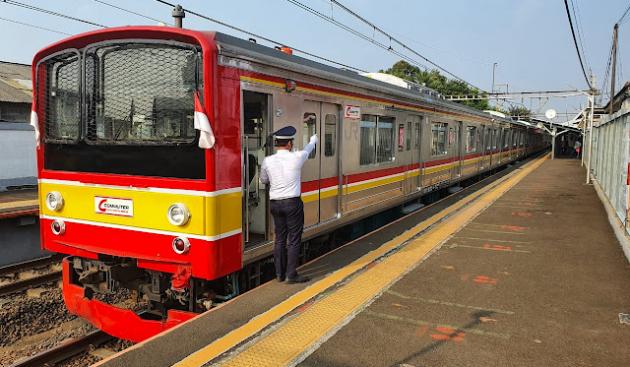
Illustration of KRL Commuter Line.
The KRL Commuter Line trip on the Duri-Tangerang route experienced a disruption on Tuesday afternoon, May 26, 2026.
The disruption occurred on the KRL train number 1978A on the Duri-Tangerang route on the track between Taman Kota Station and Bojong Indah.
Due to the incident, train operations on the Tangerang route were temporarily disrupted because the overhead power line on the upstream Duri-Rawabuaya route had to be turned off temporarily for handling.
Officials stated that personnel immediately coordinated and handled the situation at the location after receiving the disruption report.
“Relevant personnel immediately coordinated and handled the situation on site to ensure travel safety and accelerate the normalization of Commuter Line operations,” said the official in a statement.
After the handling process was completed, the power supply was turned back on around 5:56 PM local time. The affected train was then evacuated to track 3 of Rawabuaya Station for further inspection.
During the normalization process, several train trips experienced delays and changes in operational patterns. This caused passenger queues to crowd Duri Station until the evening.
One passenger, Ikhsan, 32, said he had been waiting for more than an hour after transiting from Manggarai. He chose to sit inside the station because the platform was too crowded.
“Since around 9:00 PM I’ve been here, transiting from Manggarai, not moving. I’m tired, so I’d rather just sit and wait until it’s a bit quieter,” he said.
He said he canceled attending the takbiran near his home because he arrived late in Tangerang.
“I’ll probably just go straight to sleep, so I can still make it for the Eid prayer in the morning. I have no energy left,” he said.
Similarly, Yuni, 33, a passenger heading to Cipondoh, finally chose to be picked up by her husband after waiting for almost two hours for a train without certainty.
“Usually, the longest wait is 30 minutes, but I couldn’t handle it when I saw how crowded the transit was,” she said.
The KRL operational disruption also affected the Soekarno-Hatta Airport Commuter Line trips. Several trips experienced delays or cancellations.
KAI Commuter provided full refunds for airport train passengers who canceled their trips due to delays.
“For Commuter Line Basoetta users who will cancel their trips due to significant delays, KAI Commuter will refund 100 percent of the fare,” said the official.
Taman Kota Station
Taman Kota Station is a historic railway station in Jakarta, Indonesia, originally built in 1929 during the Dutch colonial era. It served as the main terminus for the city’s first electric railway line and is known for its distinctive Art Deco architectural style. Today, the station remains in operation as part of Jakarta’s commuter rail network, preserving its cultural and historical significance.
Bojong Indah
Bojong Indah is a residential area in North Jakarta, Indonesia, originally developed as part of a land reclamation and housing project in the 1990s. It was built on former swampland and fishponds along Jakarta Bay, transforming the area into a suburban neighborhood with canals and modern homes. Despite facing challenges like flooding and land subsidence, Bojong Indah remains a notable example of Jakarta’s urban expansion into coastal zones.
<h3 class="text-lg
Taman Kota Station
Taman Kota Station is a historic railway station in Jakarta, Indonesia, originally built in the late 19th century during the Dutch colonial era. It served as a key stop on the Batavia (now Jakarta) railway network and is known for its distinctive colonial architecture. Today, it remains in use as part of Jakarta’s commuter rail system, preserving a link to the city’s colonial past.
Bojong Indah
Bojong Indah is a residential area in North Jakarta, Indonesia, known for its waterfront housing complexes built on reclaimed land along Jakarta Bay. Originally developed in the 1990s as part of a large-scale real estate project, it features a network of canals and lush greenery, offering a suburban escape within the bustling city. The area’s history reflects Jakarta’s rapid urban expansion and land reclamation efforts to accommodate growing housing demands.
Manggarai
Manggarai is a district in South Jakarta, Indonesia, best known for its historic and busy railway station, Manggarai Station, which serves as a major hub connecting various commuter and intercity train lines. The area also holds cultural significance as the namesake of the Manggarai people from Flores, East Nusa Tenggara, though the district itself is named after a former Dutch-era plantation. Today, Manggarai is a densely populated, vibrant neighborhood with a mix of residential and commercial areas, reflecting Jakarta’s urban growth and transportation history.
Duri Station
Duri Station is a major railway station located in West Jakarta, Indonesia, serving as a key transit hub on the city’s commuter rail network. Originally built during the Dutch colonial era in the early 20th century, it has played an important role in connecting Jakarta with surrounding areas. Today, it remains a busy station for KRL Commuterline services, reflecting both its historical roots and modern urban significance.
Rawabuaya Station
Rawabuaya Station is a historic railway station located in the remote highlands of Papua, Indonesia. Built during the Dutch colonial era in the early 20th century, it served as a key stop on the narrow-gauge railway line connecting the mining town of Tembagapura to the port of Amamapare. Today, the station stands as a quiet reminder of the region’s colonial past and its role in transporting copper and gold from the Grasberg mine.
Soekarno-Hatta Airport
Soekarno-Hatta Airport, located near Jakarta, Indonesia, is the country’s busiest and primary international airport. Named after Indonesia’s first president and vice president, Sukarno and Mohammad Hatta, it officially opened in 1985 to replace the aging Kemayoran and Halim Perdanakusuma airports. The airport features a distinctive design inspired by traditional Javanese architecture and serves as a major hub for both domestic and international flights.