Read in 10 seconds
- Muslims must ensure the sacrificial animal is healthy and use a sharp tool according to Islamic law during slaughter.
- The slaughter process begins with reciting the basmalah, takbir, and a special prayer as a form of glorification to Allah SWT.
- The slaughter must observe proper etiquette to avoid animal suffering, ensuring the sacrifice is valid and blessed.
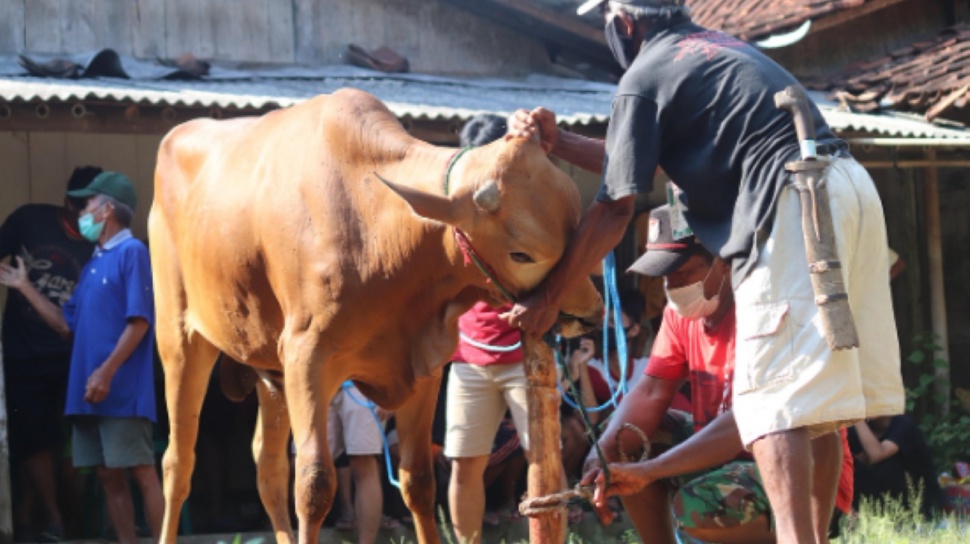
The slaughter of sacrificial animals is one of the most important moments in the celebration of Eid al-Adha. Since it is an act of worship, the process of slaughtering a cow or goat cannot be done carelessly.
Besides ensuring the sacrificial animal is healthy and the slaughtering tool is sharp, Muslims are also encouraged to recite specific prayers and readings during the slaughter process.
It is no surprise that as Eid al-Adha approaches, many people begin to look up the order of recitations when slaughtering a cow or goat for sacrifice so that the execution follows Islamic law.
1. Reciting the Basmalah
The first recitation that must be uttered before slaughtering the sacrificial animal is the basmalah.
Arabic:
بِسْمِ اللَّهِ
Latin:
Bismillah
Meaning:
“In the name of Allah.”
The basmalah signifies that the slaughter is done in the name of Allah SWT, not for any other purpose.
2. Reciting the Takbir
After reciting the basmalah, it is recommended to continue with the takbir.
Arabic:
اللَّهُ أَكْبَرُ
Latin:
Allahu Akbar
Meaning:
“Allah is the Greatest.”
The takbir is a form of glorification to Allah SWT in performing the sacrifice.
3. Reciting the Sacrificial Prayer
Next, recite the prayer taught by the Prophet Muhammad SAW.
Arabic:
اللَّهُمَّ هَذَا مِنْكَ وَلَكَ
Latin:
Allahumma haadzaa minka wa laka.
Meaning:
“O Allah, this is from You and for You.”
This prayer means that the sacrificial animal comes from the sustenance given by Allah SWT and is returned as a form of worship to Him.
4. Mentioning the Name of the Person Sacrificing
If the animal is intended for oneself or family, it is recommended to mention the name of the person making the sacrifice.
Example:
“O Allah, accept the sacrifice from me and my family.”
This is done to clarify the intention of the sacrificial worship.
5. Reciting the Blessing Prayer
Some Muslims also add a prayer so that the sacrifice is accepted and brings blessings.
Example:
“O Allah, accept this sacrifice and make it a righteous deed that You are pleased with.”
Etiquette for Slaughtering Sacrificial Animals
In addition to reciting prayers, there are several recommended etiquettes when slaughtering sacrificial animals:
- Using a sharp knife
- Not hurting or torturing the animal
- Laying the animal down properly
- Facing the qibla if possible
- Slaughtering quickly and precisely
In Islam, sacrifice is not just about slaughtering an animal, but also a form of sincerity, sacrifice, and care for others. Therefore, understanding the procedures and order of recitations during slaughter is important so that the sacrificial worship is carried out according to Islamic guidance.