Activity Agenda
No agenda entries yet.
Latest Video
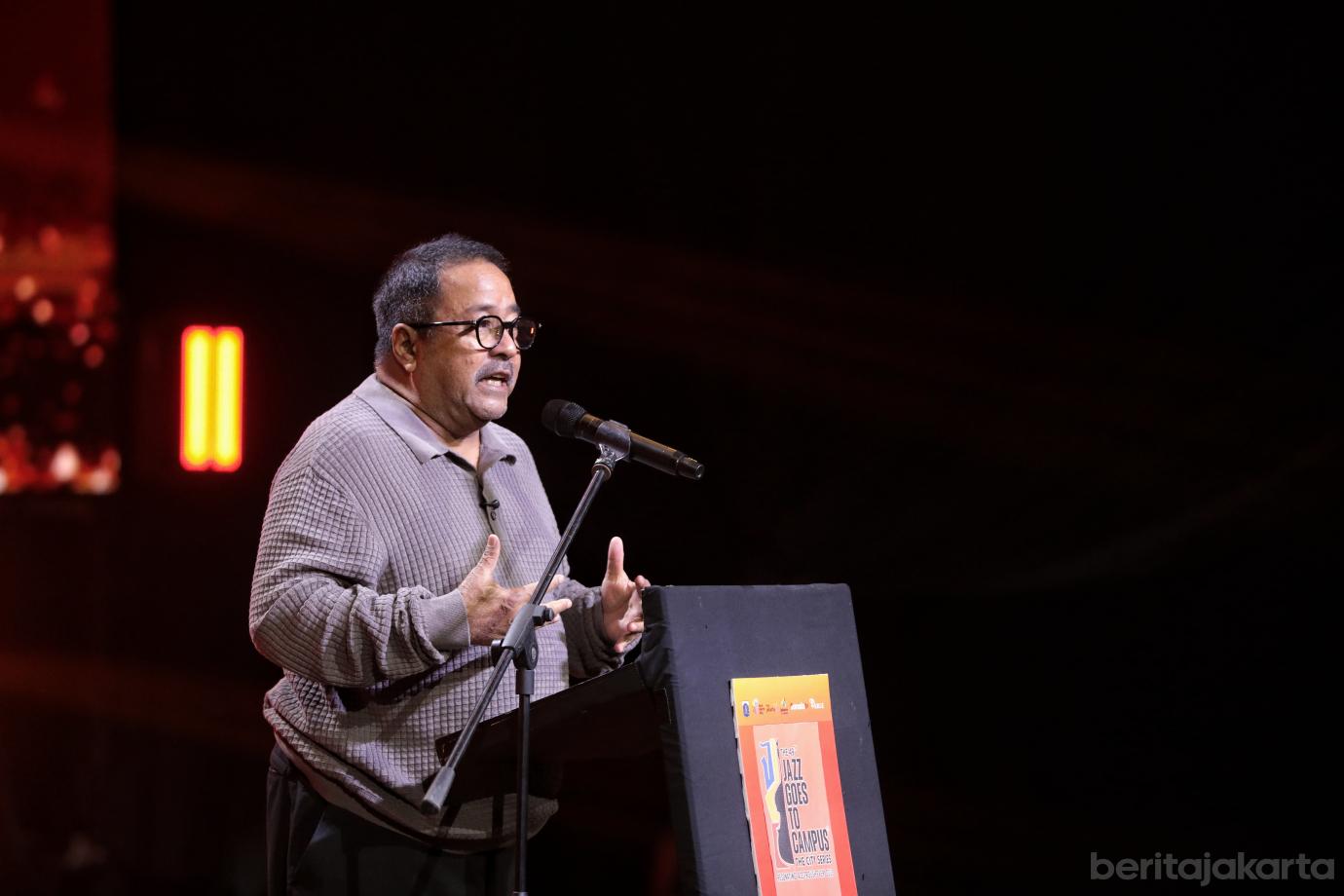
Attending JGTC, Rano Encourages Creative Economy Development in Jakarta
Most Popular News
Government
Economy
Development
Social Welfare
Jakarta
Jakarta is the capital and largest city of Indonesia, located on the northwest coast of Java. Originally a small port town called Sunda Kelapa, it became the colonial capital of the Dutch East Indies under the name Batavia, before being renamed Jakarta after Indonesia’s independence in 1945. Today, it is a bustling metropolis known for its mix of modern skyscrapers, historic sites, and vibrant cultural diversity.
Jakarta
Jakarta is the capital and largest city of Indonesia, located on the northwest coast of Java. Originally a small port named Sunda Kelapa, it was renamed Batavia by the Dutch in the 17th century and became the center of Dutch colonial rule in the East Indies. After Indonesia’s independence, it was renamed Jakarta and has since grown into a sprawling, bustling metropolis known for its blend of modern skyscrapers, historic old town (Kota Tua), and cultural landmarks like the National Monument.
Java
Java is a culturally and historically rich island in Indonesia, known for its ancient kingdoms and stunning temples like Borobudur and Prambanan, which date back to the 8th and 9th centuries. It was a major center of Hindu-Buddhist civilization before the spread of Islam in the 15th and 16th centuries, and later became a key part of the Dutch colonial empire. Today, Java is the world’s most populous island, blending a deep historical heritage with modern urban centers like Jakarta and Yogyakarta.
Sunda Kelapa
Sunda Kelapa is an ancient port in Jakarta, Indonesia, with a history dating back to the 12th century as a key trading hub for the Hindu Sunda Kingdom, particularly for pepper and spices. In 1527, it was conquered by Fatahillah, a commander of the Demak Sultanate, who renamed it Jayakarta, marking the beginning of Jakarta’s modern history. Today, it remains a bustling traditional harbor, famous for its historic Dutch-era warehouses and the iconic pinisi sailing ships.
Batavia
Batavia was the colonial name for present-day Jakarta, Indonesia, established by the Dutch East India Company (VOC) in the early 17th century. It served as the center of Dutch colonial rule in Southeast Asia for over 300 years, playing a key role in the spice trade and regional politics. The city’s name was changed to Jakarta following Indonesian independence after World War II.
<div class="my-4 p-
Jakarta
Jakarta, the capital of Indonesia, is a sprawling metropolis on the island of Java with a history dating back to the 4th century as the port city of Sunda Kelapa. It was later renamed Batavia under Dutch colonial rule, serving as the center of the Dutch East Indies for centuries. After Indonesia’s independence in 1945, it was officially named Jakarta and has since evolved into a dynamic hub of commerce, culture, and government.
Sunda Kelapa
Sunda Kelapa is an ancient port in Jakarta, Indonesia, with a history dating back to the 12th century as a key trading hub for the Hindu Sunda Kingdom. It was later renamed Batavia by Dutch colonizers in the 17th century and played a central role in the spice trade. Today, it remains a historic harbor, known for its traditional wooden schooners and as a symbol of Jakarta’s maritime heritage.
Batavia
Batavia was the colonial name for present-day Jakarta, Indonesia, established by the Dutch East India Company (VOC) in 1619 after they destroyed the previous city of Jayakarta. It served as the administrative and commercial center of the Dutch East Indies for over 300 years, heavily fortified with canals and Dutch-style architecture. The name “Batavia” was officially changed to Jakarta following Indonesia’s independence in 1945.
Java
Java is a culturally and historically rich island in Indonesia, known for its ancient kingdoms and empires, such as the powerful Majapahit and Mataram kingdoms. It is home to iconic sites like Borobudur, the world’s largest Buddhist temple built in the 9th century, and the Prambanan Hindu temple complex. Today, Java remains the political and economic heart of Indonesia, with its bustling capital, Jakarta, and vibrant traditions in dance, music, and batik art.
Borobudur
Borobudur is a 9th-century Mahayana Buddhist temple located in Central Java, Indonesia, built during the Sailendra dynasty. It is the world’s largest Buddhist temple, featuring nine stacked platforms and over 2,600 relief panels that depict Buddhist teachings. After centuries of abandonment due to volcanic eruptions and neglect, it was rediscovered in the 19th century and later restored, becoming a UNESCO World Heritage site and a major pilgrimage destination.
Prambanan
Prambanan is a stunning 9th-century Hindu temple complex located in Central Java, Indonesia, dedicated to the Trimurti: the three main Hindu gods Brahma, Vishnu, and Shiva. Built during the reign of the Mataram Kingdom, it is the largest Hindu temple site in Indonesia and a UNESCO World Heritage Site, showcasing intricate stone carvings and towering spires. The central temple, dedicated to Shiva, stands at 47 meters tall and was constructed to honor the return of Hinduism to the region after a period of Buddhist influence.
Kota Tua
Kota Tua, or “Old Town,” is a historic district in Jakarta, Indonesia, that served as the administrative center of the Dutch East India Company (VOC) during the 16th century. The area features well-preserved Dutch colonial architecture, including landmarks like the Jakarta History Museum (formerly the city hall), and reflects the city’s role as a major colonial trading port. Today, it is a popular cultural site where visitors can explore museums, street art, and vibrant local cafes.
National Monument
The National Monument, often referring to the National Monument in Jakarta, Indonesia, is a 132-meter (433 ft) tower symbolizing the struggle for Indonesian independence. Construction began in 1961 under President Sukarno and was completed in 1975, with the monument’s flame-shaped peak covered in gold leaf. It serves as a prominent landmark and houses a museum detailing the country’s history from pre-colonial times through the fight for freedom.