Bandung –
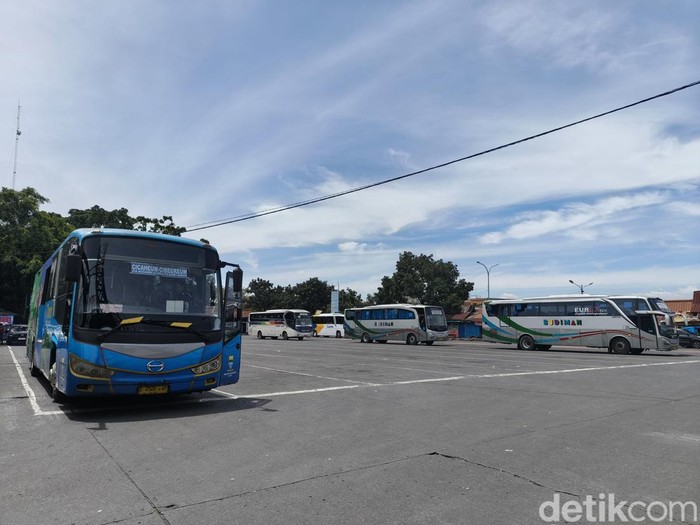
The transition of activities at Cicaheum Terminal in Bandung City has now begun. All journeys of inter-provincial city transport (AKAP) and intra-provincial city transport (AKDP) fleets have been officially moved to Leuwipanjang Terminal.
As known, Cicaheum Terminal was a central travel hub for residents of Bandung City heading to eastern Java, such as Yogyakarta, Solo, and Surabaya. However, the terminal is now being phased out as it is repurposed into a depot for the Greater Bandung Bus Rapid Transit (BRT) system.
As of today, Tuesday, May 26, 2026, transportation activities at Cicaheum Terminal have been suspended. Its services are transferred to Leuwipanjang Terminal in accordance with the established policy.
The head of Cicaheum Terminal stated that bus company (PO) managers had received a circular letter since Monday, May 25. They have agreed to move their fleets from Cicaheum to Leuwipanjang Terminal.
“We are also continuously socializing here, both through loudspeakers for fleet passengers. So as of today, all AKAP and AKDP fleets have their services transferred to Leuwipanjang,” said the head when contacted.
However, he noted that PO companies are still allowed to serve passenger departures at Cicaheum Terminal. This is because some passengers have already booked travel tickets online from that location.
“But here, there are some passengers who don’t know yet, who have bought tickets. So from the fleet side, they only come here to pick them up and then depart immediately. However, all fleets must enter Leuwipanjang Terminal first,” he explained.
Concluding the interview, he urged PO entrepreneurs to comply with the established policy. He also hopes all parties can support the government program that will build the Greater Bandung BRT project by repurposing Cicaheum Terminal.
“So our appeal is, because Cicaheum Terminal will be turned into a depot, we ask for full support for the good of all of us. And hopefully, with this transfer to Leuwipanjang Terminal, it can reduce congestion in the Bandung area,” he concluded.