RADARBANDUNG.ID, ROME– (GSF) Algeria’s Muhammed Harkati has been released from the grip of the military, but his arm still hurts. He says he feels pain after being struck several times during interrogation after the ship he was on was intercepted near Cyprus.
“Our mission was a humanitarian and peace mission. However, while we were in the waters, we were attacked and kidnapped. After that, we were held in prison,” he told Anadolu Agency. Similarly, Turkey’s Bulal Kitay described how he and all the volunteers were beaten from the moment they were detained.
“We were all beaten, both women and men,” he said after arriving in Istanbul, Turkey, on Thursday evening (May 21) after being extradited from Ashdod, as reported by Daily Sabah. A total of 422 GSF activists/volunteers from 44 countries have been released. Previously, on Monday (May 18) and Tuesday (May 19), the 50-ship GSF convoy was intercepted and hijacked by the Israeli military while heading to the Gaza Strip to deliver humanitarian aid.
They were then taken to Ashdod, a city on Israel’s southern side. Before being released, as Kitay recounted, they were first abused or subjected to violence, including the nine Indonesian citizens (WNI) who were also kidnapped.
The Ministry of Foreign Affairs (Kemenlu) has confirmed that the freed Indonesian citizens will arrive in the country tomorrow (May 24) afternoon. Currently, they are still in Istanbul undergoing several examinations.
“The Minister of Foreign Affairs (Sugiono) has also spoken with the nine Indonesian citizens,” said the Indonesian Ambassador to Turkey, Achmad Rizal Purnama, when confirmed from Jakarta on Thursday evening (May 21).
According to him, the nine Indonesian citizens will undergo several procedures first, including testimony, medical examination, and health checks by Turkish authorities. Floating Concentration Camp Harkati said that after arriving at the Port of Ashdod, the activists were moved to a prison in the Negev Desert. There, he said, the activists were handcuffed with plastic and metal.
“During interrogation, they tied us tightly. Soldiers who moved us from one room to another also beat us,” he said.
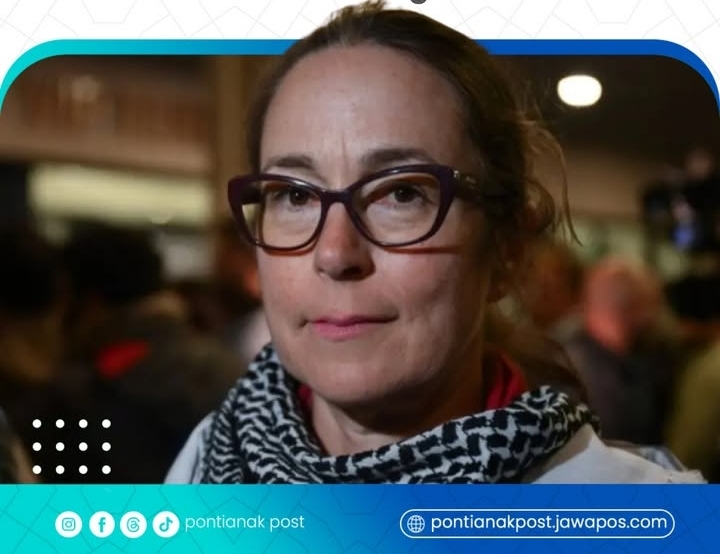
Mauritanian activist Muhammed Baba also claimed he was attacked by guard dogs before being taken to prison. “They released guard dogs toward me,” he said. According to Baba, this was done when authorities saw that the detainees showed no fear. In Rome, Italian activist Luca Poggi said the conditions this time were far worse than his previous experience on similar missions. “Last time we were humiliated, but basically we returned unharmed. This time we really came back with broken bones,” he said.
Marco Orefice, also a GSF volunteer who was kidnapped, described how the ship where they were held was like a floating concentration camp. About 50 people were crammed into one narrow container without protection from the cold. “The only way to stay warm was to huddle together like sardines,” he said.
However, amidst all the stories of violence, most activists said their experience actually strengthened their solidarity with Palestine. They believe what they experienced is only a small part of the daily life of Gaza residents. Israel denies all allegations of abuse. “The activists’ claims are false and baseless,” said Israel Prison Service spokesperson Zivan Freidin.
In Good Health Meanwhile, in a video uploaded by Sugiono on his personal Instagram account and that of the Ministry of Foreign Affairs, Indonesian Consul General in Istanbul Darianto Harsono is seen welcoming the freed Indonesian citizens at the airport.
“Alhamdulillah, we are together with our nine brothers who were part of the GSF mission, in good health,” he said. However, he said, like other kidnapped activists, the Indonesian citizens also experienced violence. “Some of them experienced physical violence, being kicked, beaten, and electrocuted,” he explained.