The Regional House of Representatives of West Java Province is urging the West Java Education Office to strengthen socialization of the 2026 New Student Admissions System, including a new stage called the New Student Candidate Mapping. In addition to system education issues, the parliament also sharply highlighted the readiness of digital server capacity, which had been complained about by the public due to technical disruptions during the online registration process.
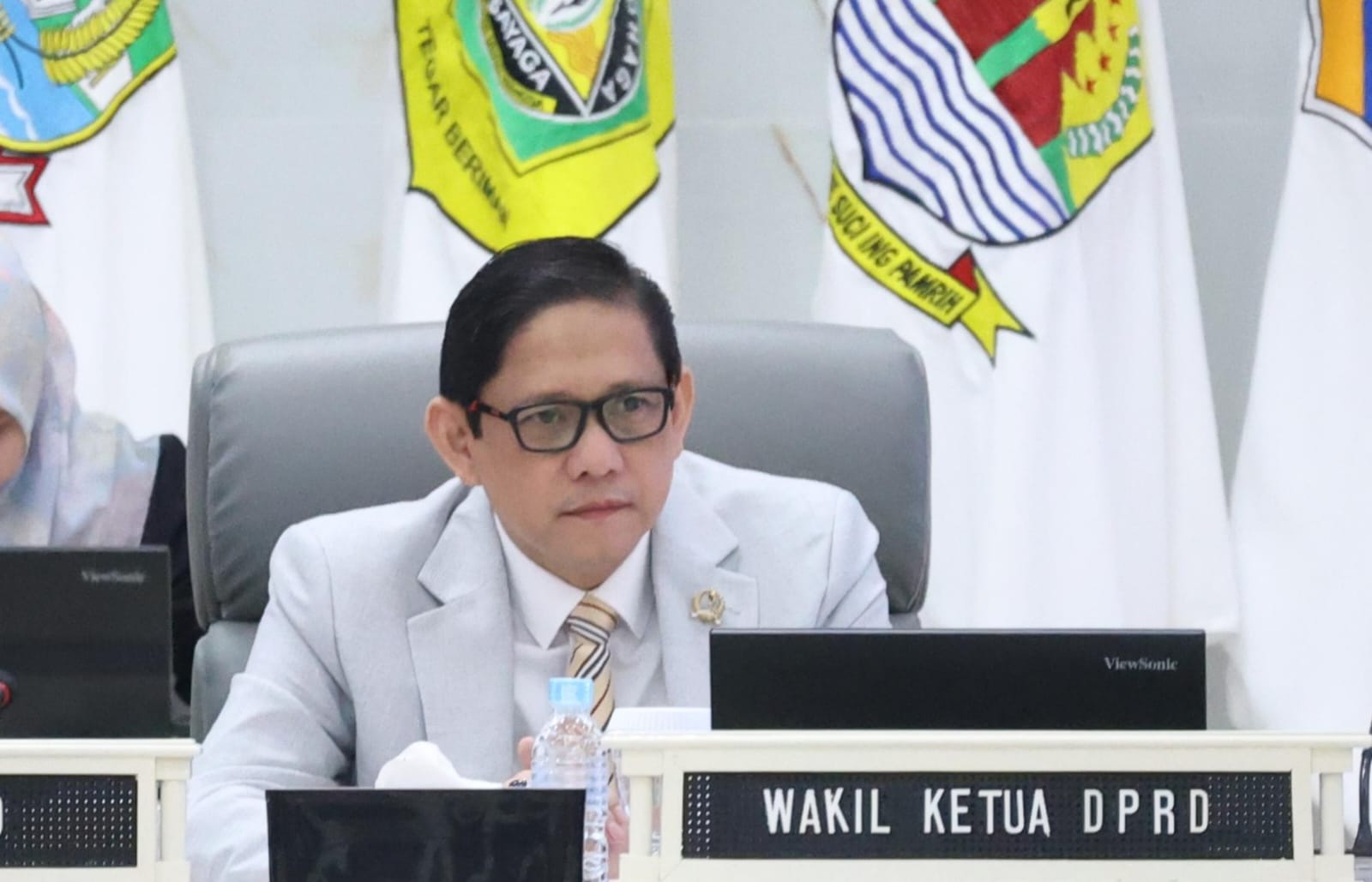
This strategic demand was directly conveyed by the Deputy Chair of the West Java DPRD, after holding a coordination meeting with the Vice Governor of West Java and the Regional Secretary to discuss various crucial issues arising in the implementation of this year’s SPMB.
According to the Deputy Chair, the wave of complaints emerging in the community could actually be optimally minimized if the West Java Education Office conducted socialization steps earlier, more massively, and comprehensively regarding the new system being implemented this academic year.
“We hope that in the future, the Education Office can conduct socialization much earlier. The system being implemented is relatively new, so many people do not yet understand the technical stages like PCMB, a selection stage previously unknown to parents,” said the Deputy Chair in Bandung on Tuesday.
The legislator assessed that the people of West Java need a complete and transparent explanation of the standard selection mechanism, including the various regulatory stages that every new student must go through. Furthermore, the West Java DPRD asked the Education Office to improve the readiness and competence of the Human Resources acting as managers of the student admissions system, to prevent recurring technical obstacles that harm the rights of the community.
To accommodate various technical issues in the field while providing broader opportunities for the community, the SPMB registration period, originally scheduled to end on Monday evening, was officially extended until Tuesday at 9:00 PM local time.
“Yesterday, it was decided to take a regulatory adjustment step in the field. The registration deadline, which originally ended at midnight, has now been officially extended until today at 9:00 PM local time,” the Deputy Chair stated firmly.
Server Infrastructure and HR Competence Highlighted by Parliament
Information technology infrastructure became the main focus of the West Java DPRD following the widespread complaints from parents regarding system disruptions and server congestion during the registration access process. The Deputy Chair urged the Education Office not only to focus on strengthening supporting technological devices but also to ensure the reliability of the operators running the system.
“We strongly urge the Education Office to prepare the server infrastructure much better in the future. Not only by providing newer and more sophisticated hardware equipment, but the mental and technical capacity readiness of the behind-the-scenes HR must also be ensured to be adequate,” the Deputy Chair emphasized. According to him, the readiness of digital governance is the most determining factor considering that the entire SPMB graduation process currently depends entirely on the stability of the online system.
Despite issuing strong criticism regarding the technical aspects and weak socialization, the West Java DPRD asked the public not to panic about the availability of school seats in the West Java region. Based on aggregate data collected from the West Java Provincial Government, the total number of graduates from junior high schools, Islamic junior high schools, and equivalent schools in West Java this year reached 826,996 students.
Meanwhile, the total cumulative capacity available at the senior high school, vocational high school, and Islamic senior high school levels—both public and private—was recorded at 909,183 seats, or equivalent to 109 percent of the total number of graduates. Thus, mathematically, the available seat quota in West Java is far greater than the number of graduating students.
Of the total school capacity, approximately 363,000 seats are in public schools, while the remaining 546,000 seats are available in the private school network. As of this hour, most registrants have reportedly been successfully accommodated into the system. The remaining approximately 100,000 students who have not yet been recorded are targeted to be fully allocated to their target schools before the system closes at 9:00 PM local time.
Meanwhile, for the category of Superior Schools or Maung Schools, the number of registrants has surged to around 38,000 students, while the available capacity only limits the quota to 21,618 seats. For participants who do not pass the selection for Maung Schools, the committee will direct them to other public superior schools through the PCMB mechanism, and the rest will be channeled to private schools.
The West Java