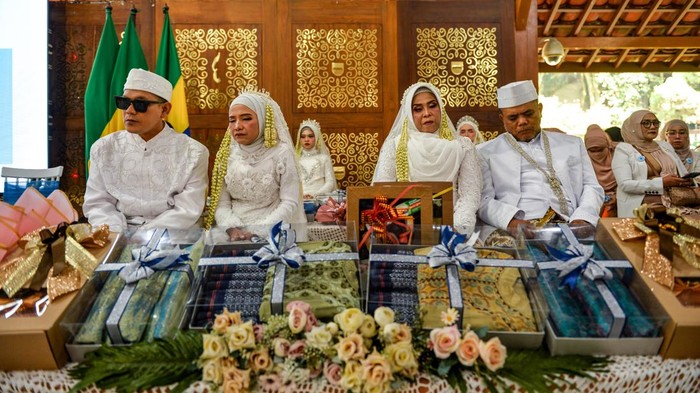
Bandung – Disabled couples participate in a mass wedding in Bandung. The event was held to welcome Ramadan.
Bandung
Bandung, the capital of West Java, Indonesia, is a vibrant city known for its colonial architecture and cool mountain climate, earning it the nickname “Paris of Java.” Historically, it gained prominence as a center for the Indonesian independence movement and hosted the historic 1955 Asia-Africa Conference, which brought together newly independent nations. Today, it remains a hub for culture, education, and creative industries.
Bandung City Hall
Bandung City Hall, located in the heart of Bandung, Indonesia, is a historic colonial-era building completed in 1927. Designed in the Art Deco style by architect E.H. de Roo, it originally served as the administrative center for the Dutch colonial government. Today, it remains the seat of the city’s mayor and is a popular landmark, often surrounded by the lively Bandung City Square.
West Java
West Java is a province in Indonesia known for its rich cultural heritage, including the Sundanese traditions, and its stunning natural landscapes like volcanoes and tea plantations. Historically, it was part of the ancient Sunda Kingdom and later became a key region during the Dutch colonial era, with Bandung serving as a major administrative and cultural center. Today, it remains a vibrant area blending modern development with traditional customs.
Bandung City Hall
Bandung City Hall is a historic colonial-era building located in the heart of Bandung, Indonesia. Originally constructed in the 1920s during the Dutch East Indies period, it served as the administrative center for the city and is a prime example of Art Deco architecture. Today, it remains the official seat of the Bandung municipal government and is a popular landmark, often surrounded by the lively city square known as Alun-Alun Bandung.
Bandung City Square
Bandung City Square, known locally as Alun-Alun Bandung, is a historic public square located in the heart of Bandung, Indonesia. Originally developed during the Dutch colonial era in the early 19th century, it served as a central gathering point and administrative hub, surrounded by key colonial buildings like the Bandung City Hall. Today, the square is a popular recreational area, featuring a large open lawn, fountains, and the iconic Bandung Mosque, reflecting the city’s blend of colonial heritage and modern urban life.
<div class="my-4 p-4 rounded-lg shadow-md bg-blue-50 border
Bandung City Hall
Bandung City Hall, located in the heart of Bandung, Indonesia, is a historic colonial-era building originally constructed in the early 20th century as part of the Dutch East Indies administration. Designed by architect J. Gerber, it features a distinctive blend of European and local architectural styles, and has served as the city’s administrative center since Indonesia’s independence. Today, it remains a key government hub and a popular landmark, often surrounded by vibrant public spaces and cultural events.
Bandung City Square
Bandung City Square, known locally as Alun-Alun Bandung, is a historic public square located in the heart of Bandung, Indonesia. Originally built during the Dutch colonial era in the early 20th century, it served as a central gathering point and market area. Today, the square features a modern park, a large fountain, and is a popular spot for locals and tourists to relax and enjoy the city’s vibrant atmosphere.
Alun-Alun Bandung
Alun-Alun Bandung is a historic public square located in the heart of Bandung, Indonesia, originally built during the Dutch colonial era as a central gathering space. It has served as a focal point for civic activities, markets, and cultural events, and features a distinctive grass-covered area with the iconic Bandung City Mosque (Masjid Raya Bandung) on its western side. Today, it remains a popular spot for locals and tourists, blending colonial heritage with modern urban life.
Bandung Mosque
The Bandung Mosque, officially known as the Great Mosque of Bandung, is a prominent landmark in West Java, Indonesia. Originally built in the early 19th century, its architecture blends traditional Sundanese, Islamic, and European colonial styles, reflecting the city’s diverse history. It serves as a major center for worship and community activities, symbolizing Bandung’s cultural and religious heritage.
Asia-Africa Conference
The Asia-Africa Conference, also known as the Bandung Conference, was a historic meeting held in Bandung, Indonesia, in April 1955. It brought together leaders from 29 newly independent Asian and African countries to promote economic and cultural cooperation and to oppose colonialism and neocolonialism. The conference marked a pivotal moment in the emergence of the Non-Aligned Movement and the Global South’s collective voice on the world stage.