The case that resulted in the death of a student in Bandung has finally begun to see progress. The police have officially named six suspects in the tragic death of a student from SMAN 5 Bandung with the initial M, following intensive investigation and the collection of sufficiently strong evidence.
The suspects were named by the Criminal Investigation Unit after a series of in-depth investigative processes. The police confirmed that the six individuals are strongly suspected of being directly involved in the violent act that led to the victim’s death.
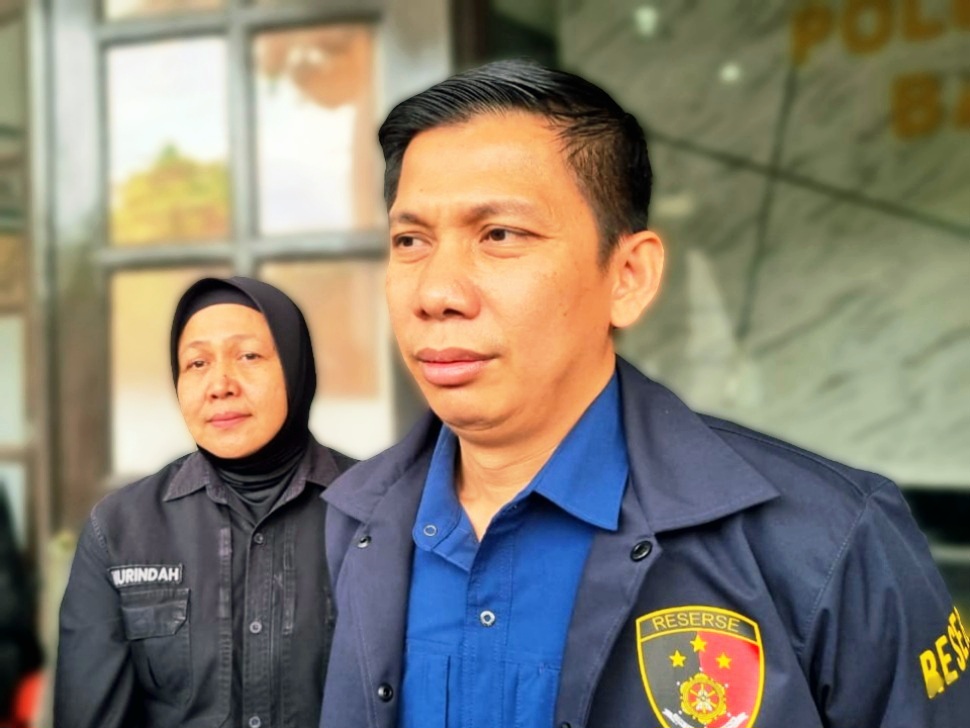
The Head of the Criminal Investigation Unit of Bandung Police, AKBP Anton, stated that this legal step was taken based on evidence gathered by investigators. The case was uncovered gradually by examining a number of witnesses and collecting clues at the crime scene.
“We have named six suspects allegedly involved in the incident that caused the death of the minor victim,” said Anton while providing a statement at the Bandung Police Headquarters on Tuesday, April 21, 2026.
The facts that emerged in this case added to public concern. All the suspects named turned out to still be high school students, so the legal process cannot be treated the same as that for adult perpetrators.
Referring to the provisions of the Juvenile Criminal Justice System Law, the police applied special procedures in handling this case. The approach taken is not only focused on law enforcement but also considers aspects of child protection.
During the examination process, the police also involved several related institutions to provide assistance to the suspects. This was done to ensure that the children’s rights are fulfilled throughout the legal process.
Anton explained that his party has coordinated with various agencies such as the Regional Child Protection Commission, the Social Services Department, and the Correctional Center to assist the perpetrators.
SMAN 5 Bandung
SMAN 5 Bandung is a prominent public high school located in Bandung, Indonesia, established in 1950. Originally known as SMA Negeri 2 Bandung, it later became SMA Negeri 5 Bandung and has since built a reputation for academic excellence and producing notable alumni. The school is also recognized for its historic campus, which reflects the architectural heritage of the city.
Bandung Police Headquarters
The Bandung Police Headquarters, located in Bandung, Indonesia, is a historic colonial-era building that originally served as the headquarters of the Dutch East Indies police force. Constructed in the early 20th century, the building reflects Dutch architectural influences and played a key role in maintaining law and order during the colonial period. Today, it continues to function as a major police command center, symbolizing the evolution of law enforcement in the city.
Juvenile Criminal Justice System Law
The “Juvenile Criminal Justice System Law” typically refers to legislation that establishes a separate legal framework for handling minors accused of crimes, prioritizing rehabilitation over punishment. Originating in the late 19th and early 20th centuries, such laws were pioneered in the United States with the first juvenile court in 1899, and have since evolved globally to balance accountability with the developmental needs of youth. This system often includes specialized courts, diversion programs, and confidentiality protections to reduce stigma and recidivism.
Regional Child Protection Commission
The Regional Child Protection Commission is an administrative body established to safeguard children’s rights and welfare within a specific region, often operating under national child protection laws. Its history typically stems from increased awareness of child abuse and neglect, leading to the creation of dedicated agencies to coordinate prevention, intervention, and support services. The commission works with local authorities and organizations to investigate cases, provide resources, and ensure a safe environment for children.
Social Services Department
The Social Services Department is a government or municipal agency responsible for administering welfare programs, public assistance, and support services to vulnerable populations. Its modern form emerged in the 20th century, particularly during the Great Depression and post-World War II era, as societies expanded safety nets to address poverty, unemployment, and disability. Today, it plays a crucial role in connecting individuals with resources like food aid, housing assistance, and child protective services.
Correctional Center
A correctional center, commonly known as a prison or jail, is a facility designed to detain individuals who have been convicted of crimes, with the primary goals of punishment, rehabilitation, and public safety. Historically, these institutions evolved from early dungeons and workhouses, with modern correctional systems emerging in the 18th and 19th centuries, emphasizing reform over mere confinement. Today, correctional centers vary widely in their conditions and approaches, reflecting ongoing debates about justice, human rights, and the effectiveness of incarceration.