)
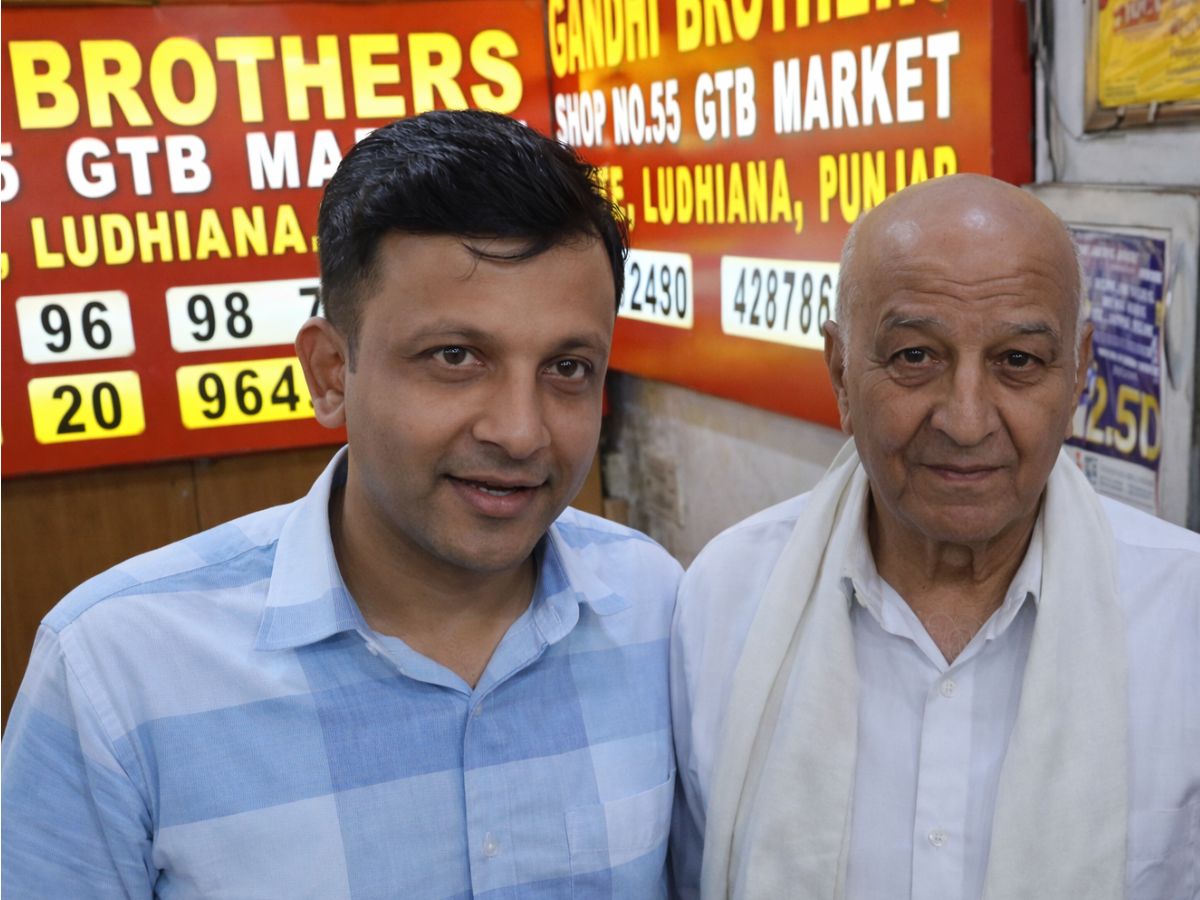
Punjab Baisakhi Lottery Ludhiana: When the higher power gives, it gives generously. This proved true in Ludhiana, Punjab, when an 80-year-old retired postmaster from Delhi became a millionaire overnight after buying a ticket from a city lottery agency. The lottery ticket he purchased won a prize of 6 crore rupees. For Om Prakash, a retired postmaster from West Vihar, Delhi, this Baisakhi brought immense joy. Om Prakash had been buying lottery tickets for the past 30 years. The holy month of Baisakh began on April 3. Om Prakash bought this ticket on April 1 from Gandhi Brothers lottery shop number 55, located at Ghanta Ghar.
500 rupee ticket wins 6 crore, lucky number B-series 520720
On April 18, the first prize of 6 crore rupees from the Baisakhi bumper was drawn. The first prize number is B-series 520720. Om Prakash bought this lottery for 500 rupees. Thus, 500 rupees won him a 6 crore prize. His entire family was shocked when they learned about the bumper lottery win.
Passion changed life
Om Prakash said, ‘I liked playing the lottery. I often used to get lottery tickets from relatives via courier. When I checked the lottery application, I found out that I had won the bumper. We called Gandhi Brothers, but couldn’t talk that day. The next day, they called us to Ludhiana. They helped us claim the lottery. Only our documents were needed to claim the lottery; not a single extra penny was taken from us.’
Celebration in the family
Om Prakash’s son Manoj takes care of his father and the entire family. Om Prakash, a resident of Delhi, said that he had never won any prize before. The retired postmaster from Delhi used to visit his relatives in Ludhiana often. His sister-in-law lives in Ludhiana. Upon winning the prize, he first told his son Manoj that the draw had come out. He also said that it would take 10 to 15 days to receive the lottery money.
The family celebrated at the center. There is a festive atmosphere in the entire family. His son Manoj said that his father gets a pension from the post office, so he is not greedy for money. They will use this money properly. They will also help the needy in the area and orphanages. This money means a lot.
Upon hearing this news, a devotional song for the mother goddess came to mind. You can read it here and hum along, and pray to the mother goddess to brighten your luck and fill your lap.
Offering to the mother – Make me win a ten crore lottery (lagva de maiya lottery das crore ki Lyrics in Hindi)
Make me win a lottery, mother, make me win, mother…victory! Make me win a lottery, of ten crores. I have heard that from your door, you never send anyone away empty-handed,
You fill everyone’s laps, you break no one’s heart, make me win, mother…victory! A lottery, of ten crores.
Make my dreams come true. I will always sing your praises. I want to take a happy, grand life, buy a bungalow, buy a car.
You, in the midst of my troubles…victory! You never abandon your devotees, make me win, mother…victory! A lottery…
You fill a pot with an ocean. You turn mud into gold. You make a poor man a king, you wake up sleeping fortunes in an instant.
To give happiness to your beloved ones…victory! You wear a red veil, make me win, mother…victory! A lottery…
Mother, change my body too. Show me a miracle, mother. Fulfill all my desires, brighten the stars of my destiny.</p