Google is a multinational technology company founded in 1998 by Larry Page and Sergey Brin while they were Ph.D. students at Stanford University. It began as a search engine project called “
Delhi High Court
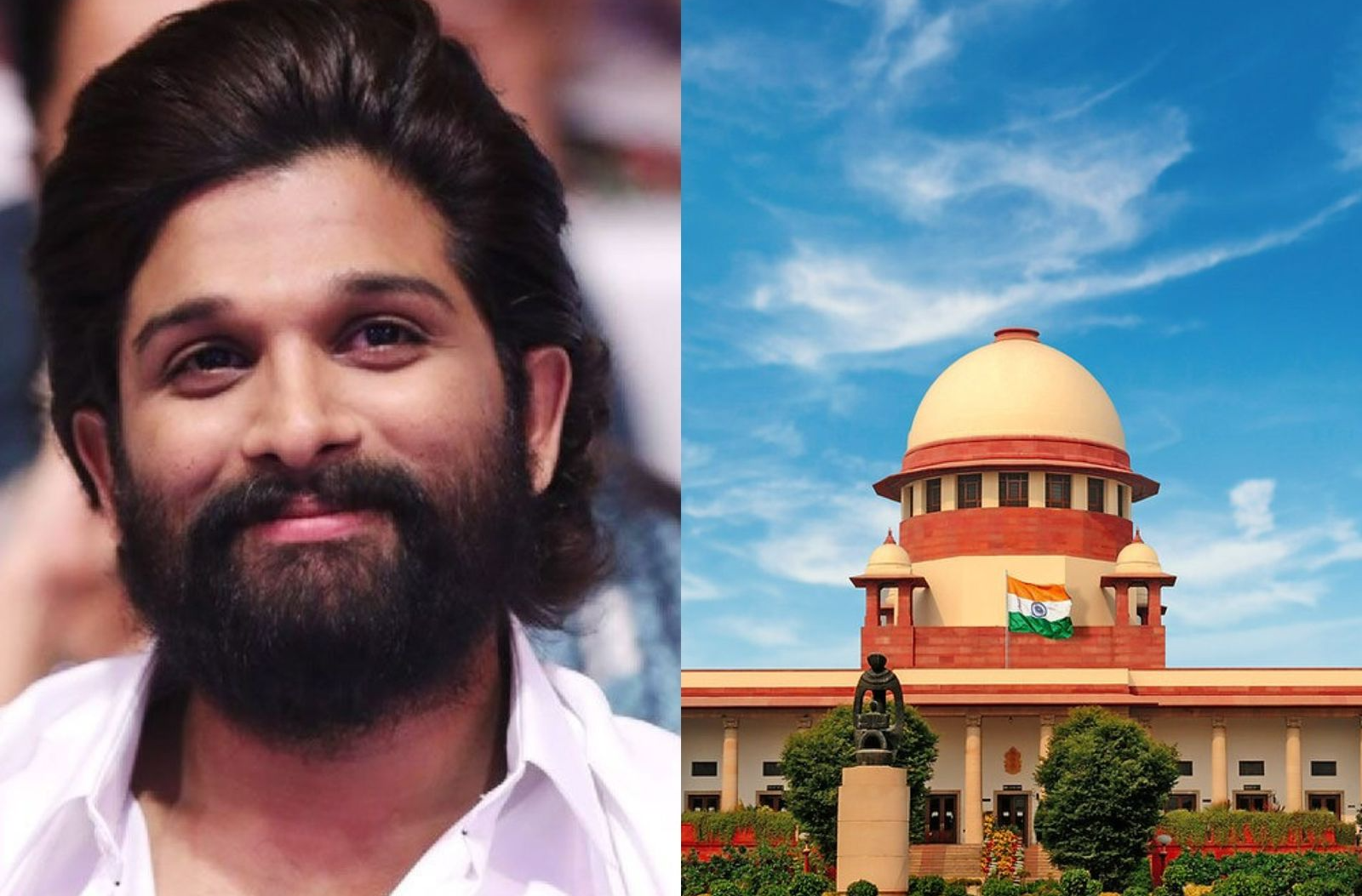
The Delhi High Court is one of India’s oldest and most prominent high courts, established in 1966 following the division of the former Punjab High Court. It is housed in a grand colonial-era building on Sher Shah Suri Marg, originally constructed in the early 20th century to serve as the seat of the Punjab High Court before India’s independence. The court holds jurisdiction over the National Capital Territory of Delhi and is a key institution in India’s judicial system, known for landmark rulings on constitutional and civil rights matters.
Sher Shah Suri Marg
Sher Shah Suri Marg is a major arterial road in Delhi, India, named after the 16th-century Afghan ruler Sher Shah Suri, who founded the Sur Empire. Historically, the road follows the alignment of the ancient Grand Trunk Road, a historic trade and military route significantly renovated and extended by Sher Shah Suri himself. Today, it serves as a key modern thoroughfare connecting important areas like Connaught Place with the eastern parts of the city.
Punjab High Court
The Punjab High Court, originally established in Lahore in 1919 during British rule, is one of Pakistan’s oldest and most significant judicial institutions. Following the partition of India in 1947, it became the principal high court for Pakistan’s Punjab province, and its jurisdiction was later divided in 1974 with the creation of the Lahore High Court (for Pakistani Punjab) and the Punjab and Haryana High Court (for the Indian states of Punjab and Haryana). It is renowned for its historic colonial-era building and its role in shaping constitutional law in the region.
India
India is a vast South Asian country with one of the world’s oldest continuous civilizations, dating back over 5,000 years to the Indus Valley. Its long and complex history is marked by the rise of major religions like Hinduism and Buddhism, successive empires, Mughal rule, and British colonization before gaining independence in 1947. Today, it is a vibrant, pluralistic republic renowned for its diverse cultures, languages, and iconic sites like the Taj Mahal.
Sanskrit
Sanskrit is a classical language of ancient India and the primary liturgical language of Hinduism, Buddhism, and Jainism. With a history dating back over 3,500 years, it is the root of many modern Indian languages and was used for foundational philosophical, scientific, and literary texts like the Vedas. Though no longer a common spoken language, it remains in active scholarly and ritual use today.
Hindi
“Hindi” is not a specific place or cultural site, but a major language of India and one of the official languages of the Indian government. It is a direct descendant of Sanskrit and evolved over centuries, with its modern standard form heavily influenced by the Khariboli dialect of the Delhi region. As a key part of India’s cultural identity, it is the primary language of a vast body of literature, cinema, and media.
Bollywood
Bollywood is the popular name for India’s Hindi-language film industry, based in Mumbai, which began with the country’s first silent feature film, *Raja Harishchandra*, in 1913. It has since grown into one of the world’s largest and most prolific film production centers, renowned for its vibrant musical numbers, dramatic storytelling, and significant cultural influence both within India and across the global diaspora.
Stanford University
Stanford University is a private research university in California, founded in 1885 by railroad magnate Leland Stanford and his wife, Jane, in memory of their only child, Leland Stanford Jr. It officially opened in 1891 and has since grown into one of the world’s leading institutions for education and innovation, known for its entrepreneurial spirit and pivotal role in the development of Silicon Valley.