New Delhi:
For Arvind Kejriwal, the same hands that once welcomed him as a sign of loyalty ended up being the Judas kiss.
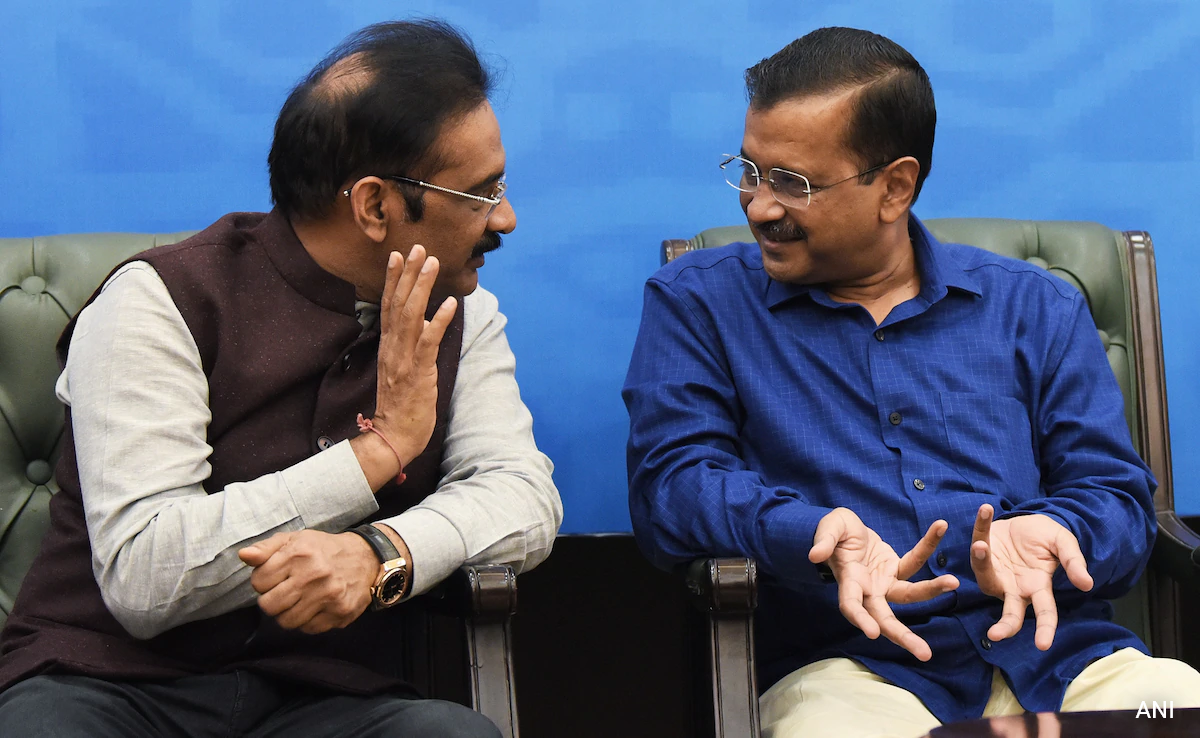
Ashok Mittal, who quit AAP to join BJP on Thursday, had hosted Kejriwal and his family at his official residence – the 5 Ferozeshah Road near Mandi House in Delhi – shortly after the former Chief Minister resigned in 2024 following his release on bail in the excise policy case. Mittal was allocated the bungalow owing to his position as a Rajya Sabha MP.
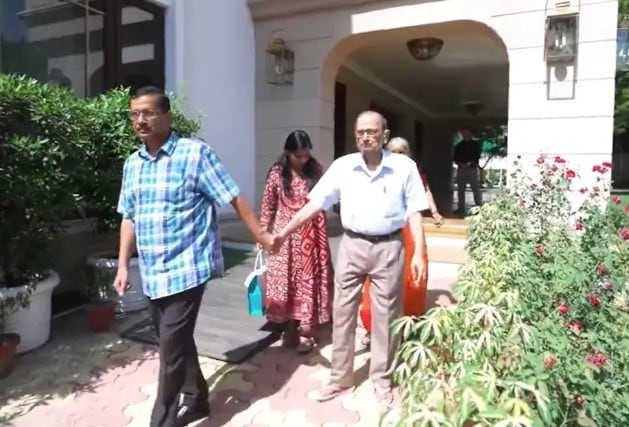
Kejriwal’s stay at his colleague’s house lasted for a little over a year.
On April 24, Kejriwal moved out of Mittal’s house and shifted into the type-VII government bungalow in Lodhi Estate – the residence allotted to him by the Centre on account of his being the head of a national party. Hours later, Kejriwal was dealt a major blow when Mittal resigned from his party and joined its rival, the BJP – a move that could seem like a betrayal to the AAP supremo.
Along with him, Swati Maliwal, Harbhajan Singh, Sandeep Pathak, Rajinder Gupta, and Vikram Sahney also quit AAP and joined the BJP.
Resignations in AAP
There have been reports of growing tensions within the AAP, including differences with the party leadership over various issues.
The first signs of snipping in the party broke cover on April 2 when Kejriwal sacked Chadha as the party’s deputy leader in the Rajya Sabha and appointed Mittal instead. Sources close to Chadha said that the party wanted to ‘silence him’. Had Chadha resigned alone, he would have immediately lost his Rajya Sabha membership under the anti-defection law. According to the Constitution, a Rajya Sabha member is protected from disqualification only if at least two-thirds of the party’s legislators agree to a merger with another party.
Maliwal’s name in the list was not unexpected – given the 41-year-old’s relationship with the party broke down completely in May 2024 after she accused Kejriwal’s aide, Bibhav Kumar, of assaulting her at the then-Chief Minister’s residence.
Arvind Kejriwal’s last-ditch unity bid
Sources said that to at least five of the six leaders in the next term, provided they quit now if they are not happy in the party for any reason. He had told the MPs that if "you have any apprehension, you should resign from your posts and you will be given tickets again in the next term."
Kejriwal had also called the MPs to his house on Friday evening to discuss the matter.
But the meeting never happened, as the MPs announced their departure hours earlier.
5 Ferozeshah Road
5 Ferozeshah Road
Mandi House
Lodhi Estate
Related news
‘Akhilesh Yadav is my friend, he even helps me…’, said PM Modi in the House, then the SP chief joined hands.
Fake letter about UKSSSC exam goes viral; commission clarifies and urges candidates to stay vigilant.
Emperor Chaudhary’s strict message: ‘If the problem is not resolved in 30 days, officials will be suspended on the 31st day.’
Modi government gives gift to central employees, increases dearness allowance by 2%.