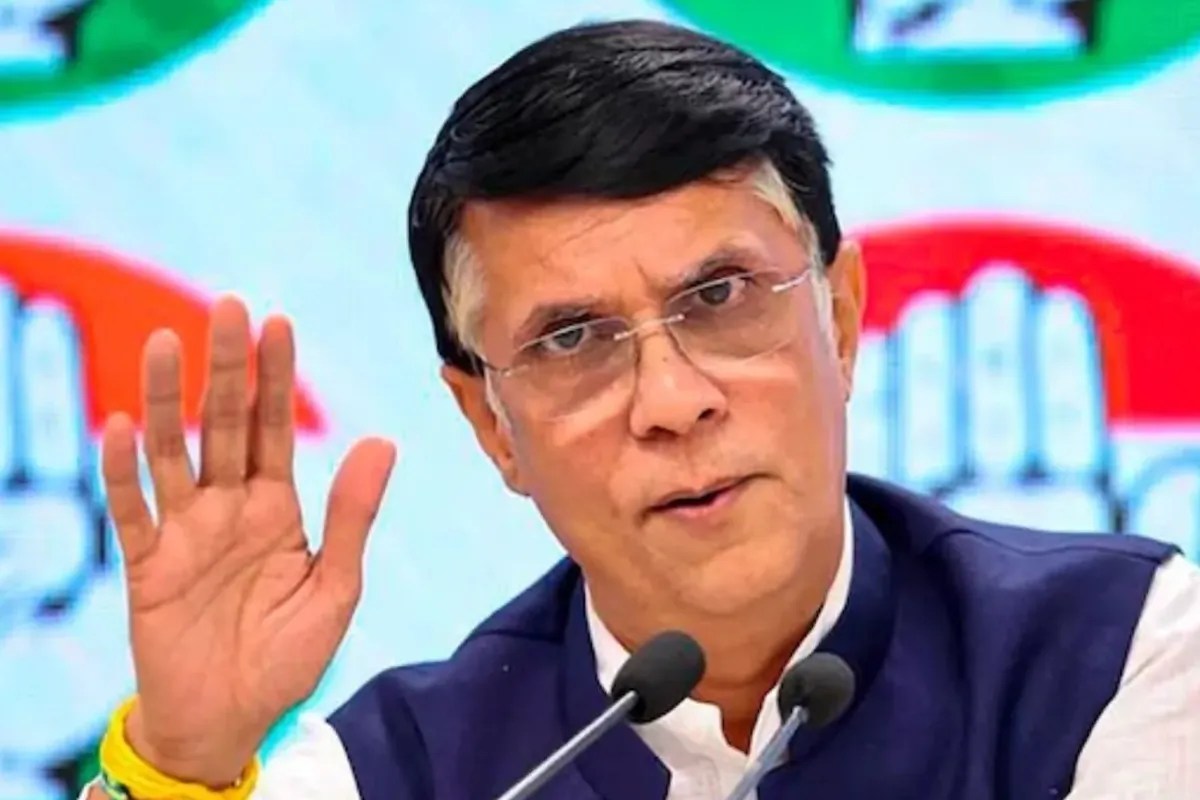
Congress Attacks PM Modi: The ongoing crisis in the Middle East has caused global turmoil over oil and LPG gas. Many countries are struggling with shortages and rising prices of petrol and diesel. However, the Indian government claims that the impact on the country has not been significant. But over the past five days, petrol and diesel prices in India have increased twice. Congress has launched a strong attack on Prime Minister Narendra Modi over the rising oil prices.
Regarding the increase in fuel prices, Congress has taunted the central government. Senior Congress leader Pawan Khera said, ‘This is the second increase in five days. We just want to ask Narendra Modi ji: why do you want to kill Indian citizens in installments? Finish them off in one go.’

Congress National President Mallikarjun Kharge launched a sharp attack on Prime Minister Narendra Modi over the rising prices of essential commodities including fuel and fertilizers, calling the situation an economic failure of the central government. Addressing journalists in Bengaluru, Kharge accused the Prime Minister of lacking the necessary foresight and vision to tackle the growing economic challenges at the national and international levels. The Congress president expressed deep concern over the continuous depreciation of the Indian rupee against the US dollar and warned of further economic pressure on the common man.
It is noteworthy that petrol and diesel prices increased in the country on Tuesday. This time, prices rose by 90 paise per liter. This is the second increase in petrol and diesel prices in five days. Earlier, on May 15, there was an increase of 3 rupees per liter.
After the latest increase of 0.87 paise today, the price of petrol in Delhi rose from 97.77 rupees to 98.64 rupees per liter. Diesel increased by 0.91 rupees to 91.58 rupees per liter.
— In Mumbai, the price of a liter of petrol rose by 0.91 rupees to 107.59 rupees, and diesel prices increased by 0.94 rupees to 94.08 rupees.
— In Kolkata, petrol rose by 0.96 rupees to 109.70 rupees per liter, while diesel prices increased by 0.94 rupees to 96.07 rupees per liter.
— In Chennai, the price of a liter of petrol rose by 0.82 rupees to 104.49 rupees per liter, and diesel prices increased by 0.86 rupees to 96.11 rupees per liter.
Earlier, oil companies were incurring losses of up to 1000-1200 crore rupees daily. Following this, fuel prices were increased by 3 rupees per liter. This reduced the daily losses of the companies by about 25 percent. It is worth noting that the ongoing tension in the Middle East has affected the supply of crude oil. Due to this, crude oil prices in international markets have crossed $100 per barrel. Oil companies had been bearing the burden of the heavy increase in crude oil prices for a long time.

Middle East
Delhi
Middle East
Delhi
Mumbai
Kolkata
Chennai
Bengaluru
Related news

Chennai Power Cut Today: Where in Chennai, Tamil Nadu will there be power outages? TNEB releases schedule.
Chennai: जयपुर से चेन्नई जा रही स्पाइसजेट विमान की इमरजेंसी लैंडिंग, सभी यात्री सुरक्षित

West Bengal Rally: If BJP Comes to Bengal, Thugs and Mafia Will Sweep the Streets: Yogi Adityanath

“Court rules on ownership of Jayalalithaa’s assets: What is the full case?”