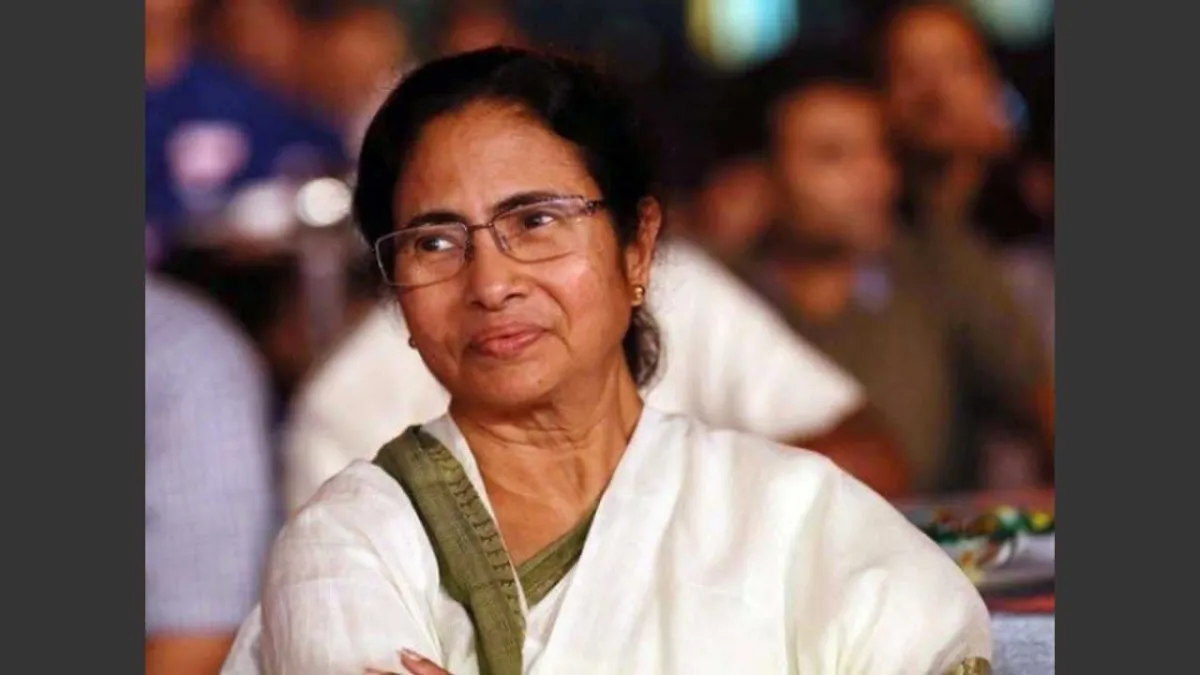
West Bengal is a culturally rich state in eastern India, known for its vibrant festivals, literature, and art. Historically, it was the center of British colonial power in India, with Kolkata serving as the capital of British India until 1911. The region also played a pivotal role in India
Kolkata
Kolkata, formerly known as Calcutta, is the capital of West Bengal, India, and served as the capital of British India until 1911. Founded in 1690 by the British East India Company, it grew into a major colonial port and cultural hub, playing a pivotal role in India’s independence movement. Today, it is renowned for its rich artistic heritage, historic architecture, and vibrant festivals like Durga Puja.
West Bengal
West Bengal, a state in eastern India, has a rich history as the center of British colonial power in India, with Kolkata (formerly Calcutta) serving as the capital of British India until 1911. The region was a major hub of the Indian independence movement and, after partition in 1947, became a state with a distinct cultural identity blending Bengali traditions, literature, and art. Today, it is known for its vibrant festivals, such as Durga Puja, and its diverse landscapes ranging from the Himalayan foothills to the Sundarbans mangrove forest.
Howrah Bridge
Howrah Bridge, officially renamed Rabindra Setu, is a iconic cantilever bridge spanning the Hooghly River in Kolkata, India. Completed in 1943 during World War II, it was built to replace a pontoon bridge and is notable for being constructed without a single nut or bolt, relying instead on riveted steel. As one of the busiest bridges in the world, it serves as a vital transportation link and a symbol of Kolkata’s industrial heritage.
Sundarbans
The Sundarbans is a vast mangrove forest delta spanning India and Bangladesh, recognized as a UNESCO World Heritage Site. It is the largest mangrove forest in the world and is famous for being the habitat of the Bengal tiger, as well as numerous other wildlife species. Historically, the area has been shaped by the Ganges-Brahmaputra river system and has been protected for centuries, with its modern conservation efforts beginning in the 19th century under British colonial rule.
Darjeeling
Darjeeling is a hill station in the Indian state of West Bengal, renowned for its tea plantations and stunning views of the Himalayan mountain range, including Mount Kanchenjunga. Originally a part of the Kingdom of Sikkim, it was developed by the British East India Company in the mid-19th century as a summer retreat and a center for tea cultivation. Today, it remains a popular tourist destination, famous for the Darjeeling Himalayan Railway, a UNESCO World Heritage site.
British India
“British India” refers to the period of British colonial rule on the Indian subcontinent from 1858 to 1947, following the dissolution of the British East India Company after the Indian Rebellion of 1857. During this time, the British Crown directly governed the region, implementing administrative, economic, and social changes that profoundly shaped modern India, Pakistan, and Bangladesh. The era ended with the Indian Independence Act of 1947, which partitioned the subcontinent into two independent dominions, India and Pakistan.
Bengal Renaissance
The Bengal Renaissance was a cultural, social, and intellectual reform movement that flourished in 19th and early 20th century Bengal, primarily centered in Calcutta. It marked a significant shift from medieval traditions to modern thought, spurred by British colonial influence and the rise of a new educated middle class. Key figures like Raja Ram Mohan Roy, Rabindranath Tagore, and Swami Vivekananda championed advancements in literature, science, religion, and social reform, leaving a lasting impact on Indian culture.
Mughal
The Mughal Empire was a powerful Islamic dynasty that ruled much of the Indian subcontinent from the early 16th to the mid-19th century, known for its remarkable cultural and architectural achievements. Founded by Babur in 1526, the empire reached its golden age under emperors like Akbar, Shah Jahan, and Aurangzeb, blending Persian, Indian, and Islamic influences. Iconic sites such as the Taj Mahal and Red Fort stand as enduring symbols of Mughal artistry and imperial legacy.