Workshops, Rallies, and Public Awareness Campaigns Organized to Raise Awareness About the Side Effects of Tobacco Use
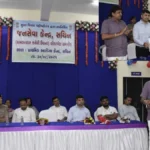
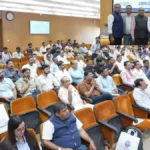
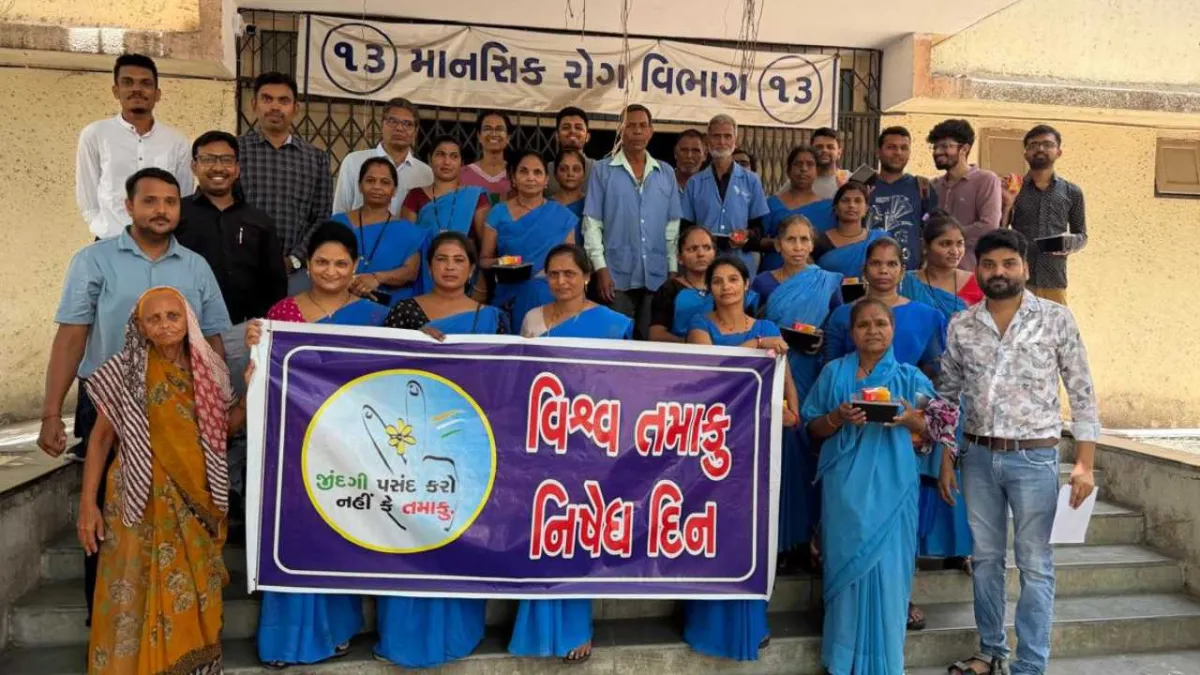
Surat. On the occasion of World No Tobacco Day, the main district-level program for Surat district was organized on May 31 at the Psychiatry Department of New Civil Hospital. The aim of the program was to raise awareness among people about the physical, mental, and social side effects of tobacco use.
The program was organized under the guidance of the Dean of Government Medical College, the Medical Superintendent, the Chief District Health Officer and the nodal officer of the District Tobacco Control Program. This campaign received inspiration and direction from the Epidemic Medical Officer.
On this occasion, a special workshop was organized for the staff working at Civil Hospital, providing information about the health risks and social impacts of tobacco use. The District Tobacco Control Cell also organized awareness programs in various taluka areas, primary health centers, and rural areas of the district.
Under the campaign, public awareness rallies, guidance sessions on the Tobacco Control Act (COTPA-2003), and special workshops were organized for staff, nursing students, ASHA workers, Anganwadi workers, and community leaders.
The tobacco control awareness campaign started at the Industrial Training Institute (ITI) in Umarpada taluka. Here, students were informed about avoiding the temptations of the tobacco industry and the dangers of passive smoking.
Health workers, nursing students, ASHA workers, and Anganwadi workers enthusiastically participated in the organized awareness rally. During the rally, people were motivated to adopt a substance-free and healthy life through slogans such as “One, two, three, four – leave tobacco and cigarettes, friend” and “Leave tobacco, leave cigarettes.”
In the program, the Epidemiologist provided detailed information about the diseases caused by tobacco use and the key provisions of the Tobacco Control Act (COTPA)-2003. Children also called on everyone to adopt a tobacco-free life by delivering the message “Choose life, not tobacco.”
The team of the District Tobacco Control Cell, resident doctors of the Psychiatry Department, health workers, and staff of taluka and primary health centers made significant contributions to making the program a success. At the end of the program, the District Counselor expressed gratitude to everyone.