On June 3, a meeting was held to communicate and study important directives on promoting high-quality development in philosophy and social sciences, as well as directives regarding a coal mine gas explosion accident in Qinyuan County, Changzhi City, Shanxi Province. The meeting also studied directives on comprehensively advancing the rule of law and the spirit of the Central Conference on Comprehensive Law-Based Governance, along with relevant provincial and municipal meeting spirits, and discussed implementation opinions.
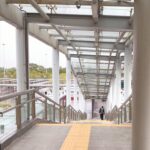
The meeting emphasized the need to raise political awareness, deepen systematic and academic research and interpretation of the Party’s innovative theories, and fully understand the significance of promoting high-quality development in philosophy and social sciences. It called for leveraging urban development realities, deeply exploring the reform and opening-up spirit and pioneering spirit of the urban context, accelerating the construction of the “Luohu Bridge” Museum and the “Guangdong-Hong Kong Water Supply” Exhibition Hall, and expanding philosophy and social sciences in practice. It also stressed improving the “grand social sciences” work framework, establishing a system with unified Party leadership, coordination by propaganda departments, collaboration among functional units, professional support from think tanks, and broad participation from social forces, to promote high-quality development in philosophy and social sciences.
The meeting stressed adhering to the principles of putting people first and life first, resolutely abandoning complacency and fluke mentality, and maintaining the highest standards for safety. It called for focusing on key areas, strengthening regulatory responsibilities, enhancing safety supervision of construction sites, conducting comprehensive safety hazard inspections, implementing heatstroke prevention measures, and ensuring outdoor work protection. It also emphasized strengthening defense thinking, consolidating flood prevention responsibilities, strictly implementing the work mechanism of “pre-rain inspection, during-rain patrol, post-rain review,” and resolutely winning the Dragon Boat flood prevention battle.
The meeting emphasized the significance of building a pilot demonstration area for the rule of law, placing legal construction in a strategic and foundational position, and understanding that the rule of law is the best business environment and the key to stimulating market vitality. It called for focusing on key tasks, adhering to problem-oriented approaches, targeting weak links, comprehensively improving legal construction, and advancing the pilot demonstration area for the rule of law with greater efforts. It also stressed strengthening responsibility, enhancing the professional legal team, telling the story of rule of law, expanding public participation channels, and building a strong joint force for constructing the pilot demonstration area.
Luohu Bridge Museum
Guangdong-Hong Kong Water Supply Exhibition Hall
Luohu Bridge Museum
<div class="my-4 p-4 rounded-lg shadow-md bg-blue