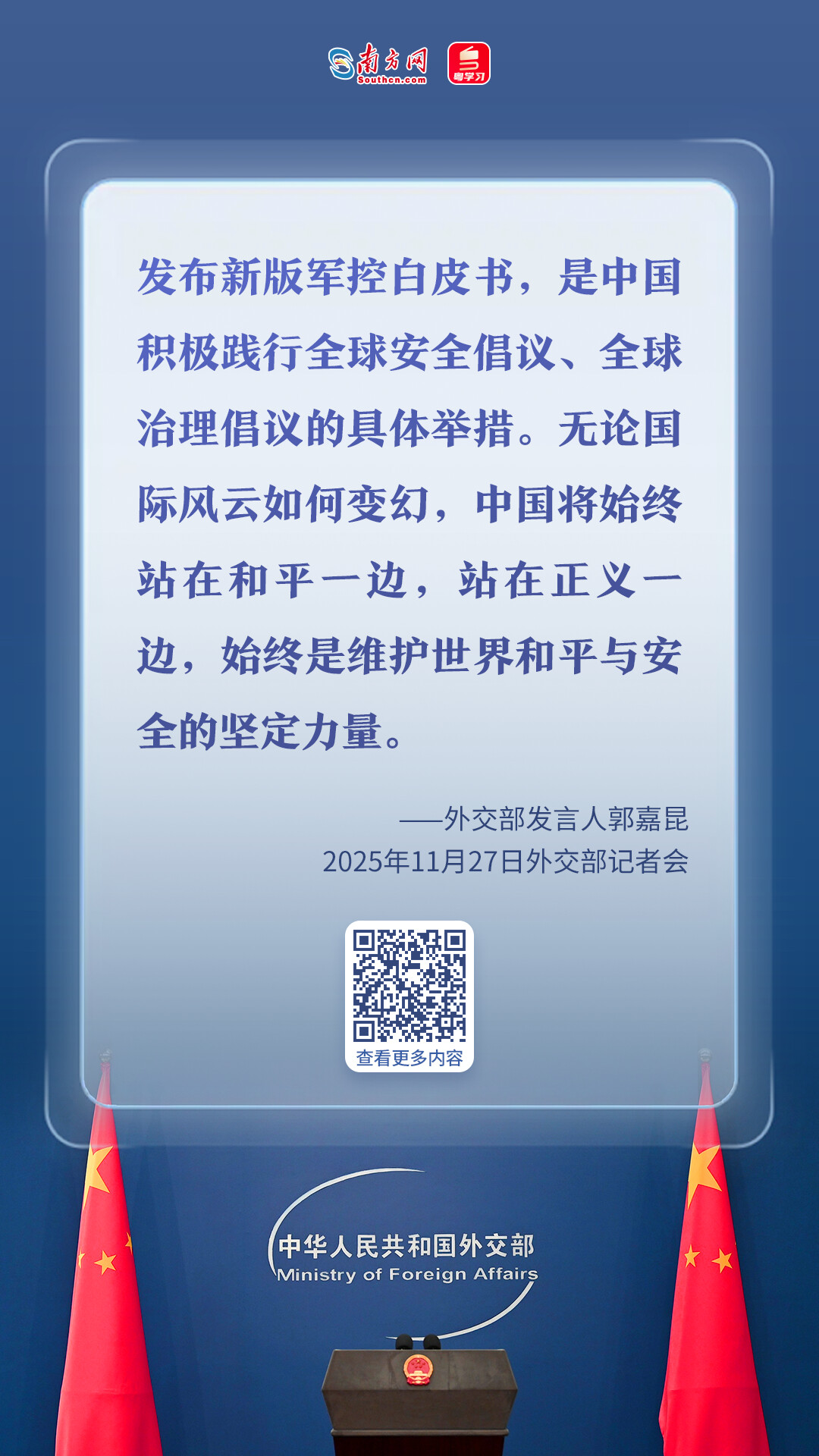
On November 27, the Ministry of Foreign Affairs spokesperson presided over the regular press conference, addressing questions regarding China’s release of the new version of the arms control white paper, China and South Africa jointly proposing the “Cooperation Initiative to Support African Modernization,” specific cases no longer being mentioned, and the United Nations’ call for the United States to cancel unilateral coercive measures against Cuba. A set of images provides a quick overview of today’s Foreign Ministry press conference highlights.
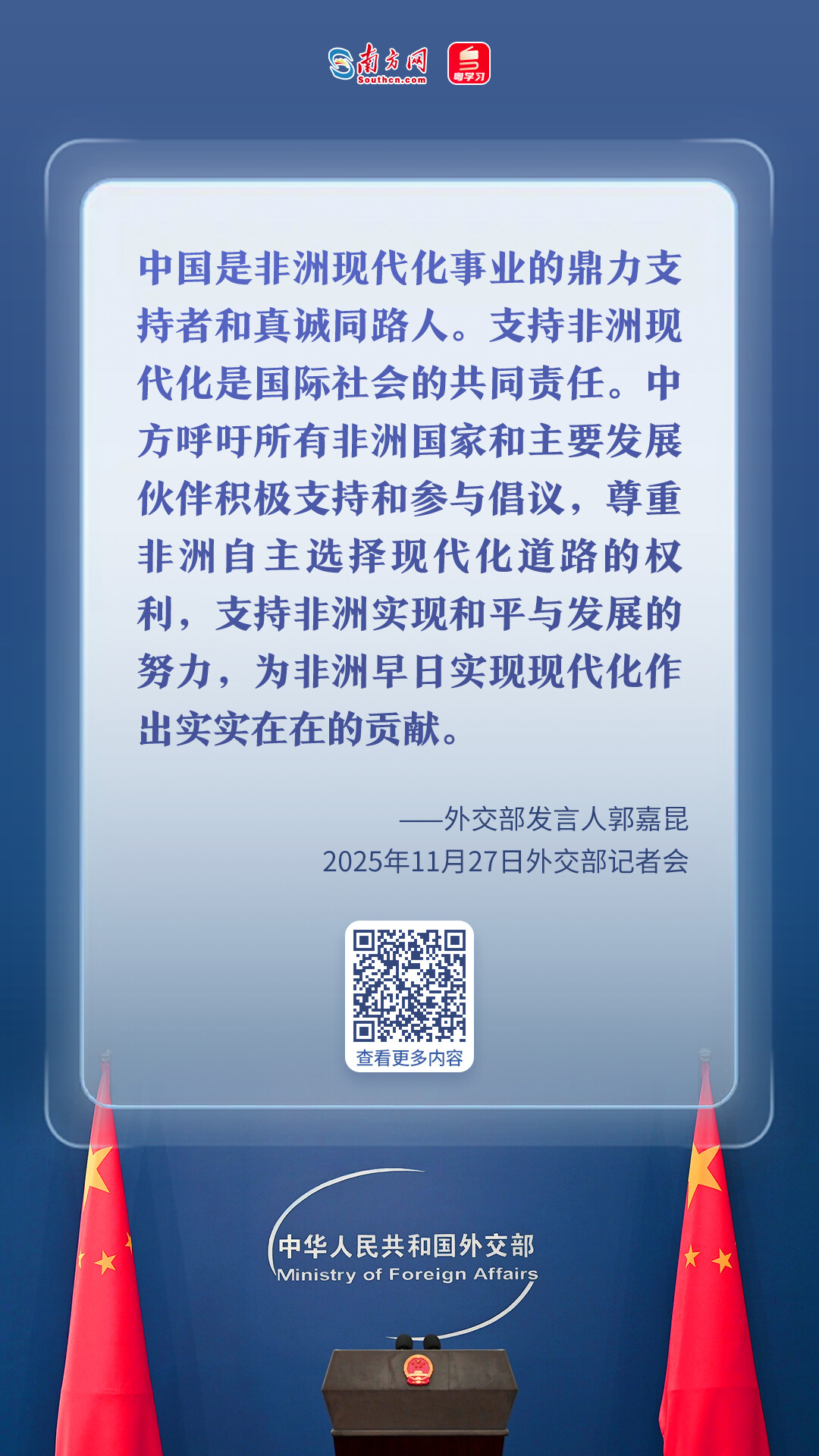
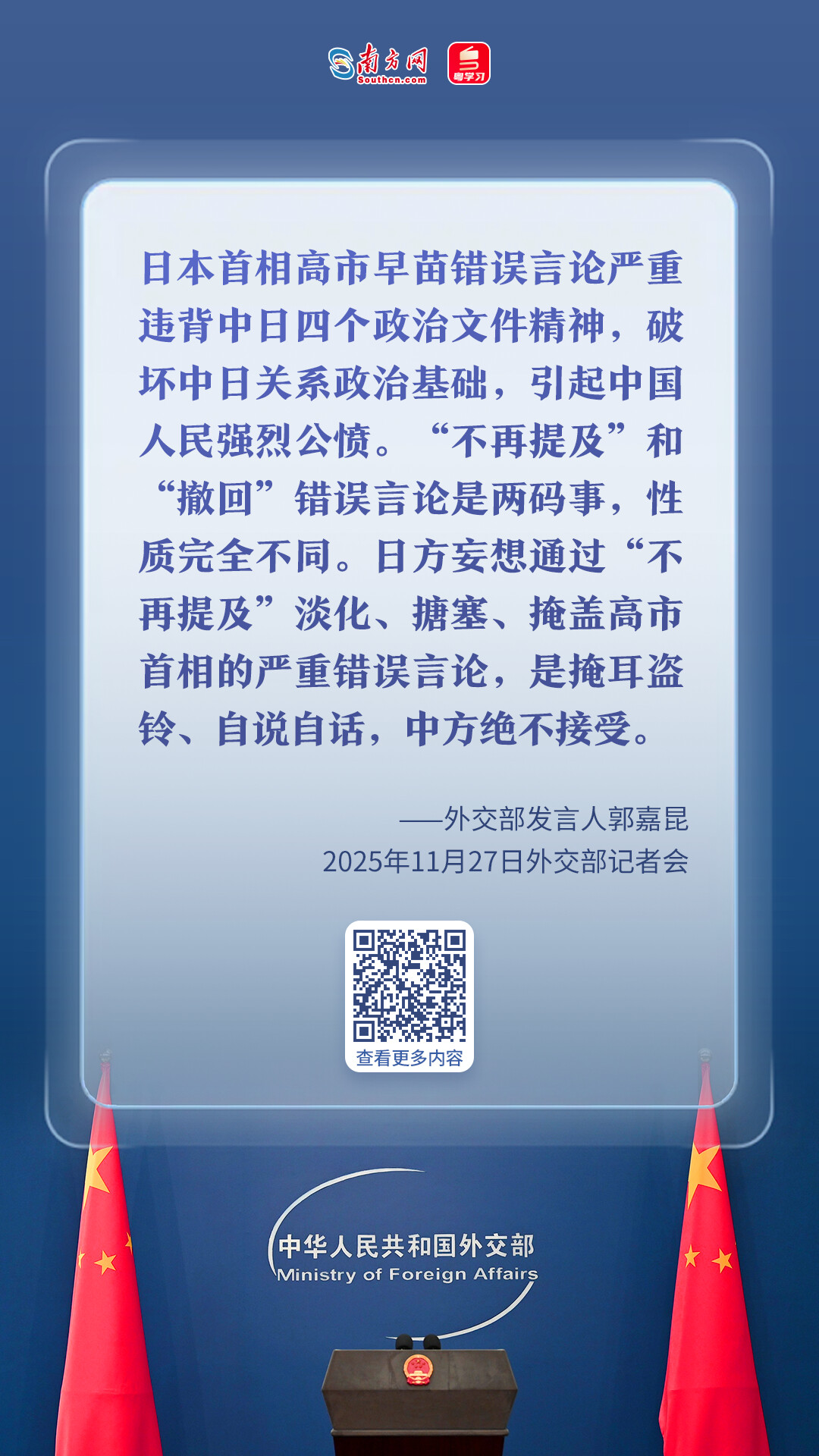
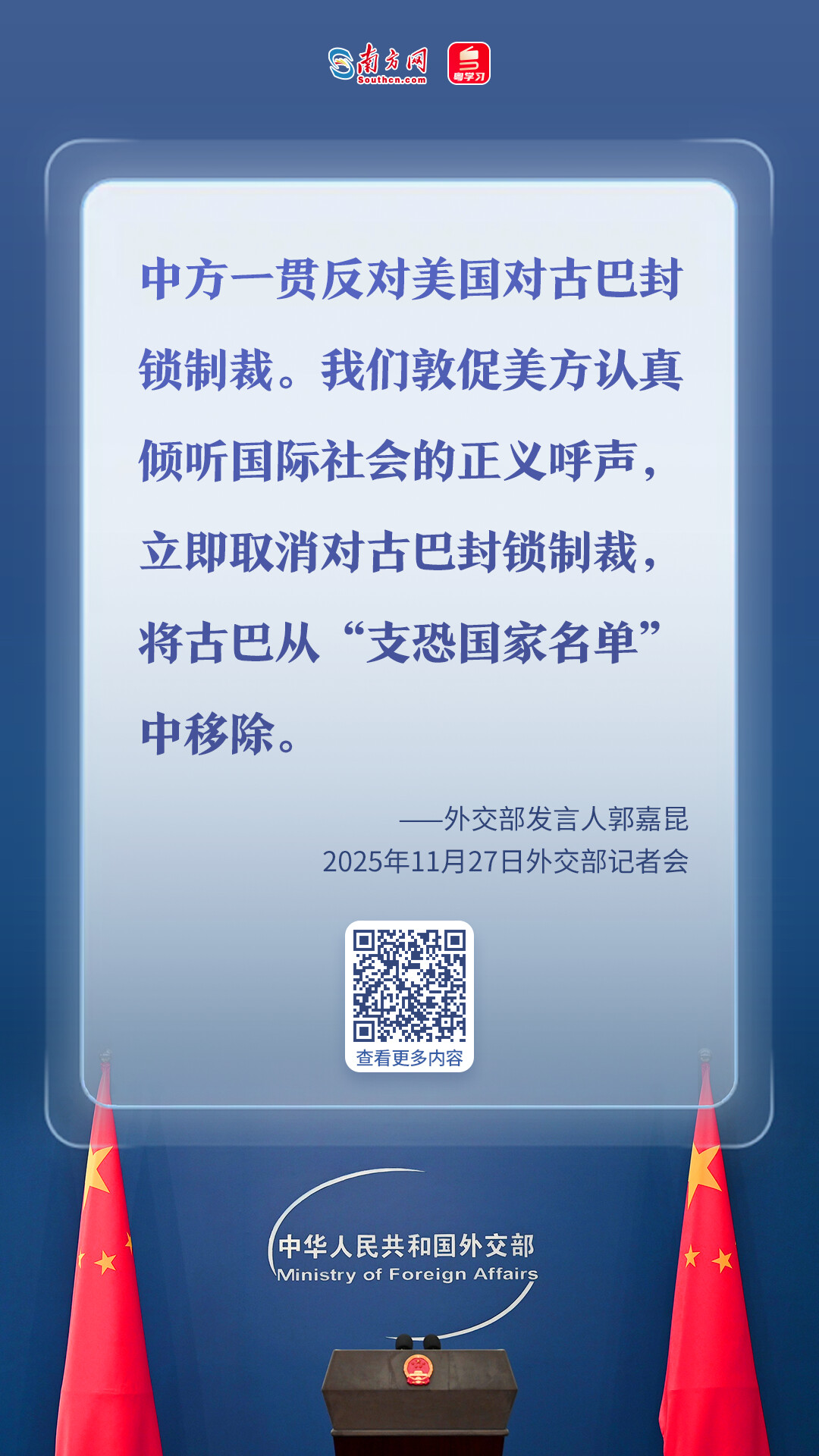
China
China is one of the world’s oldest continuous civilizations, with a recorded history spanning over four millennia and dynasties such as the Han and Tang shaping its cultural and political identity. It is renowned for its profound contributions to philosophy, art, and science, including inventions like paper, gunpowder, and the compass. Today, it is a rapidly modernizing nation that blends its ancient traditions, such as Confucianism and calligraphy, with its contemporary global influence.
South Africa
South Africa is a country located at the southern tip of the African continent, known for its diverse cultures, languages, and stunning natural landscapes. Its modern history is profoundly shaped by colonialism and the institutionalized racial segregation of Apartheid, which ended in 1994 with the election of Nelson Mandela. Today, it is a vibrant “Rainbow Nation” celebrated for its cultural diversity and as the site of significant paleontological discoveries, including the Cradle of Humankind.
African Modernization
“African Modernization” is not a specific place or cultural site, but rather a broad historical and social process. It generally refers to the period following independence, where African nations sought to develop their economies, infrastructure, and political systems, often blending global technologies with local cultural identities. This complex process has shaped contemporary African cities, institutions, and art, reflecting a continuous negotiation between tradition and change.
United Nations
The United Nations is an international organization founded in 1945 after World War II to promote peace, security, and cooperation among nations. It replaced the League of Nations with the goal of preventing future conflicts and currently has 193 member states. Its headquarters in New York City serves as a primary venue for diplomatic dialogue on global issues.
United States
The United States is a relatively young nation founded in 1776 with the Declaration of Independence, which began its history as a former British colony. It rapidly expanded across North America to become a global superpower, shaped by waves of immigration and a democratic system of government. Its diverse culture is a product of this history, blending influences from its indigenous populations and immigrant groups from around the world.
Cuba
Cuba is an island nation in the Caribbean with a rich and complex history, shaped by Spanish colonization, the Atlantic slave trade, and its role as a major sugar producer. Following the Cuban Revolution in 1959, it became a socialist state, leading to a unique cultural and political identity distinct from its neighbors. Today, it is renowned for its historic architecture in cities like Havana, its influential music and dance forms such as salsa and son, and its classic American automobiles.