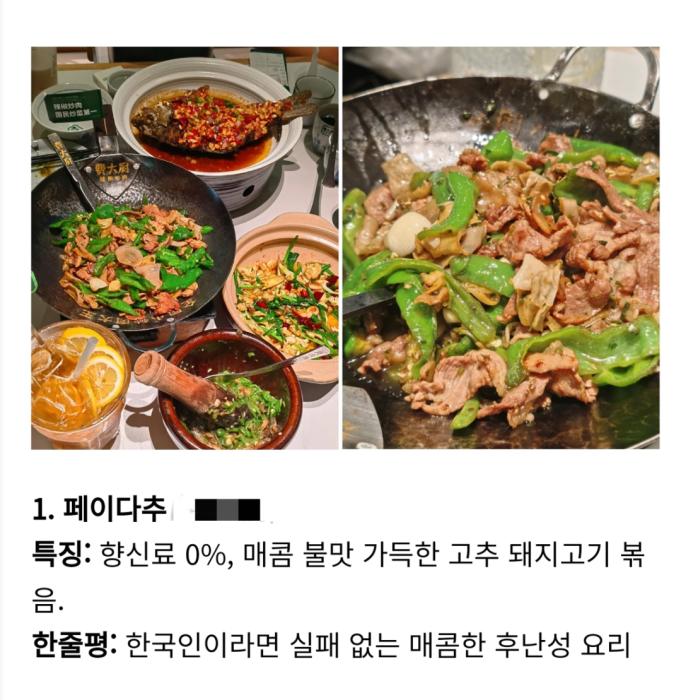
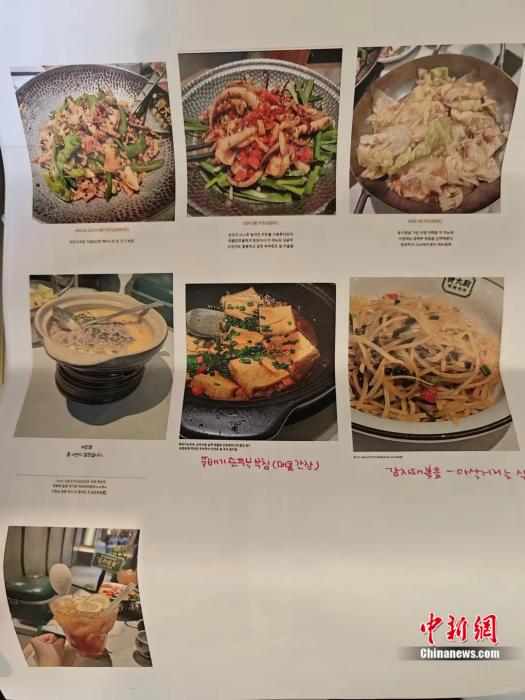
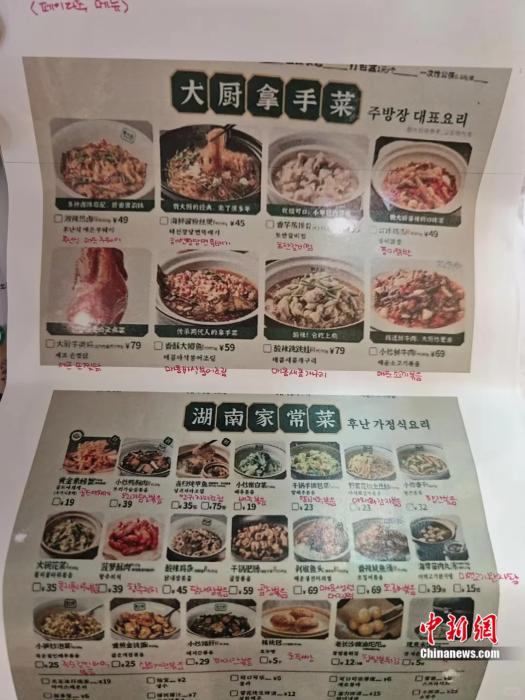
Top Korean star waited in line in Shanghai for stir-fried pork with peppers—why can’t Koreans get enough of it?
Among Korean tourists visiting Shanghai, the phrase “go to China after work on Friday” has gained a new must-do activity: eating a plate of wok-fried chili pepper with pork.
There is even a saying online: “Koreans treat coming to China to queue for chili pepper with pork as a form of mental relaxation.” Is this really the case?
If you ask when chili pepper with pork started becoming popular among Korean tourists, credit goes to a top Korean star, Park Bo-gum.
On the evening of April 14, 2026, on the fifth floor of the Jing’an Temple Crystal Plaza shopping mall in Shanghai, a tall young man wearing sunglasses stood in front of a Hunan restaurant’s menu for nearly two minutes. He was accompanied by only one friend, with no agent or translator, blending in with the ordinary diners waiting in line around him.
People quickly recognized this young man quietly eating in a Shanghai Hunan restaurant as top Korean actor Park Bo-gum. His private trip, without official announcements or security escorts, unexpectedly made the term “chili pepper with pork” go viral on social media in both China and Korea.
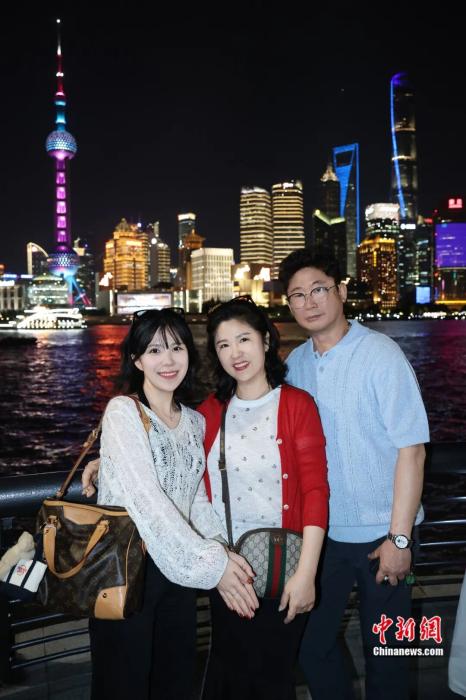
Some netizens even summarized the “new three must-dos for Koreans visiting Shanghai”: the Bund, Wukang Road, and then chili pepper with pork.
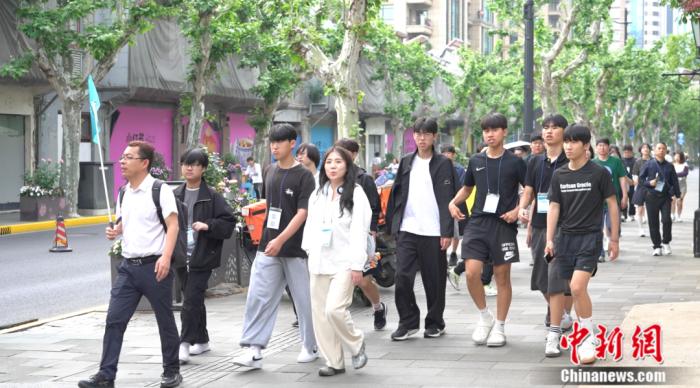
Korean tourists on the street
The two minutes Park Bo-gum spent carefully reading the menu at the restaurant entrance inadvertently became the most vivid snapshot of China’s inbound tourism boom.
The visa-free policy was the most direct catalyst for this surge. In November 2024, China first implemented a trial visa-free entry policy for South Korean ordinary passport holders, and “go to China after work on Friday” quickly topped Korean social media trends.
Subsequently, the policy was further optimized, extending the visa-free stay to 30 days and extending it until December 31, 2026. This suddenly opened “door” made “deciding on a whim to go to Shanghai” a popular travel mode among young Koreans.
Data from South Korea’s Ministry of Justice earlier showed that in January 2026, about 303,000 Koreans visited China, a 48.1% increase year-on-year. Data from flight search platform Skyscanner was even more striking: after the visa-free policy, Korean users’ searches for Shanghai increased by 161% year-on-year. Flying to Shanghai after work on Friday and returning on Sunday became a new weekend leisure trend for young Koreans, with “weekend Shanghai trip” rising as a hot topic on social media.
Korean tourists taking a group photo at the Bund
This “spur-of-the-moment” travel, sparked by relaxed visa policies, is reshaping Koreans’ perceptions and consumption habits regarding Chinese cities. And the unexpected popularity of chili pepper with pork is precisely the most vivid footnote to this trend.
In Korean food culture, spiciness has always held an important place, but the “spiciness” of Chinese Hunan cuisine is a system of
<div class="my
Jing’an Temple Crystal Plaza
Jing’an Temple Crystal Plaza is a modern commercial complex located in the heart of Shanghai, adjacent to the historic Jing’an Temple. Its name derives from the iconic glass-and-steel structure that houses a shopping mall and office space, symbolizing Shanghai’s blend of tradition and modernity. The plaza was developed in the early 2000s as part of the city’s urban renewal, transforming the area around the ancient Buddhist temple into a bustling hub of commerce and culture.
Shanghai
Shanghai is a major global financial hub and one of China’s most populous cities, with a history as a key trading port that flourished during the 19th and early 20th centuries under foreign influence. It played a pivotal role in China’s modern development, serving as a center for commerce, culture, and revolutionary activity, including the founding of the Chinese Communist Party in 1921. Today, Shanghai is renowned for its iconic skyline, blending historic landmarks like the Bund with futuristic skyscrapers in the Pudong district.
Hunan restaurant
The Hunan restaurant is a culinary establishment specializing in Xiang cuisine, which originates from China’s Hunan Province and is known for its bold, spicy, and savory flavors. Historically, Hunan cuisine evolved over centuries, influenced by the region’s humid climate and abundant agriculture, and gained recognition during the Qing dynasty. Modern Hunan restaurants around the world celebrate this tradition, offering dishes like steamed fish head with chili and spicy stir-fried meats.
the Bund
The Bund is a famous waterfront promenade in Shanghai, China, lined with historic buildings that showcase a mix of architectural styles, including Art Deco, Gothic, and Neoclassical. Originally developed in the 19th and early 20th centuries as a financial and trading hub during Shanghai’s colonial era, it served as a symbol of the city’s international commerce. Today, the Bund remains a popular tourist destination, offering stunning views of the modern Pudong skyline across the Huangpu River.
Wukang Road
Wukang Road is a historic and picturesque street in Shanghai’s former French Concession, known for its tree-lined avenues and well-preserved European-style architecture. Originally named Route Ferguson after a British missionary, it was developed in the early 20th century and became a fashionable residential area for expatriates and wealthy Chinese. Today, it is a popular cultural destination, featuring landmarks like the iconic Wukang Mansion and numerous boutique cafes, shops, and galleries.
China
China is one of the world’s oldest continuous civilizations, with a recorded history spanning over 3,500 years. It was unified under the first emperor, Qin Shi Huang, in 221 BCE, and later became a center of innovation, giving rise to the Four Great Inventions: paper, printing, gunpowder, and the compass. Today, China is known for its rich cultural heritage, including iconic sites like the Great Wall and the Forbidden City, as well as its rapid modern development.
South Korea
South Korea is a vibrant East Asian nation known for its dynamic blend of ancient traditions and cutting-edge modernity. Its history spans thousands of years, from the Three Kingdoms period to the Joseon Dynasty, followed by Japanese colonization and the 1950-1953 Korean War, which divided the peninsula. Today, it is a global leader in technology, pop culture, and cuisine, while preserving historic landmarks like Gyeongbokgung Palace and the Buddhist temples of Gyeongju.