-
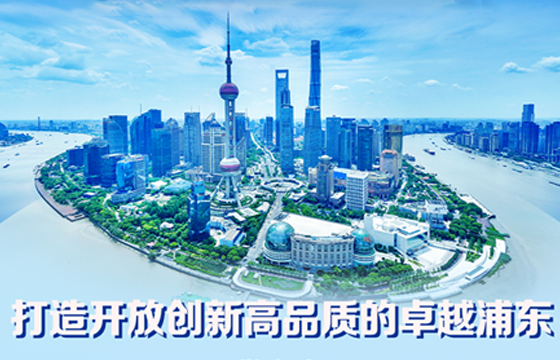
This year marks the 35th anniversary of Pudong’s development and opening-up, the 5th anniversary of President Xi Jinping’s important speech at the 30th anniversary celebration of Pudong’s development and opening-up, and the final year of the 14th Five-Year Plan. Pudong’s development and opening-up is a cross-century national strategy made by the Party Central Committee. Under the gracious care of the Party Central Committee, the strong leadership of the municipal party committee and government, and with extensive support from all sides, Pudong has persisted in daring to explore and pilot initiatives, acting as a pioneer in reform and opening-up and a frontrunner in innovative development. From a farmland, it has built a modern new city with concentrated functions, complete elements, and advanced facilities. In 2024, its GDP reached 1.78 trillion yuan, and per capita GDP reached 43,100 US dollars. With 1/8000 of the national area, it contributes 1/76 of the national GDP and 1/17 of the total import and export volume, providing the most vivid real-world evidence of the advantages of the socialist system with Chinese characteristics…
-
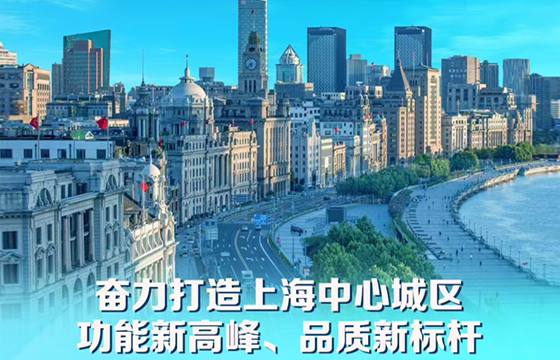
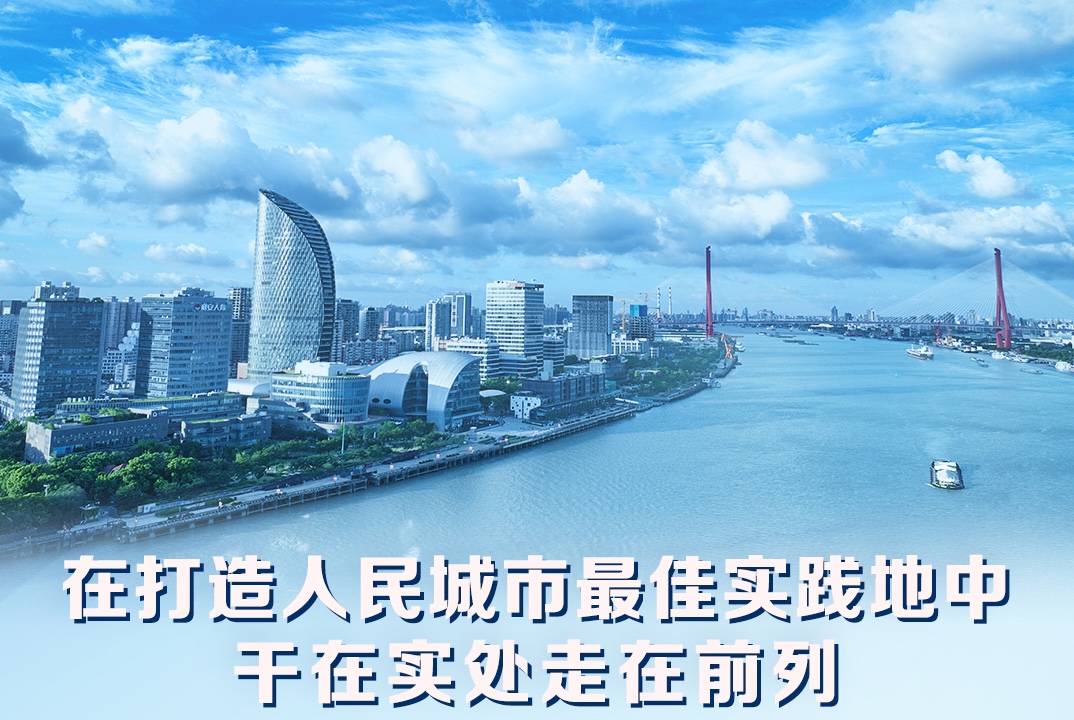
Huangpu District is the center of Shanghai’s economy, administration, and culture. During his work in Shanghai, President Xi Jinping positioned Huangpu as the “heart, window, and business card” of the city. Since the 14th Five-Year Plan, Huangpu has focused on the goal of building a core leading area and the development mainline of “new functional heights and new quality benchmarks,” fully promoting high-quality development, creating high-quality life, and achieving efficient governance. The district’s development capacity and comprehensive competitiveness have steadily improved. By the end of 2024, Huangpu’s GDP reached 334.4 billion yuan, with an average annual comparable growth of about 4.5% in the first four years of the 14th Five-Year Plan. The regional economic density reached 16.3 billion yuan per square kilometer, ranking first in the city and among the top in the country. The district-level general public budget revenue reached 29.9 billion yuan, with an average annual growth rate of over 6%…
-
-
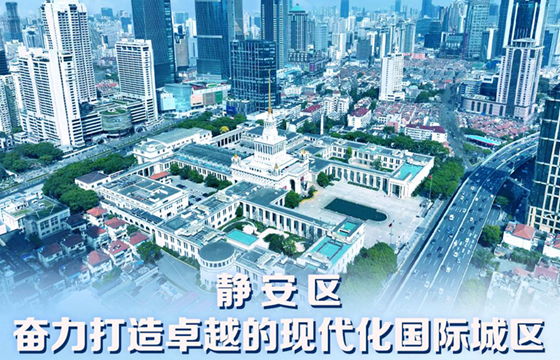
Jing’an, as the core area of Shanghai’s central city, has a high degree of internationalization, a concentration of high-end elements, and a developed service economy, consistently leading the city’s regional economic and social development. The 14th Five-Year Plan period has been an extraordinary five years for Jing’an’s development. Following the requirements of the municipal party committee and government, Jing’an has focused on the goal of “accelerating the construction of an excellent modern international urban area,” coordinating high-quality development, high-level reform and opening-up, high-quality life, and efficient governance, striving to create an urban model of Chinese-style modernization…
-
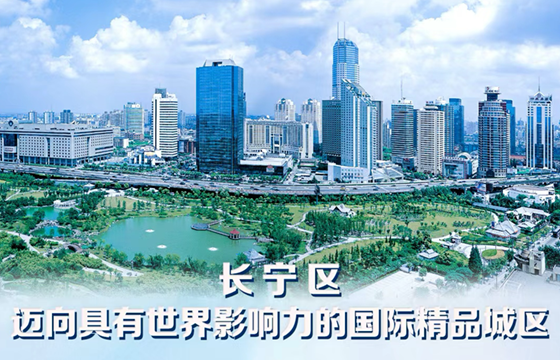
Changning is an important gateway for Shanghai connecting the Yangtze River Delta and facing the world, with prominent geographical advantages, significant digital characteristics, and a distinct open nature. Since the 14th Five-Year Plan, Changning has focused on accelerating the construction of an internationally influential boutique urban area, firmly grasping the strategic opportunities of “Greater Hongqiao” and “digitalization,” persistently pursuing development, reform, benefiting people’s livelihood, and optimizing governance, driving new improvements in urban capacity and core competitiveness, and presenting a new look in people’s city construction. In 2024, Changning’s GDP reached 278.9 billion yuan, 1.8 times that of 2020, with an average growth rate of 7.8% in the first four years of the 14th Five-Year Plan. The district-level general public budget revenue reached 18 billion yuan, with an average annual growth rate of 8.8%. The district’s economic and social development has achieved positive results, mainly reflected in six aspects…
-
Persist in prioritizing liv
Pudong
Pudong is a major financial and commercial district in Shanghai, China, located on the eastern side of the Huangpu River. Historically a rural area of farmland and small villages, it underwent rapid transformation beginning in the 1990s, when the Chinese government designated it as a special economic zone to attract foreign investment. Today, Pudong is famous for its iconic modern skyline, including landmarks like the Oriental Pearl Tower and the Shanghai Tower, symbolizing China’s economic rise.Huangpu District
Huangpu District is the historic and commercial heart of Shanghai, China, home to iconic landmarks like the Bund and the Old City. Its history dates back to the Ming Dynasty, but it became a major hub during the 19th and early 20th centuries as the center of Shanghai’s foreign concessions. Today, it blends colonial-era architecture with modern skyscrapers, serving as a vibrant symbol of the city’s past and present.Jing’an
Jing’an is a prominent district in central Shanghai, China, named after the Jing’an Temple, a historic Buddhist temple first built in 247 AD during the Three Kingdoms period. The area has evolved from a quiet suburban temple site into a bustling commercial and cultural hub, blending ancient heritage with modern skyscrapers and luxury shopping. Today, Jing’an is known for its vibrant streets, including Nanjing Road West, and serves as a symbol of Shanghai’s dynamic fusion of tradition and contemporary life.Changning
Changning, located in Sichuan Province, China, is a county known for its long history and rich bamboo culture, often called the “Bamboo Sea.” Its history dates back over 2,000 years, and it is famous for the Shu Nan Bamboo Sea, a vast scenic area of bamboo forests that has become a major tourist attraction. The region also played a role in ancient trade routes and is celebrated for its traditional bamboo crafts and local cuisine.