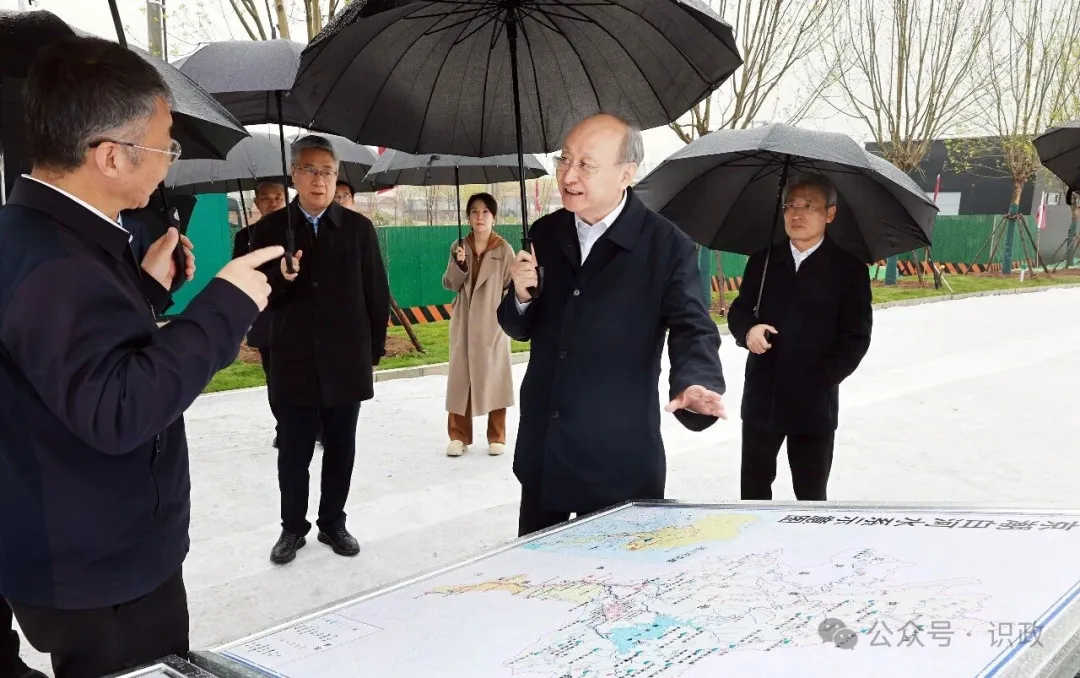
Yin Li visited mountainous villages, reservoirs, and river channels in Huairou and Miyun districts to conduct pre-flood season research and inspections.
In recent days, Party Secretary Yin Li visited Huairou District and Miyun District to conduct pre-flood season inspections and research on strengthening urban and rural grassroots disaster prevention, mitigation, and emergency response capabilities. He emphasized the need to thoroughly implement the important directives of General Secretary Xi Jinping on flood prevention and disaster relief, always keep safety in mind, and meticulously prepare all flood control measures to ensure the safety of people’s lives and property. This year marks the beginning of the 15th Five-Year Plan, and we must ensure the smooth completion of annual goals with high-level security, making flood prevention work particularly important.
Yin Li went to Huairou District and conducted flood prevention inspections along the Huai River, Sha River, and Liuli River. He visited the Huai River comprehensive management project site, Qian’anling Village in Liulimiao Town, Duanshuling Village in Huaibei Town, and the Beijing Fire Rescue Mobile Detachment stationed in Liulimiao Town. He inspected the repair of flood-damaged roads, the construction of dual-use highland fortifications and emergency evacuation functions, emergency plan development, temporary shelter locations, flood prevention material reserves, and emergency rescue force deployment. He also visited villagers’ homes to learn about post-disaster recovery and their knowledge of emergency evacuation.
He stated that ensuring the safety of the public is the top priority in flood prevention. He emphasized strengthening the construction of emergency evacuation facilities based on the actual conditions of each village, scientifically equipping flood prevention materials according to practical, effective, and user-friendly principles, and refining emergency plans. Upstream and downstream villages should enhance information sharing
Huairou District
Huairou District is a suburban area in northern Beijing, China, known for its scenic landscapes and historical significance. It is home to a section of the Great Wall of China, including the well-preserved Mutianyu and Jiankou segments, which date back to the Ming Dynasty. In modern times, Huairou gained international attention as the site of the 2014 APEC summit, held at the Yanqi Lake area.
Miyun District
Miyun District is a suburban area in northeastern Beijing, China, known for its natural scenery and the Miyun Reservoir, a major water source for the capital. Historically, it was a strategic military outpost during the Ming Dynasty, with remnants like the Gubeikou Great Wall section showcasing its defensive importance. Today, it blends historical sites with tourism, offering attractions like the Miyun Great Wall and various eco-parks.
Chaobai River
The Chaobai River is an important waterway in northern China, flowing through Hebei Province and Beijing before joining the Hai River system. Historically, it played a key role in irrigation and flood control, and its name derives from the two major tributaries, the Chao and Bai Rivers, which merge to form it. Today, the river is also known for its scenic areas and ecological restoration projects in the region.
Huai River
The Huai River is a major waterway in eastern China, historically significant as a natural boundary between northern and southern China. It has been prone to severe flooding due to its unstable course and silt buildup, leading to extensive engineering projects over centuries. Today, the river remains vital for agriculture, transportation, and regional ecology.
Sha River
The Sha River, also known as the Shaying River, is a major tributary of the Huai River in central China, flowing through Henan and Anhui provinces. Historically, it played a vital role in ancient water transport and irrigation, supporting agricultural development in the region. Today, the river is recognized for its cultural significance and ongoing environmental restoration efforts to address pollution and improve water quality.
Liuli River
The Liuli River, located in the southern outskirts of Beijing, China, is historically renowned for its association with the production of high-quality glazed tiles (liuli) used in imperial architecture, particularly during the Ming and Qing dynasties. The area housed official kilns that supplied materials for iconic structures like the Forbidden City and the Temple of Heaven. Today, it retains cultural significance as a symbol of traditional Chinese craftsmanship and a site for preserving ancient tile-making techniques.
Qian’anling Village
Qian’anling Village is a historic settlement in China, known for its well-preserved traditional architecture and cultural heritage. The village dates back to the Ming and Qing dynasties, featuring ancient stone pathways, ancestral halls, and residential compounds that reflect the region’s rich history. It serves as a living example of rural Chinese life, attracting visitors interested in exploring its centuries-old customs and architectural styles.
Duanshuling Village
Duanshuling Village is a historic settlement located in the mountainous region of Zhejiang Province, China, known for its well-preserved traditional architecture and ancient stone pathways. The village dates back several centuries, with its layout and buildings reflecting the unique cultural heritage of the Huizhou-style dwellings. It serves as a testament to rural life in imperial China, offering insight into the region’s historical development and local customs.